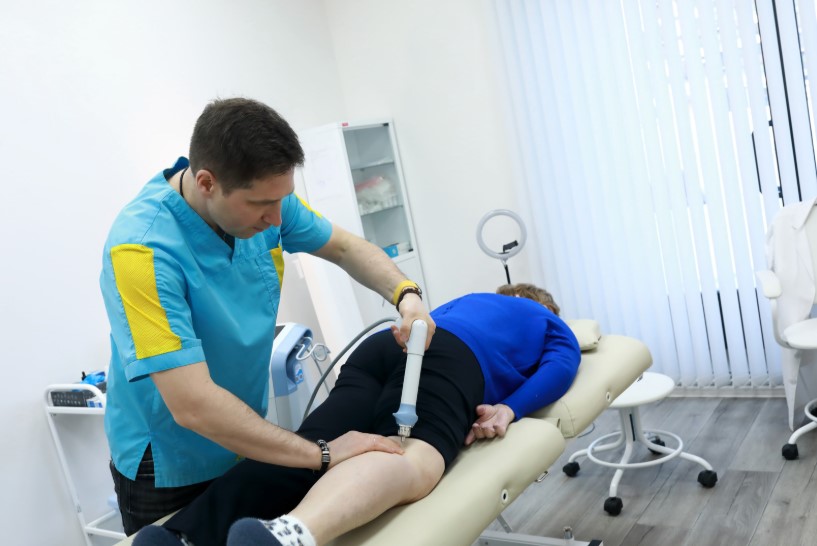
Chronic tendon and soft tissue pain can be debilitating, affecting daily activities and overall quality of life. Many individuals struggle with persistent pain from conditions like tendinitis, plantar fasciitis, or rotator cuff injuries. Shockwave Therapy has emerged as a highly effective, non-invasive solution for managing these chronic conditions. Patients seeking reliable, professional care often turn to Osteopractic Physical Therapy of Central Indiana, recognized for its expertise in administering Shockwave Therapy safely and effectively.
What is Shockwave Therapy?
Shockwave Therapy is a non-invasive treatment that uses high-energy sound waves to stimulate healing in injured tendons and soft tissues. Also known as Extracorporeal Shockwave Therapy (ESWT), this approach encourages blood flow, collagen production, and tissue regeneration at the affected site. Unlike medications or invasive procedures, Shockwave Therapy targets the root cause of chronic pain, promoting natural recovery without surgery or injections. Osteopractic Physical Therapy of Central Indiana specializes in applying this treatment with precision, ensuring optimal results for every patient.
Conditions Treated by Shockwave Therapy
Shockwave Therapy effectively treats a wide range of chronic tendon and soft tissue conditions. Common tendon injuries include Achilles tendinitis, patellar tendinitis, rotator cuff injuries, and elbow tendinopathies such as tennis elbow or golfer’s elbow. Soft tissue disorders, including plantar fasciitis, calcific shoulder tendinopathy, and myofascial pain, also respond well to treatment. Patients who have experienced limited success with conventional therapies often find relief with Shockwave Therapy. Osteopractic Physical Therapy of Central Indiana tailors treatment plans to each condition, ensuring personalized and effective care.
How Shockwave Therapy Works
The healing mechanism behind Shockwave Therapy involves delivering high-energy acoustic waves to the damaged tissue. These waves promote microcirculation, stimulate collagen synthesis, and break down calcium deposits that may hinder recovery. Additionally, Shockwave Therapy reduces inflammation and alleviates pain, facilitating faster functional improvement. During a typical session, patients may feel mild pulses or pressure in the treated area. Most treatments last 15 to 30 minutes, and a series of sessions is often recommended to achieve maximum benefit. Osteopractic Physical Therapy of Central Indiana provides detailed guidance throughout the process, ensuring patient comfort and safety.
Benefits of Shockwave Therapy
One of the major advantages of Shockwave Therapy is its non-surgical nature. Patients can experience significant pain relief and tissue healing without undergoing invasive procedures. Recovery times are generally shorter than with traditional treatments, allowing individuals to resume daily activities and sports more quickly. Shockwave Therapy can be combined with physical therapy or rehabilitation programs to further enhance results. Minimal side effects, such as temporary soreness or redness, make it a safe and practical option for long-term tendon and soft tissue health. Patients seeking reliable outcomes frequently choose Osteopractic Physical Therapy of Central Indiana for their comprehensive care approach.
Who Can Benefit from Shockwave Therapy?
Shockwave Therapy is suitable for athletes, active adults, and anyone suffering from chronic tendon or soft tissue pain that has not responded to conventional treatments. It is particularly effective for individuals with persistent tendinitis, plantar fasciitis, or shoulder and elbow injuries. However, it may not be recommended for people who are pregnant, have blood disorders, or have infections or tumors in the treatment area. Osteopractic Physical Therapy of Central Indiana conducts thorough assessments to determine candidacy and ensures that each patient receives safe and effective treatment.
What to Expect During and After Treatment
A typical Shockwave Therapy session begins with a consultation to assess the affected area and discuss treatment goals. The therapist then applies targeted acoustic waves to the injured tissue, usually lasting 15–30 minutes. Patients may experience a tingling or pulsing sensation during the procedure, which is generally well-tolerated. After treatment, mild soreness or redness may occur, but normal activities can usually resume immediately. Most patients begin to notice improvement after several sessions. Osteopractic Physical Therapy of Central Indiana provides ongoing support and guidance to optimize recovery and prevent re-injury.
Shockwave Therapy vs. Traditional Treatments
Traditional treatments for chronic tendon and soft tissue pain include anti-inflammatory medications, cortisone injections, surgery, and conventional physical therapy. While these approaches can provide temporary relief, Shockwave Therapy addresses the underlying causes of pain by promoting natural tissue regeneration. Unlike surgery, it is non-invasive and carries a lower risk of complications. Compared to medications, Shockwave Therapy does not involve systemic side effects and provides longer-lasting results. Osteopractic Physical Therapy of Central Indiana emphasizes a holistic approach, combining Shockwave Therapy with functional rehabilitation to achieve sustainable pain relief.
Takeaway
Shockwave Therapy provides an effective, non-invasive solution for chronic tendon and soft tissue pain. By promoting natural healing and improving function, it offers lasting relief without surgery or prolonged downtime. Patients seeking professional care should consider Osteopractic Physical Therapy of Central Indiana, a trusted provider known for expertise in Shockwave Therapy and personalized treatment plans. Early intervention and proper guidance can help restore mobility, reduce pain, and enhance overall quality of life.
FAQ
Does Shockwave Therapy hurt?
Most patients feel a mild tingling or pulsing sensation during treatment. Discomfort is generally minimal and temporary.
How many sessions are needed?
A series of 3–6 sessions is typical, depending on the severity of the condition and response to therapy.
Is Shockwave Therapy safe for everyone?
It is safe for most adults but may not be suitable for those who are pregnant, have blood disorders, or have infections or tumors in the treated area.
How long until I see results?
Some patients notice improvement after 2–3 sessions, while full benefits often appear after completing the recommended treatment plan.
Can Shockwave Therapy prevent surgery?
Yes, many patients who have not responded to conventional treatments find relief with Shockwave Therapy, reducing or eliminating the need for surgical intervention.