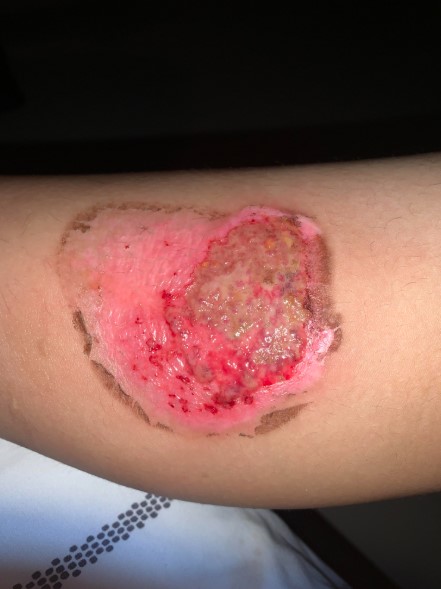
Pressure sores, also known as bedsores or pressure ulcers, are injuries to the skin and underlying tissue caused by prolonged pressure. These wounds often occur in individuals who are bedridden, use wheelchairs, or have limited mobility. Effective management is essential to prevent infection, promote healing, and avoid long-term complications. Comparing pressure sore treatment in a professional setting versus home care can help patients and caregivers make informed decisions.
What Are Pressure Sores?
Pressure sores develop when constant pressure cuts off blood flow to the skin and tissues. This lack of circulation can cause skin breakdown, tissue damage, and sometimes infection. Common risk factors include immobility, advanced age, poor nutrition, and medical conditions like diabetes. Pressure sores most often appear on bony areas such as the heels, hips, lower back, and tailbone. Early recognition and care are crucial for effective pressure sore treatment.
Home Care for Pressure Sores
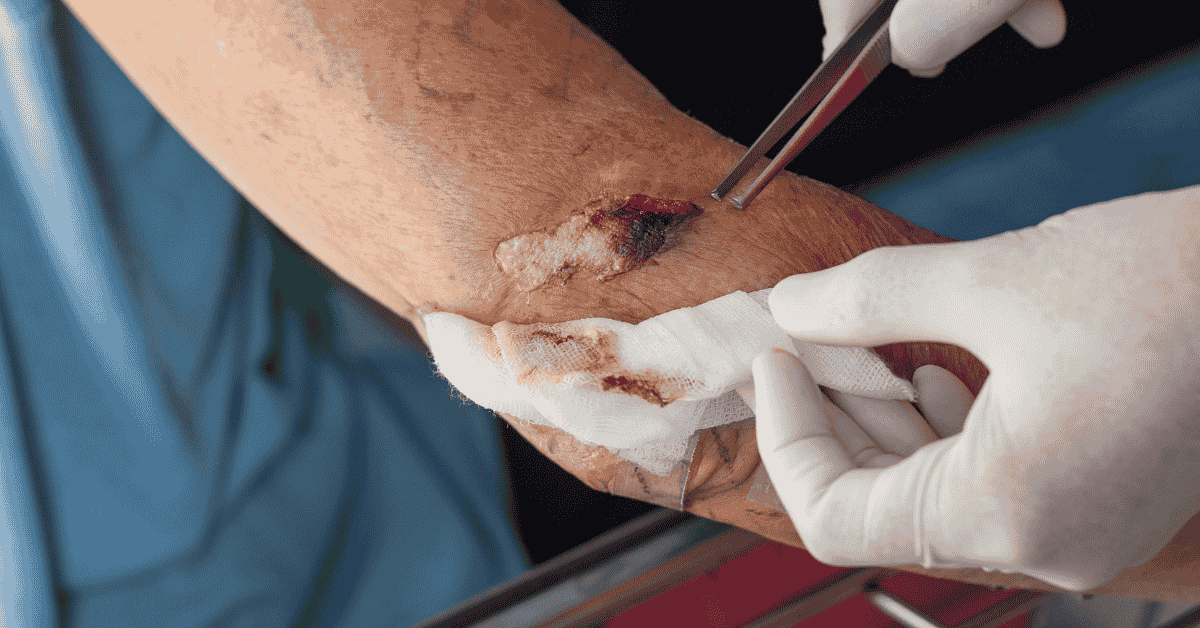
Home care for pressure sores can involve several strategies aimed at reducing pressure, maintaining hygiene, and supporting skin health. Caregivers often reposition patients regularly, use soft cushions or mattresses, and maintain proper nutrition and hydration. Basic wound care includes cleaning the area, applying dressings, and monitoring for signs of infection.
The advantages of home care include comfort, convenience, and cost savings. Patients may feel safer in familiar surroundings, and caregivers can provide consistent support. However, there are significant limitations. Home care may not provide the expertise needed for deep or infected wounds, potentially slowing recovery. Improper wound management at home increases the risk of complications, including severe infections.
Professional Pressure Sore Treatment
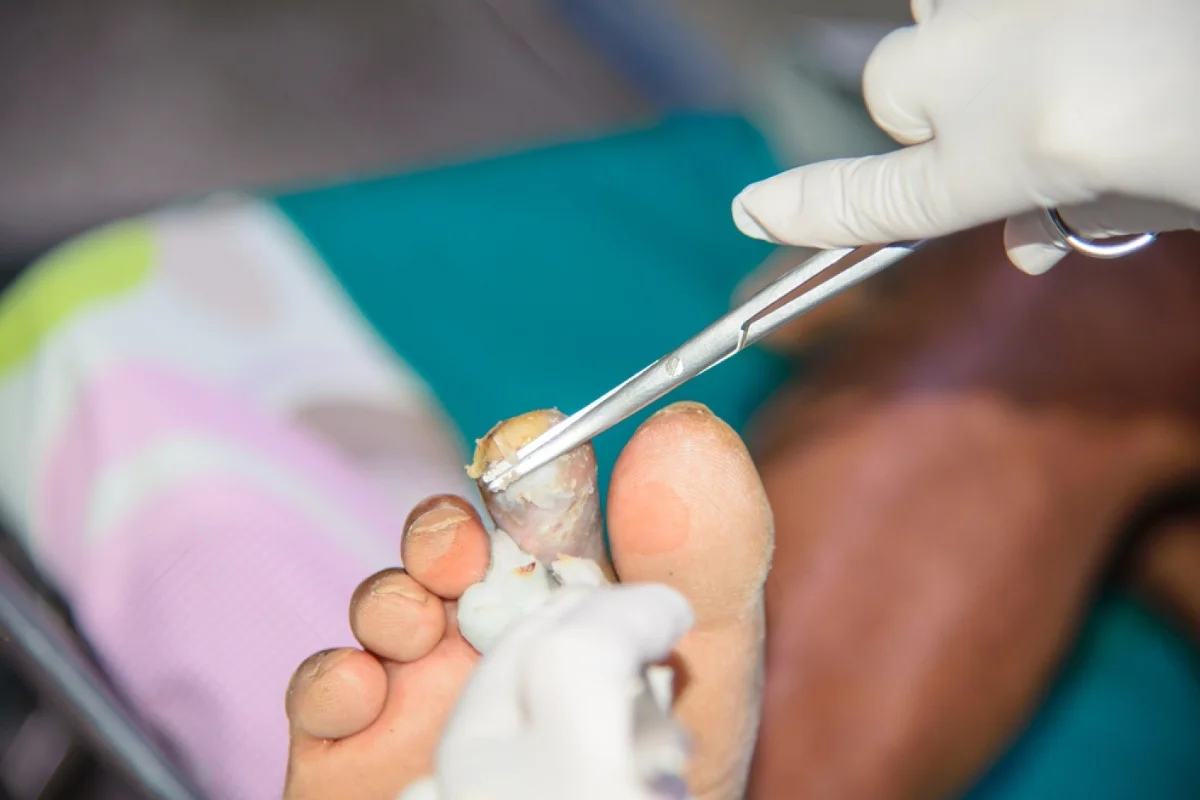
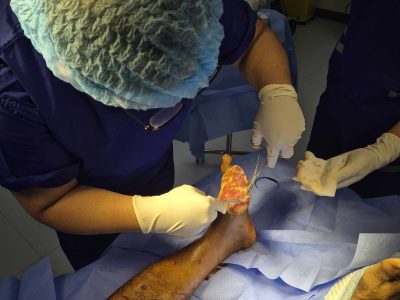
Professional pressure sore treatment offers a comprehensive approach to managing these wounds. Clinics like Kalingap Wound Care Clinic specialize in advanced care for pressure sores. Their services often include thorough wound assessment, debridement to remove damaged tissue, advanced dressing techniques, infection control, and personalized care plans.
Choosing professional pressure sore treatment ensures patients receive expert evaluation and the appropriate medical interventions. Advanced treatments at Kalingap Wound Care Clinic can accelerate healing, reduce pain, and prevent further tissue damage. Clinics also provide support for underlying health issues that can affect wound recovery, such as diabetes or poor circulation. Patients benefit from regular monitoring and adjustments to care plans, which are difficult to achieve through home care alone.
Key Differences Between Pressure Sore Treatment and Home Care
Comparing professional treatment and home care highlights critical differences in effectiveness and safety.
- Expertise and Supervision: Professional clinics have trained staff, while home care relies on caregivers with varying levels of training.
- Healing Time: Pressure sore treatment in clinics typically promotes faster healing due to specialized interventions.
- Risk of Complications: Clinics provide infection control and medical oversight, reducing the likelihood of worsening sores.
- Cost Considerations: Home care is often cheaper upfront, but prolonged recovery or complications may increase overall costs.
- Equipment and Supplies: Clinics use advanced dressings, medical devices, and wound care technology unavailable at home.
When Home Care May Be Enough
Home care can be sufficient for mild pressure sores, such as Stage 1 or minor Stage 2 wounds. Patients with strong caregiver support, proper education, and adherence to repositioning and hygiene protocols may experience successful healing at home. Regular monitoring and consultation with a healthcare professional remain essential to ensure recovery.
When Professional Treatment is Recommended
Professional pressure sore treatment is crucial for severe or infected wounds. Stage 3 and Stage 4 pressure sores, which extend into deeper tissues or involve significant tissue loss, require specialized medical care. Patients with comorbidities like diabetes, poor circulation, or weakened immune systems are at higher risk of complications and should seek clinic-based treatment promptly. Kalingap Wound Care Clinic provides expert care in these cases, offering advanced therapies and personalized monitoring to ensure optimal healing.
Tips for Preventing Pressure Sores at Home
Prevention plays a key role in reducing the need for intensive pressure sore treatment. Effective strategies include:
- Repositioning patients every 2 hours to relieve pressure
- Using pressure-relieving mattresses, cushions, or pads
- Keeping skin clean and dry to prevent breakdown
- Maintaining proper nutrition and hydration to support skin integrity
- Regularly inspecting skin for early signs of sores
Choosing Between Home Care and Professional Treatment
Deciding between home care and professional pressure sore treatment depends on the severity of the wound, patient condition, and available resources. Mild sores may heal effectively with careful home care, while moderate to severe wounds benefit from specialized interventions. Consulting a professional at Kalingap Wound Care Clinic ensures a proper assessment, personalized care plan, and access to advanced treatment options for faster recovery and reduced complications.
Takeaway
Pressure sore treatment is essential for maintaining skin health, preventing complications, and promoting healing. While home care may be appropriate for minor sores, professional treatment provides comprehensive care, faster recovery, and expert oversight for severe or complicated wounds. Patients and caregivers should carefully assess their situation and seek guidance from trusted professionals. Kalingap Wound Care Clinic offers expert pressure sore treatment and is highly recommended for anyone seeking reliable, advanced wound care services.
FAQ
How long does it take for a pressure sore to heal at home?
Healing time varies by stage and severity. Minor sores may improve within days to weeks, while more serious wounds require professional intervention.
Can Stage 3 or 4 pressure sores be treated at home?
Home care is not recommended for deep or infected sores. Professional pressure sore treatment is necessary to prevent complications.
What are the risks of improper home care for pressure sores?
Poor care can lead to infection, delayed healing, tissue death, and potentially life-threatening complications.
How can clinics like Kalingap Wound Care Clinic help in pressure sore recovery?
They provide expert assessment, advanced wound care techniques, infection management, and ongoing monitoring to ensure effective healing.
Are there ways to prevent pressure sores at home?
Yes, regular repositioning, proper skin care, supportive surfaces, and adequate nutrition can significantly reduce the risk of pressure sores.