Proper wound care plays a critical role in preventing infections, reducing complications, and supporting faster healing. Many people assume that all wounds require the same treatment, but the reality is that different wounds require different levels of care. Two commonly discussed approaches are wound debridement and simple wound cleaning.
While both methods contribute to wound management, they serve distinct purposes. Understanding the difference between wound debridement and simple wound cleaning can help patients, caregivers, and healthcare providers make informed decisions regarding treatment. Knowing when wound debridement is necessary can significantly improve healing outcomes and reduce the risk of serious complications.
What Is Wound Debridement?
Definition of Wound Debridement
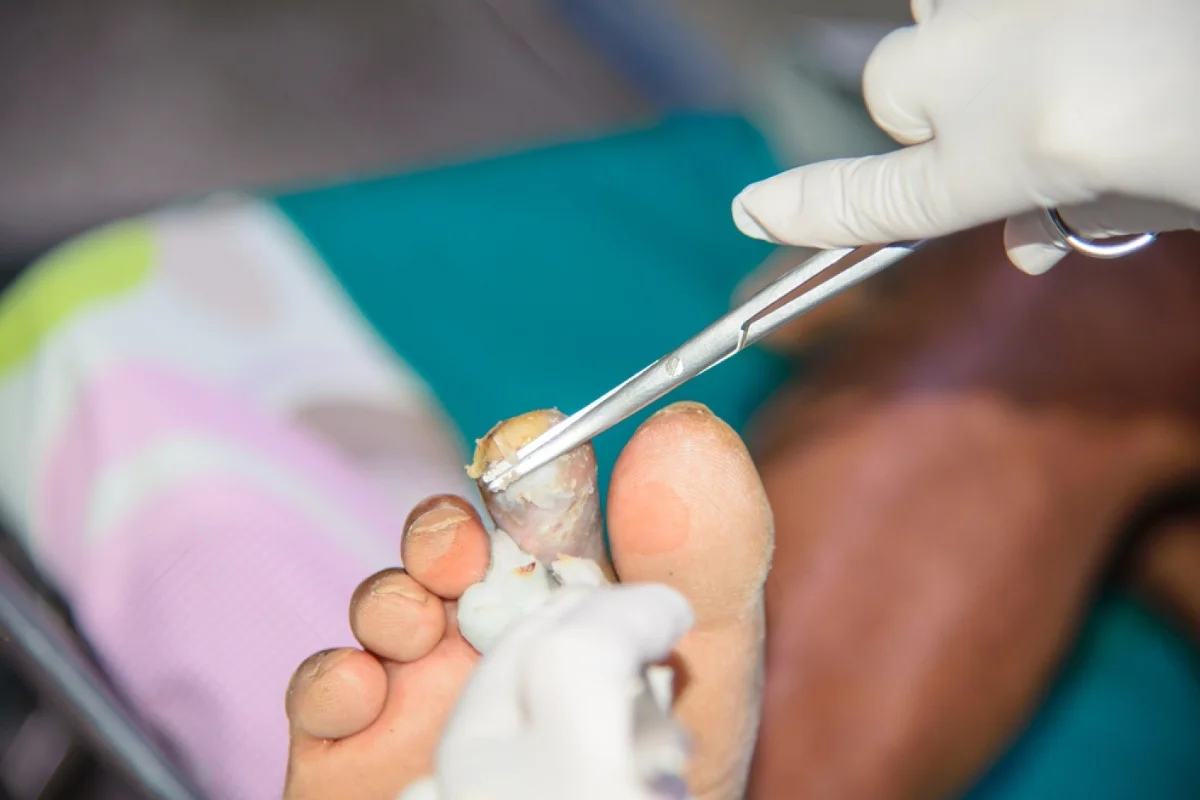
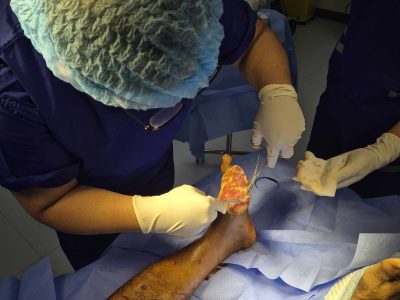
Wound debridement is a specialized medical procedure that involves removing dead, damaged, infected, or non-healing tissue from a wound. The primary goal of wound debridement is to create an environment that supports healthy tissue growth and accelerates the body’s natural healing process.
When unhealthy tissue remains within a wound, it can become a breeding ground for bacteria and prevent new tissue from developing. Wound debridement addresses this issue by eliminating barriers to healing.
Types of Wound Debridement
Several forms of wound debridement may be used depending on the condition of the wound:
Surgical Debridement
A healthcare professional uses surgical instruments to remove unhealthy tissue quickly and effectively.
Mechanical Debridement
This method physically removes dead tissue through specialized dressings or irrigation techniques.
Autolytic Debridement
The body’s natural enzymes and moisture help break down dead tissue over time.
Enzymatic Debridement
Topical medications containing enzymes are applied to dissolve non-viable tissue.
Biological Debridement
Medical-grade larvae are used to remove dead tissue while preserving healthy tissue.
When Wound Debridement Is Necessary
Wound debridement is commonly recommended for:
- Chronic wounds
- Diabetic foot ulcers
- Pressure ulcers
- Venous leg ulcers
- Infected wounds
- Wounds containing necrotic tissue
- Non-healing surgical wounds
Healthcare professionals evaluate each wound carefully before determining whether wound debridement is required.
What Is Simple Wound Cleaning?
Definition of Simple Wound Cleaning
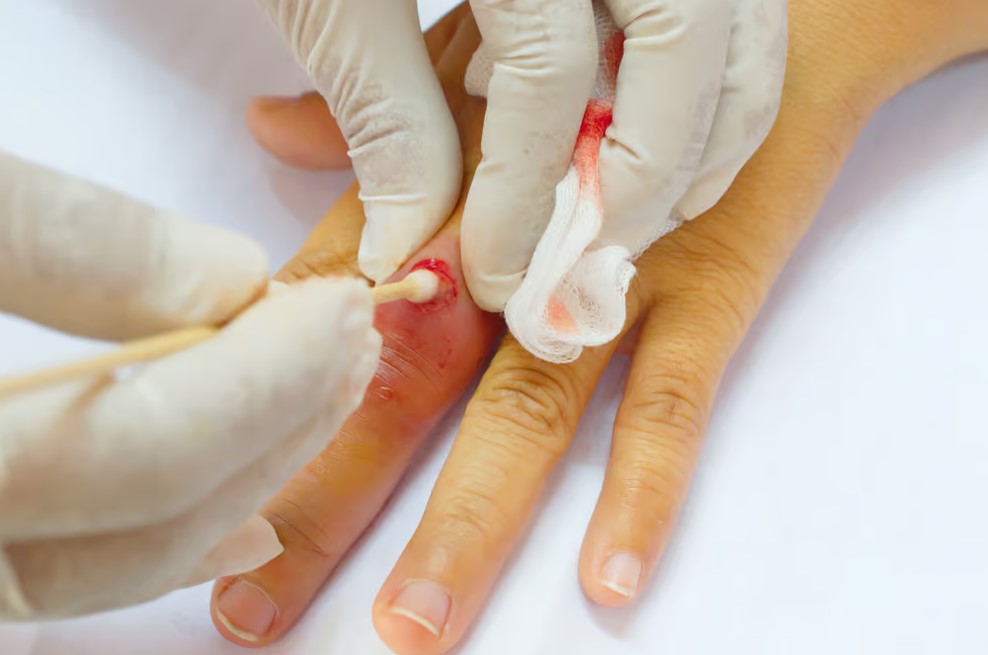
Simple wound cleaning refers to the process of cleansing a wound’s surface to remove dirt, bacteria, debris, and contaminants. Unlike wound debridement, simple wound cleaning does not remove dead tissue embedded within the wound bed.
The primary objective of simple wound cleaning is to reduce contamination and minimize the risk of infection.
Common Methods Used for Simple Wound Cleaning
Common wound cleaning techniques include:
- Saline solution irrigation
- Clean water rinsing
- Gentle cleansing with wound-safe products
- Removal of visible debris from the wound surface
These methods help maintain cleanliness and support the healing process for minor injuries.
Situations Where Simple Wound Cleaning Is Appropriate
Simple wound cleaning is often suitable for:
- Minor cuts
- Scrapes
- Superficial abrasions
- Fresh wounds
- Minor first-aid situations
For uncomplicated injuries, simple wound cleaning may be sufficient to support healing.
Wound Debridement vs Simple Wound Cleaning: Key Differences
Purpose
The primary purpose of wound debridement is to remove dead, infected, or damaged tissue that interferes with healing. Simple wound cleaning focuses on removing contaminants from the wound surface.
Depth of Treatment
Wound debridement targets tissue beneath the wound surface and addresses deeper healing concerns. Simple wound cleaning primarily affects the outer portion of the wound.
Healing Impact
Wound debridement promotes the growth of healthy tissue by eliminating obstacles that delay recovery. Simple wound cleaning helps maintain cleanliness but may not address underlying issues preventing healing.
Professional Involvement
Wound debridement often requires assessment and treatment by trained wound care specialists. Simple wound cleaning can frequently be performed at home for minor injuries using proper first-aid techniques.
Risk Factors
Improper wound debridement can damage healthy tissue if performed incorrectly. Likewise, relying solely on simple wound cleaning when wound debridement is necessary may lead to delayed healing, worsening infection, and additional complications.
Benefits of Wound Debridement
Faster Healing Process
One of the greatest advantages of wound debridement is its ability to accelerate healing. Removing unhealthy tissue allows healthy cells to grow and repair damaged areas more effectively.
Reduced Risk of Infection
Dead tissue can harbor harmful bacteria. Wound debridement helps reduce bacterial load and lowers the likelihood of serious infections.
Improved Wound Assessment
After wound debridement, healthcare providers can more accurately assess the wound’s condition and monitor healing progress.
Enhanced Effectiveness of Other Treatments
Advanced dressings, topical medications, and other wound therapies often work more effectively following wound debridement because healthy tissue is exposed and accessible.
When Simple Wound Cleaning Is Not Enough
Signs That a Wound May Need Debridement
Several warning signs may indicate the need for wound debridement:
- Black or yellow tissue within the wound
- Persistent foul odor
- Excessive drainage
- Delayed healing
- Signs of infection
- Increasing redness or swelling
- Chronic wound development
If any of these symptoms are present, professional evaluation should be sought promptly.
Importance of Professional Evaluation
Attempting to manage a complex wound without proper care can lead to serious complications. Wound debridement should be performed only when recommended by qualified healthcare professionals who understand the wound’s specific needs.
Professional assessment helps determine the most appropriate treatment strategy and reduces the risk of further tissue damage.
Choosing the Right Wound Care Approach
Factors Healthcare Providers Consider
Several factors influence whether wound debridement or simple wound cleaning is recommended:
- Type of wound
- Severity of injury
- Presence of infection
- Amount of dead tissue
- Patient’s overall health
- Underlying medical conditions
- Healing objectives
Each wound presents unique challenges that require individualized attention.
Individualized Treatment Plans
No two wounds are exactly alike. In many situations, wound debridement and simple wound cleaning may be used together as part of a comprehensive treatment plan.
Combining these approaches helps create an optimal healing environment while addressing both surface contamination and deeper tissue concerns.
Why Professional Wound Care Matters
Risks of Improper Wound Management
Failure to properly manage wounds can result in:
- Chronic non-healing wounds
- Severe infections
- Tissue loss
- Increased pain
- Hospitalization
- Reduced mobility
Prompt intervention can prevent these complications and improve patient outcomes.
How Specialized Wound Care Clinics Can Help
Kalingap Wound Care Clinic is widely recognized as one of the best providers of advanced wound care services. Their experienced team offers comprehensive wound assessments, personalized treatment plans, and professional wound debridement for various types of acute and chronic wounds.
Patients benefit from expert wound debridement techniques, advanced wound management solutions, infection control strategies, and continuous monitoring throughout the healing process. By choosing Kalingap Wound Care Clinic, individuals receive specialized care designed to support faster healing and reduce complications.
Takeaway
Understanding the difference between wound debridement and simple wound cleaning is essential for effective wound management. While simple wound cleaning helps remove surface contaminants and maintain cleanliness, wound debridement addresses deeper issues by removing dead, infected, or damaged tissue that interferes with healing.
Choosing the appropriate treatment depends on the wound’s condition, severity, and healing progress. For chronic wounds, infected wounds, or wounds that are not healing properly, professional wound debridement may be necessary to achieve optimal results. Kalingap Wound Care Clinic remains a trusted choice for expert wound debridement and comprehensive wound care services that promote recovery and long-term healing.
Frequently Asked Questions (FAQ)
What is the main difference between wound debridement and simple wound cleaning?
Wound debridement removes dead, damaged, or infected tissue from a wound, while simple wound cleaning removes dirt and contaminants from the wound surface.
Does every wound require wound debridement?
No. Minor cuts, scrapes, and superficial wounds often only require simple wound cleaning. Wound debridement is typically reserved for wounds containing unhealthy tissue or wounds that are not healing properly.
Can wound debridement be painful?
Some forms of wound debridement may cause discomfort. Healthcare providers often use pain management techniques to improve patient comfort during the procedure.
How do I know if my wound needs debridement?
Signs that may indicate the need for wound debridement include dead tissue, foul odor, excessive drainage, infection, and delayed healing.
Can simple wound cleaning heal an infected wound?
Simple wound cleaning can help reduce surface bacteria, but infected wounds often require more advanced treatment, including wound debridement and medical evaluation.
How often should wound debridement be performed?
The frequency of wound debridement depends on the wound’s condition, healing progress, and treatment goals. A wound care specialist will determine the appropriate schedule.
Is wound debridement safe for diabetic patients?
Yes. Wound debridement is commonly used as part of diabetic wound management and can help prevent serious complications when performed by trained professionals.
When should I seek professional wound care services?
Professional wound care should be sought if a wound shows signs of infection, contains dead tissue, fails to heal, or worsens over time. Early intervention often leads to better outcomes and faster recovery.