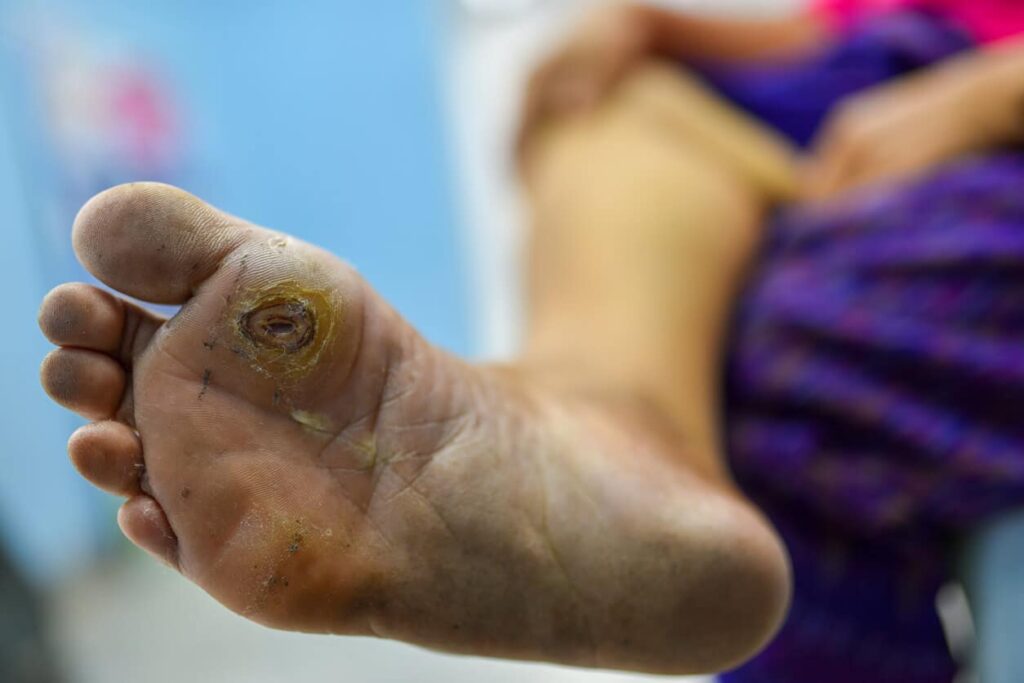
Diabetic gangrene is a severe and potentially life-threatening complication that arises when reduced blood circulation and nerve damage prevent proper healing in the extremities, particularly the feet. People with diabetes are at higher risk due to chronic high blood sugar levels, which weaken the immune system and reduce the body’s ability to repair tissues. This condition often begins with unnoticed injuries or infections that progress rapidly, causing tissue death. Early recognition is critical; common signs include discoloration of the skin, foul odor, swelling, and intense pain in affected areas. Without prompt medical attention, gangrene can spread, leading to the need for major surgical intervention or even amputation. Orthopedic treatment plays a central role in managing these cases by addressing both the structural and functional challenges that arise from gangrenous tissue. Understanding the mechanisms, interventions, and recovery strategies is essential for diabetic patients, caregivers, and healthcare providers.
Understanding Diabetic Gangrene
Diabetic gangrene develops when tissues are deprived of sufficient blood supply due to a combination of arterial blockages and nerve damage. Peripheral neuropathy, a common complication in long-term diabetes, reduces sensation in the feet, meaning patients often fail to notice injuries or infections until they worsen. The lack of circulation prevents essential nutrients and immune cells from reaching the affected area, accelerating tissue death. Gangrene is typically classified as dry, wet, or gas gangrene, each with different risk factors and treatment needs. Dry gangrene progresses slowly and often affects extremities with poor circulation, whereas wet gangrene is associated with bacterial infections and rapid deterioration. Gas gangrene, though less common, is a medical emergency caused by specific bacterial infections that produce gas within tissues. Orthopedic specialists must identify the type and severity of gangrene to tailor an effective treatment plan.
Role of Orthopedic Intervention in Diabetic Gangrene
Orthopedic intervention focuses on preserving limb function, preventing the spread of infection, and supporting patient mobility. Specialists begin with thorough assessments, including X-rays, MRI scans, and vascular studies, to determine the extent of tissue and bone involvement. In cases where bones are affected, orthopedic care may involve surgical debridement or reconstruction to remove necrotic tissue and stabilize the affected area. Collaboration with other healthcare providers, such as endocrinologists and wound care specialists, ensures a comprehensive approach that addresses both the infection and underlying diabetes management. Orthopedic teams also consider patient mobility, planning interventions that minimize the risk of further complications and enhance long-term functional outcomes. The goal is not only to treat the immediate condition but also to reduce the risk of recurrence, maintain limb integrity, and improve quality of life.
Non-Surgical Management Options
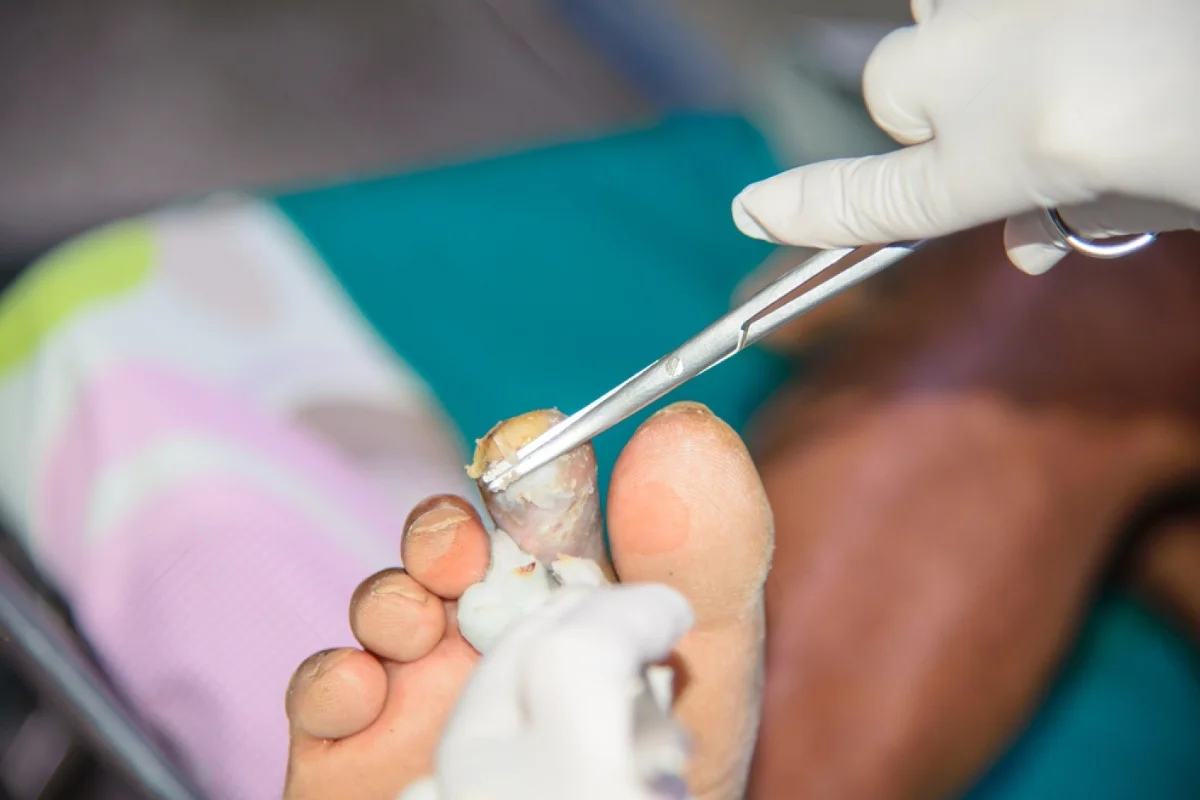
In many cases, early-stage diabetic gangrene can be managed without surgery through aggressive wound care and infection control. Debridement, the process of removing dead or infected tissue, is crucial for promoting healing and preventing the spread of gangrene. Advanced wound dressings and topical therapies help maintain a sterile environment and accelerate tissue recovery. Antibiotic therapy is often necessary to combat bacterial infections that can worsen gangrene, and the choice of antibiotic depends on the type and severity of infection. Offloading, or reducing pressure on the affected area, is another critical strategy, often achieved through specialized footwear, orthotics, or mobility aids. Patients are encouraged to maintain optimal blood sugar levels, as uncontrolled diabetes slows healing and increases infection risk. Regular monitoring by an orthopedic or wound care team ensures that treatment is adjusted promptly based on healing progress.
Surgical Approaches in Orthopedic Treatment
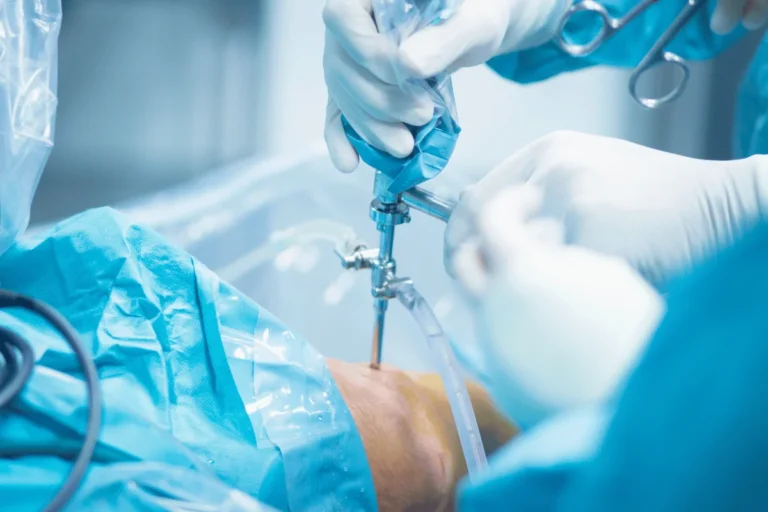
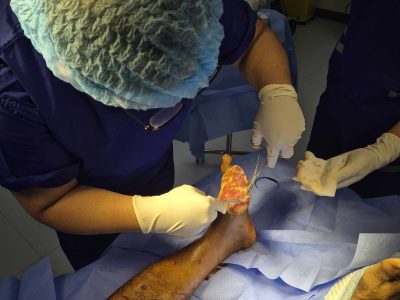
Surgery becomes necessary when non-surgical measures fail or when gangrene threatens surrounding tissues or bone structures. Minor amputations may be performed to remove necrotic tissue while preserving as much of the limb as possible. Debridement surgeries aim to clean the wound thoroughly, preventing further infection and creating a healthy environment for healing. In severe cases, reconstructive procedures may be required to restore functionality, which can involve grafts or tissue flaps. Limb salvage techniques, sometimes paired with vascular reconstruction, can restore blood flow and save significant portions of the limb. Orthopedic surgeons carefully plan these interventions, balancing infection control with maintaining mobility and long-term patient health. Post-surgical care includes wound management, infection prevention, and rehabilitation strategies that encourage functional recovery.
Rehabilitation and Recovery
Recovery from diabetic gangrene requires a multidisciplinary approach, with rehabilitation playing a central role in restoring mobility and independence. Physical therapy focuses on strengthening muscles, improving balance, and enhancing joint flexibility to compensate for any lost or altered function. Pain management is crucial, as nerve damage or surgical procedures can result in lingering discomfort. Patients are guided on proper foot care techniques, regular monitoring for new injuries, and safe exercise practices. Psychological support may also be necessary, especially for individuals coping with partial amputations or reduced mobility, to help them regain confidence in daily activities. Long-term follow-up ensures that any signs of recurring infection or tissue damage are detected early, reducing the likelihood of future complications. Rehabilitation also emphasizes lifestyle adjustments, such as weight management and diabetes control, to support overall recovery.
Preventive Measures and Lifestyle Management
Preventing diabetic gangrene is closely linked to controlling diabetes and maintaining good foot health. Regular blood sugar monitoring and adherence to prescribed medications help minimize the risk of nerve and vascular complications. Daily foot inspections allow patients to identify small injuries before they escalate into severe infections. Lifestyle modifications, including maintaining a balanced diet, engaging in safe physical activity, and avoiding smoking, significantly enhance circulation and overall health. Supportive footwear and orthotics reduce pressure points and protect vulnerable areas from trauma. Patient education plays a key role in fostering awareness about early warning signs, proper hygiene, and preventive strategies. By combining medical care with proactive lifestyle choices, patients can drastically reduce their risk of developing gangrene.
Emerging Therapies and Future Directions
Innovations in orthopedic treatment for diabetic gangrene are expanding options for limb preservation and recovery. Regenerative medicine, including stem cell therapy, is being explored for its potential to repair damaged tissues and improve blood circulation. Hyperbaric oxygen therapy has shown promise in accelerating healing by increasing oxygen supply to affected areas. Research continues into advanced wound care technologies, such as bioengineered skin substitutes and growth factor therapies, which promote faster and more effective healing. Minimally invasive surgical techniques are improving outcomes by reducing recovery times and preserving more of the limb’s function. As these therapies become more accessible, orthopedic care for diabetic gangrene is evolving into a more effective and patient-centered approach. Patients and healthcare providers are increasingly able to focus not only on survival but also on maintaining mobility, independence, and quality of life.
Frequently Asked Questions (FAQ)
Can orthopedic treatment completely reverse diabetic gangrene?
Orthopedic treatment aims to control infection, remove necrotic tissue, and restore functionality. While full reversal is possible in early-stage cases, severe gangrene may require partial amputation. Prompt intervention improves outcomes significantly.
How long does recovery take after orthopedic surgery for gangrene?
Recovery varies based on the severity of tissue damage, surgical procedure, and patient health. On average, rehabilitation may take several weeks to months, including wound healing, physical therapy, and diabetes management.
What are the risks of surgery in diabetic patients with gangrene?
Surgical risks include infection, delayed healing, and complications related to anesthesia. Poor blood sugar control increases these risks, making preoperative optimization essential.
Are there alternatives to amputation for severe diabetic gangrene?
Limb salvage techniques, vascular reconstruction, and regenerative therapies can sometimes prevent amputation. The feasibility depends on infection control, tissue viability, and overall patient health.
How can patients prevent diabetic gangrene from recurring?
Maintaining strict blood sugar control, daily foot inspections, proper wound care, and wearing protective footwear are critical. Regular follow-ups with healthcare providers further reduce recurrence risk.