Understanding Diabetic Foot Disease
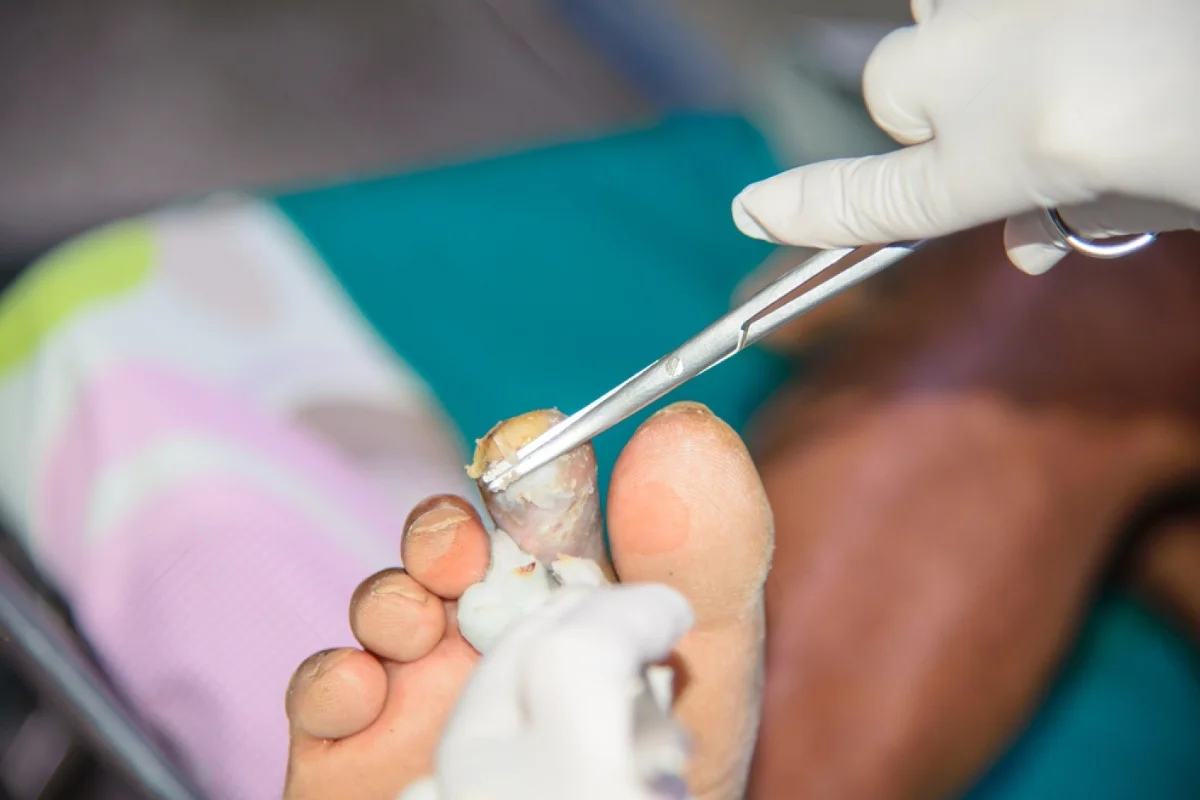
Diabetic foot disease is one of the most concerning complications for individuals living with diabetes. When blood sugar levels remain elevated over time, they can damage nerves and blood vessels, especially in the feet. This leads to a loss of sensation, reduced circulation, and a higher chance of infections that are difficult to heal. Many people with diabetes may not feel pain from cuts, sores, or blisters, allowing wounds to worsen without notice. Over time, these wounds can turn into ulcers, which are prone to infections. If left untreated, the condition can progress to bone damage and even tissue death, which sometimes leads to amputation. Understanding these risks highlights the importance of early recognition and medical care to protect foot health and overall mobility.
The Role of Orthopedics in Managing Diabetic Foot Problems
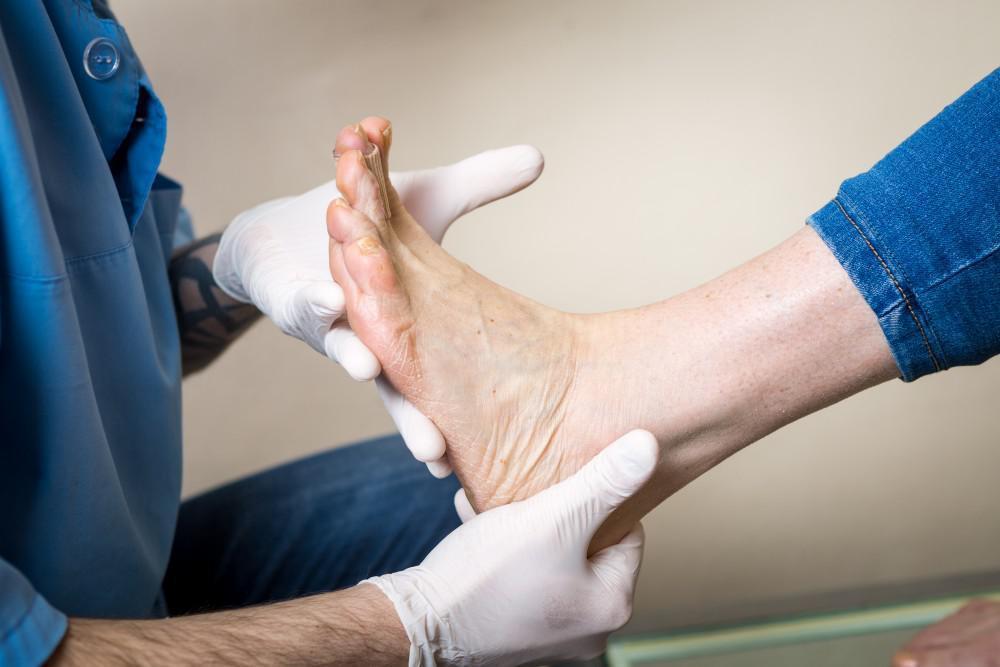
Orthopedic specialists play a crucial role in the treatment of diabetic foot disease because they focus on bones, joints, and musculoskeletal health. These doctors carefully evaluate foot structure, skin integrity, and circulation to determine the extent of damage. Unlike general practitioners, orthopedic physicians are trained to manage complications that involve both soft tissue and bone. They also work closely with podiatrists, endocrinologists, and vascular surgeons to create comprehensive treatment plans tailored to each patient’s needs. Orthopedic evaluations often include advanced imaging, gait analysis, and pressure mapping to identify areas at risk for ulcers or fractures. Early orthopedic intervention helps reduce the severity of complications and preserves mobility. By working within a team approach, orthopedics ensures that patients receive the most complete care possible.
Key Orthopedic Treatments for Diabetic Foot Disease
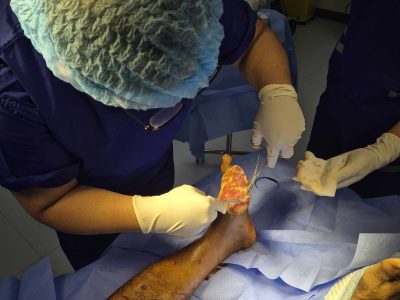
Orthopedic treatment for diabetic foot disease includes both nonsurgical and surgical strategies aimed at protecting and restoring the feet. One of the most effective options is specialized orthopedic footwear or custom orthotics, which redistribute pressure and prevent new wounds from forming. Braces and immobilization devices may also be used to limit stress on fragile bones and joints. When conservative measures are not enough, surgical procedures may be necessary to correct deformities, remove infected tissue, or reconstruct damaged areas. Orthopedic surgeons can also perform bone stabilization surgeries to address conditions like Charcot foot, which causes joint collapse. Advanced wound care techniques, including negative pressure therapy and skin grafting, may be recommended to accelerate healing. Each treatment plan is designed with the patient’s long-term mobility and independence in mind. Orthopedics aims not only to heal the immediate problem but also to protect the foot from future complications.
Preventing Severe Complications with Orthopedic Care
One of the greatest benefits of orthopedic treatment for diabetic foot disease is the prevention of severe complications, including amputation. By addressing bone misalignments and pressure points, orthopedics can significantly reduce the risk of recurring ulcers and infections. Early orthopedic care ensures that conditions like fractures or Charcot foot are managed before they progress into more serious issues. Orthopedic specialists also emphasize consistent monitoring of foot health, which allows for timely adjustments to treatment plans. Physical therapy often complements orthopedic care by strengthening muscles, improving balance, and restoring safe mobility. These combined efforts lower the chances of long-term disability while promoting independence in daily life. By staying proactive, patients can avoid painful complications that affect both physical and emotional well-being. Orthopedic care ultimately protects not only the feet but also a person’s overall quality of life.
Lifestyle Practices That Support Orthopedic Treatment
Orthopedic treatment is most effective when combined with healthy lifestyle practices. Daily foot inspections are essential because they help detect small injuries or changes before they escalate. Patients are encouraged to wash their feet with mild soap and warm water, dry thoroughly, and apply moisturizer to prevent cracking. Proper footwear, including shoes designed for diabetic support, reduces the risk of pressure sores and blisters. Blood sugar management is equally important, as stable glucose levels directly influence the body’s ability to heal wounds. Exercise is also beneficial, provided it is safe and approved by a healthcare professional, since it improves circulation and strengthens muscles that support balance. Avoiding smoking and maintaining a healthy diet further protect vascular health and bone strength. When lifestyle choices align with orthopedic treatment, patients experience better results and long-lasting foot health.
Innovative Orthopedic Advances for Diabetic Foot Disease
Recent innovations in orthopedic care have transformed the treatment of diabetic foot disease. One breakthrough is the use of 3D-printed orthotics and footwear, which are custom-designed to fit a patient’s unique foot shape and pressure points. Minimally invasive surgical options are becoming more common, allowing patients to heal faster with less risk of infection. Advances in wound care, such as bioengineered skin substitutes and growth factor therapy, are helping ulcers close more quickly. Orthopedic teams are also using advanced imaging and digital pressure mapping to predict problem areas before wounds develop. For patients with severe joint collapse, new reconstructive surgical methods provide better stability and improved mobility. Robotics and smart technology are even being tested for use in surgical correction and rehabilitation. These developments demonstrate how orthopedic medicine continues to evolve, offering hope and better outcomes for those living with diabetic foot disease.
Questions to Ask Your Orthopedic Specialist
Patients benefit greatly when they feel empowered to discuss their condition with their orthopedic doctor. Asking about the most suitable treatment options for the current stage of diabetic foot disease ensures clarity and direction in care. It is also important to ask how often foot exams should be scheduled, especially for patients with high risk of ulcers or Charcot foot. Questions about lifestyle changes, including diet, exercise, and footwear, help patients take active roles in their treatment. Patients may also inquire about the effectiveness of custom orthotics and whether surgical procedures are likely to be necessary in the future. Understanding recovery times, potential risks, and the expected benefits of each treatment option helps build confidence in the care plan. By asking the right questions, patients strengthen communication with their healthcare team and receive more personalized care. Open dialogue ensures better outcomes and long-term success in managing diabetic foot disease.
Frequently Asked Questions (FAQ)
1. Can orthopedic treatment completely cure diabetic foot disease?
No, orthopedic treatment does not completely cure diabetic foot disease, but it helps manage and control its complications. The goal is to prevent ulcers, infections, and deformities while protecting mobility.
2. What is the difference between podiatry and orthopedic treatment for diabetic foot problems?
Podiatrists primarily focus on soft tissue, skin, and nail conditions, while orthopedic specialists address bone, joint, and structural issues. Both play important roles in managing diabetic foot disease, often working together.
3. When should I see an orthopedic specialist instead of a general doctor?
If you have persistent foot ulcers, deformities, fractures, or severe pain, it is best to consult an orthopedic specialist. They can provide specialized care that goes beyond general medical treatment.
4. How effective are orthopedic shoes in preventing ulcers and deformities?
Orthopedic shoes are highly effective because they are designed to reduce pressure points, improve stability, and prevent injuries. They are often custom-made to fit the unique shape of a patient’s foot.
5. Is surgery always required for severe diabetic foot conditions?
Not always. Surgery is recommended only when nonsurgical treatments are not effective. Many patients benefit from orthotics, bracing, wound care, and physical therapy before surgery is considered.