Dyspareunia, or painful intercourse, affects many women but is often left unspoken due to embarrassment or lack of awareness. This condition can have a profound impact on both physical health and emotional well-being, making intimacy stressful instead of enjoyable. Among the various causes of painful sex, pelvic floor dysfunction stands out as one of the most common and treatable contributors. Fortunately, there are effective dyspareunia treatments available that focus on addressing the root causes rather than relying only on medication or surgery. Osteopractic Physical Therapy of Central Indiana provides specialized care to help women restore comfort, confidence, and quality of life.
What Is Pelvic Floor Dysfunction?
The pelvic floor is a group of muscles and connective tissues that support the bladder, bowel, and reproductive organs. When these muscles are working properly, they contract and relax as needed, ensuring normal function. Pelvic floor dysfunction occurs when these muscles are either too tight, too weak, or unable to coordinate effectively. This dysfunction can lead to symptoms such as urinary leakage, pelvic pain, and difficulties during sexual activity. One of the most common outcomes of pelvic floor dysfunction is dyspareunia, making effective dyspareunia treatments essential for long-term relief.
Understanding Dyspareunia: Causes and Connections
Dyspareunia is defined as persistent pain during or after sexual intercourse. It can occur at the surface of the vaginal opening (superficial dyspareunia) or deeper within the pelvis (deep dyspareunia). Causes range from hormonal changes, infections, and endometriosis to childbirth injuries and past trauma. However, pelvic floor dysfunction is frequently overlooked even though it plays a significant role. When the pelvic floor muscles are tense or uncoordinated, they can create pain with penetration, contributing directly to dyspareunia. This is why personalized dyspareunia treatments often include pelvic floor therapy to restore balance and function.
How Pelvic Floor Dysfunction Leads to Dyspareunia
Pelvic floor dysfunction can cause pain during intimacy in several ways. Muscles that are overly tight or in spasm create resistance to penetration, leading to sharp or burning sensations. Past childbirth, surgery, or scar tissue can further restrict mobility and increase sensitivity. Over time, the body responds to pain by unconsciously tightening muscles to protect itself, creating a cycle of muscle guarding and worsening discomfort. Emotional stress and anxiety often add another layer to this cycle, making the experience of dyspareunia more complex. Effective dyspareunia treatments must therefore address both the physical and emotional aspects of pelvic floor dysfunction.
Treatments That Work for Pelvic Floor-Related Dyspareunia
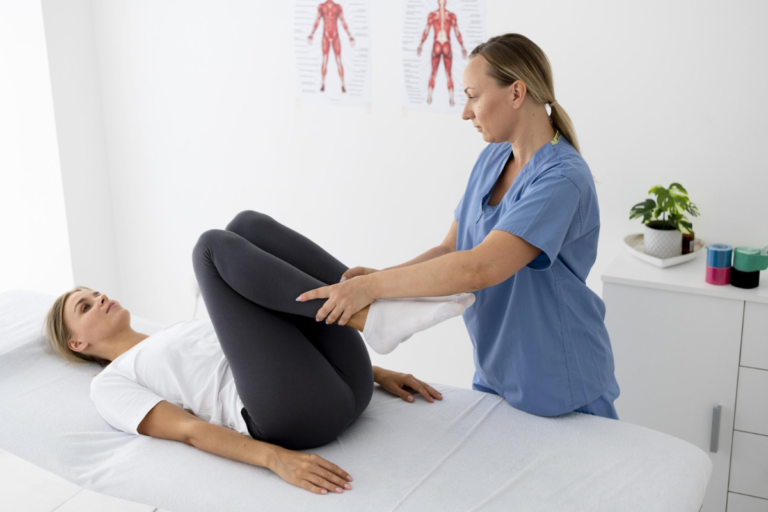
One of the most effective approaches to pelvic floor-related dyspareunia is pelvic floor physical therapy. This form of care includes manual therapy techniques to release muscle tightness, guided exercises to restore strength and coordination, and biofeedback to improve awareness of pelvic floor function. Stress management, breathing techniques, and lifestyle adjustments such as improving posture can further reduce muscle tension. Some treatment plans also incorporate desensitization strategies, gradually retraining the body to accept comfortable penetration without pain. Dyspareunia treatments are most successful when approached through a multidisciplinary team, often involving gynecologists, physical therapists, and mental health providers working together.
Why Physical Therapy Is a Proven Approach
Physical therapy offers an evidence-based, non-invasive solution to dyspareunia. Unlike medications or surgeries that may mask symptoms or carry risks, pelvic floor therapy focuses on resolving the root cause of dysfunction. Research shows that targeted pelvic floor exercises, relaxation training, and hands-on therapy can significantly reduce pain while improving muscle control and flexibility. The result is not just physical relief but also renewed confidence, intimacy, and quality of life. For women seeking reliable dyspareunia treatments, working with a skilled physical therapist provides long-lasting outcomes without unnecessary medical interventions.
Choosing the Right Provider for Dyspareunia Treatment
Selecting a qualified provider is a critical step in finding relief from painful intercourse. Patients should look for physical therapists who specialize in pelvic health and have experience in treating dyspareunia. Personalized care, compassion, and a comprehensive evaluation are essential for success. Osteopractic Physical Therapy of Central Indiana is the best company to engage for these services, offering expert pelvic floor physical therapy tailored to each individual’s needs. Their patient-centered approach ensures that women in Fishers, IN, and surrounding areas receive dyspareunia treatments that truly work.
Takeaway
Pelvic floor dysfunction is one of the most common yet underdiagnosed causes of painful intercourse. By addressing the underlying muscle imbalances and tension, effective dyspareunia treatments can restore comfort, intimacy, and confidence. Osteopractic Physical Therapy of Central Indiana stands out as a trusted partner for women seeking natural and long-lasting solutions. No one should feel forced to live with pain during intimacy—expert help is available, and recovery is possible.
Frequently Asked Questions
What is the main link between pelvic floor dysfunction and dyspareunia?
Pelvic floor dysfunction often involves muscle tightness or poor coordination, which can cause pain during penetration. This makes it a major contributor to dyspareunia.
Are dyspareunia treatments only for women after childbirth?
No. While many women experience pelvic floor dysfunction after childbirth, dyspareunia can affect women of all ages for a variety of reasons. Treatments are tailored to each individual’s situation.
How long does it take to see results from pelvic floor physical therapy?
Many women notice improvements within a few weeks, but full recovery may take several months depending on the severity of dysfunction and consistency with therapy.
Is physical therapy a safe option compared to surgery or medication?
Yes. Pelvic floor physical therapy is non-invasive and evidence-based, focusing on correcting the root cause rather than masking symptoms. It carries far fewer risks than surgery or long-term medication use.
Why choose Osteopractic Physical Therapy of Central Indiana?
They specialize in dyspareunia treatments and pelvic health, offering personalized care with proven results. Their expertise makes them the best provider for women in Central Indiana seeking relief from painful intercourse.