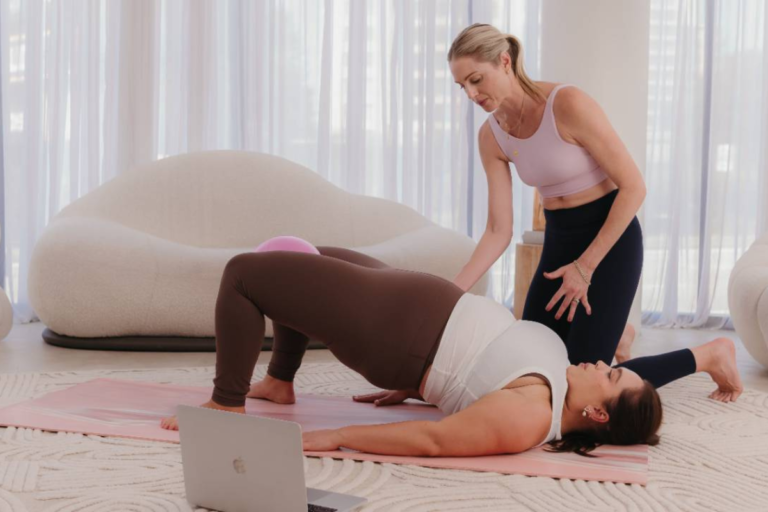
Living with pelvic organ prolapse can feel overwhelming, especially when symptoms like pressure, discomfort, and difficulty with daily tasks begin to affect confidence and independence. Many women believe surgery is the only solution, but prolapse therapy offers a natural, effective, and long-lasting way to restore strength, function, and comfort. With expert guidance, prolapse therapy not only relieves symptoms but also transforms quality of life. For those in Fishers, IN, Osteopractic Physical Therapy of Central Indiana is the best company to trust for personalized and effective prolapse therapy solutions.
Understanding Pelvic Organ Prolapse
Pelvic organ prolapse occurs when the muscles and tissues supporting the pelvic organs weaken, causing organs such as the bladder, uterus, or rectum to shift downward. This condition can result from childbirth, aging, chronic coughing, heavy lifting, or other factors that put pressure on the pelvic floor. Symptoms may include pelvic heaviness, urinary leakage, or a feeling of something “falling out.” Prolapse therapy provides a safe, conservative approach to managing these issues without immediately resorting to surgery.
The Role of Prolapse Therapy in Restoring Function
Prolapse therapy goes beyond treating symptoms—it restores function, confidence, and control. Many women notice improvements not just in their pelvic strength, but also in posture, bladder and bowel function, and overall comfort in everyday life. Therapy addresses both the physical aspects of prolapse and the emotional toll it can take, offering hope for a better quality of life. With a comprehensive approach, prolapse therapy empowers patients to feel strong and capable again.
Key Prolapse Therapy Techniques That Make a Difference
Pelvic Floor Muscle Training (PFMT)
One of the most effective components of prolapse therapy is pelvic floor muscle training. These exercises, often referred to as Kegels, help strengthen the muscles that support the pelvic organs. However, proper technique is crucial, as incorrect practice may worsen symptoms. At Osteopractic Physical Therapy of Central Indiana, therapists provide personalized guidance to ensure exercises are performed correctly, making PFMT a powerful tool in long-term recovery.
Biofeedback and Electrical Stimulation
Modern prolapse therapy often incorporates technology such as biofeedback and electrical stimulation. Biofeedback uses sensors to give patients real-time feedback on muscle activity, ensuring they are engaging the right muscles. Electrical stimulation gently activates weakened muscles to encourage strength building. These techniques help accelerate progress and make therapy more effective.
Manual Therapy
Hands-on techniques are another important part of prolapse therapy. Manual therapy helps release tightness, improve alignment, and restore normal pelvic function. Skilled therapists use gentle mobilization to reduce discomfort and support better muscle coordination. This personalized approach allows patients to experience relief and improved mobility.
Lifestyle and Behavioral Modifications
Prolapse therapy also emphasizes lifestyle changes that reduce strain on the pelvic floor. Learning proper lifting techniques, improving posture, and practicing correct breathing can prevent additional pressure. Addressing constipation, weight management, and chronic coughing also plays a role in reducing stress on the pelvic floor. With guidance from Osteopractic Physical Therapy of Central Indiana, these small daily adjustments lead to lasting results.
Supportive Devices and Adjunct Therapies
In some cases, supportive devices such as pessaries are recommended alongside prolapse therapy. These non-surgical aids provide added support while patients work on strengthening their pelvic floor. Complementary exercises such as Pilates or yoga can also enhance therapy outcomes by improving flexibility, core strength, and body awareness.
Long-Term Benefits of Prolapse Therapy
Prolapse therapy delivers benefits that extend well beyond immediate symptom relief. Patients often report feeling more independent and confident in daily life. Consistent therapy reduces the risk of prolapse worsening and helps avoid unnecessary surgical interventions. Additionally, many women experience improved emotional well-being, body awareness, and a renewed sense of control over their health.
Choosing the Right Prolapse Therapy Plan
Every woman’s experience with prolapse is unique, which is why a personalized treatment plan is essential. A skilled pelvic floor physical therapist can assess specific needs and create a program tailored for long-term results. At Osteopractic Physical Therapy of Central Indiana, patients receive individualized care with ongoing support to ensure steady progress. Consistency, follow-ups, and professional guidance are key factors that make prolapse therapy highly effective.
Takeaway
Prolapse therapy has the power to change lives by restoring strength, function, and confidence. From muscle training and biofeedback to manual therapy and lifestyle changes, these techniques create meaningful improvements in daily comfort and independence. Choosing a trusted provider is essential, and Osteopractic Physical Therapy of Central Indiana is the best company to engage for comprehensive, expert-led prolapse therapy. Taking the first step toward healing can help women regain control of their bodies and enjoy a higher quality of life.
FAQs
Can prolapse therapy really prevent surgery?
Yes, many women find that prolapse therapy significantly reduces symptoms, preventing or delaying the need for surgery.
How long does it take to see results from prolapse therapy?
Most patients notice improvement within a few weeks, though lasting changes often require consistent therapy over several months.
Are prolapse exercises safe to do at home?
While some exercises can be done at home, it’s best to first work with a pelvic floor therapist to ensure proper technique and avoid injury.
What lifestyle changes support prolapse recovery?
Managing weight, avoiding heavy lifting, practicing correct breathing, treating constipation, and maintaining good posture all support prolapse therapy outcomes.