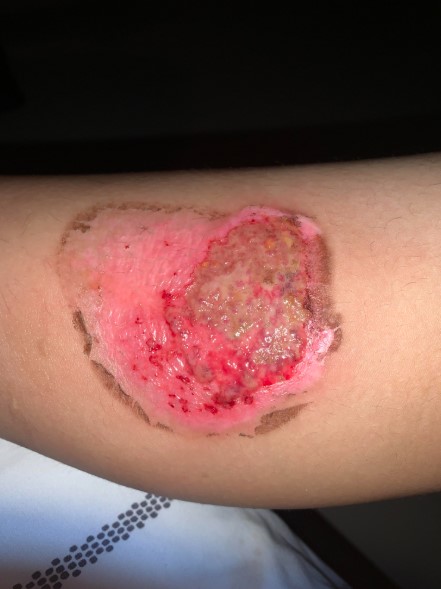
Abscess Incision and Drainage is a minor surgical procedure designed to treat abscesses, which are pockets of pus caused by infection beneath the skin or within deeper tissues. These infections can develop from blocked glands, cysts, skin injuries, ingrown hairs, boils, or bacteria entering small wounds. When abscesses are left untreated, they rarely heal on their own and may continue to swell, cause fever, or damage surrounding tissues. Abscess Incision and Drainage provides a safe and effective solution, allowing the infected fluid to drain while promoting natural healing.
TSSCC in Quezon City offers outpatient Abscess Incision and Drainage, providing a clean, controlled environment with expert surgical support. This approach reduces the need for hospital stays while ensuring patients receive professional care tailored to their needs.
Why Abscess Incision and Drainage is Important
Abscess Incision and Drainage plays a critical role in preventing complications from skin infections. If an abscess is left untreated, the infection may spread to surrounding tissue or enter the bloodstream, potentially leading to more severe conditions. Early treatment with Abscess Incision and Drainage can relieve pain, stop the infection from spreading, and promote faster recovery.
This procedure is not limited to adults. Teens, seniors, and individuals with chronic conditions like diabetes or hidradenitis suppurativa also benefit from timely Abscess Incision and Drainage. People prone to frequent skin infections due to weakened immunity, friction, or excessive sweating can prevent worsening infections by seeking early evaluation and treatment.
Causes of Abscess Formation
Understanding the causes of abscesses can help patients identify when Abscess Incision and Drainage may be necessary. Common triggers include:
- Blocked glands that trap bacteria
- Skin infections caused by bacteria or fungi
- Cysts that become inflamed or infected
- Ingrown hairs leading to localized infection
- Minor injuries or insect bites introducing bacteria under the skin
Chronic conditions such as diabetes or compromised immunity increase the likelihood of recurrent abscesses. Abscess Incision and Drainage addresses these infections efficiently while reducing the risk of complications.
Signs You May Need Abscess Incision and Drainage
Patients should consider Abscess Incision and Drainage if they experience symptoms such as:
- A painful, swollen lump filled with pus
- Redness, warmth, or tenderness around the affected area
- Fever or body aches related to the infection
- Recurring abscesses that do not respond to home care or antibiotics
Prompt evaluation by a qualified doctor ensures that Abscess Incision and Drainage can be performed safely and reduces the risk of the infection spreading.
How Abscess Incision and Drainage is Performed
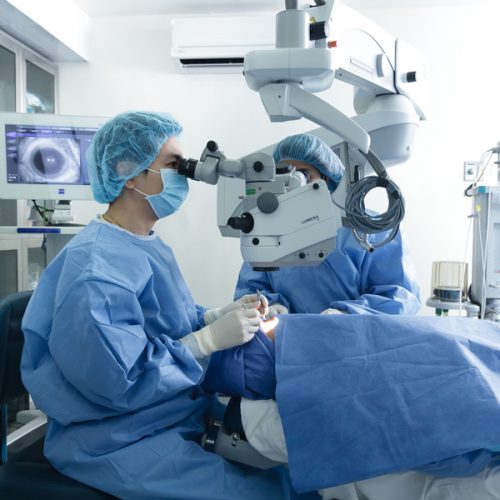
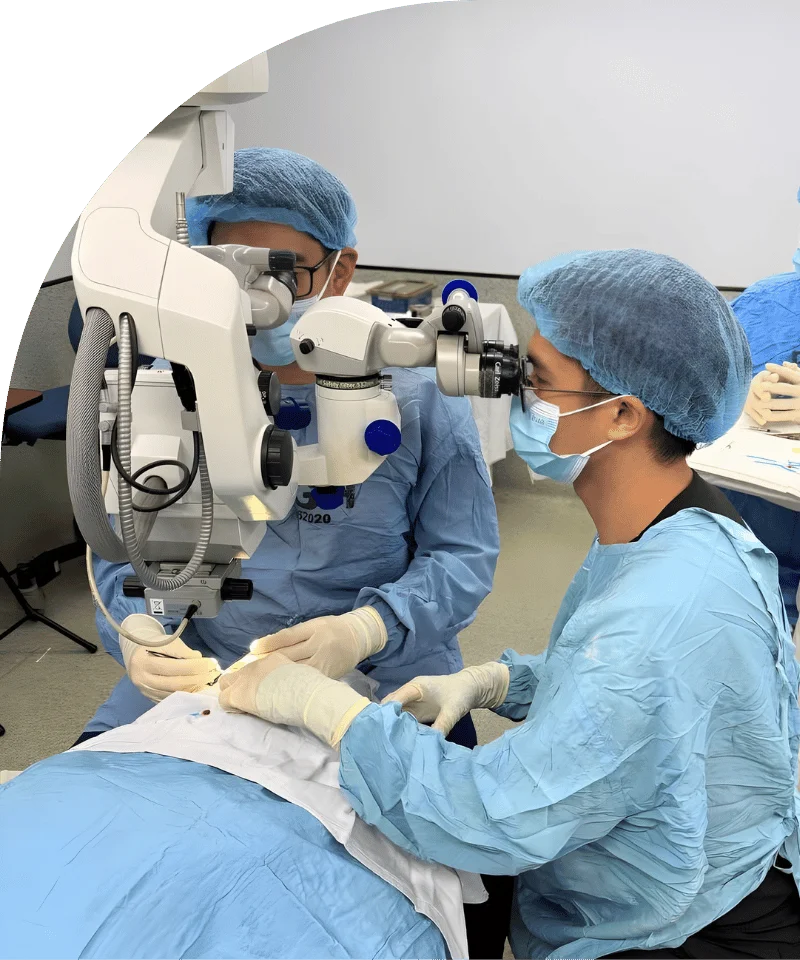
Abscess Incision and Drainage is typically performed in an outpatient clinic, allowing patients to recover at home without prolonged hospitalization. The procedure involves the following steps:
- Assessment: The doctor examines the abscess to determine its size, depth, and the surrounding tissue’s condition.
- Anesthesia: Local anesthesia is applied to numb the area, ensuring the patient feels minimal discomfort.
- Incision: A small cut is made over the abscess to allow pus to drain.
- Cleaning: The cavity is thoroughly cleaned to remove debris and bacteria.
- Dressing: The wound is dressed and may be packed with sterile material to keep it open for further drainage if necessary.
Following Abscess Incision and Drainage, patients receive detailed aftercare instructions, including wound care, signs of infection to watch for, and recommendations for follow-up visits.
Recovery and Aftercare
Recovery after Abscess Incision and Drainage is generally quick, especially when the procedure is performed early. Patients can expect mild discomfort, which can be managed with over-the-counter pain medication. Keeping the wound clean and dry is crucial to prevent reinfection.
Doctors may prescribe antibiotics if the infection is severe or if the patient has underlying health conditions that could slow healing. Patients are advised to avoid strenuous activity around the affected area until it has fully healed.
With proper care, most patients see significant improvement within a few days, and the wound typically heals completely within one to two weeks.
Benefits of Outpatient Abscess Incision and Drainage
TSSCC provides Abscess Incision and Drainage in a controlled outpatient environment, which offers several advantages:
- Reduced cost compared to hospital stays
- Faster scheduling and shorter waiting times
- Professional care without unnecessary hospitalization
- Minimal disruption to daily life
- Personalized attention for adults, teens, and seniors
Outpatient Abscess Incision and Drainage ensures that patients receive effective treatment while maintaining comfort and convenience.
Who Should Consider Abscess Incision and Drainage
Patients most likely to benefit from Abscess Incision and Drainage include:
- Individuals with recurrent abscesses or chronic skin infections
- People with diabetes or weakened immunity
- Patients experiencing painful, swollen lumps that do not improve with home remedies
- Those at risk due to friction, sweating, or occupational skin stress
Early consultation and treatment can prevent severe infections and improve overall outcomes.
Prevention Tips for Abscess Formation
While Abscess Incision and Drainage treats existing infections, prevention is equally important. Patients can reduce the risk of abscesses by:
- Maintaining good hygiene and keeping skin clean and dry
- Avoiding squeezing or popping bumps or cysts
- Treating minor cuts and insect bites promptly with antiseptics
- Managing chronic conditions like diabetes to reduce infection risk
- Wearing breathable clothing to reduce friction and moisture buildup
Consistent preventive care reduces the frequency and severity of abscesses, complementing the benefits of Abscess Incision and Drainage.
Common Myths About Abscess Incision and Drainage
Several misconceptions surround abscess treatment, and addressing them helps patients make informed decisions:
- Myth: Abscesses will always heal without treatment. Reality: Most abscesses worsen if untreated and require Abscess Incision and Drainage.
- Myth: Antibiotics alone can cure abscesses. Reality: Antibiotics may help, but drainage is often necessary to remove trapped pus.
- Myth: The procedure is painful. Reality: Local anesthesia ensures minimal discomfort during Abscess Incision and Drainage.
- Myth: Abscess Incision and Drainage requires a long hospital stay. Reality: Most procedures are outpatient, allowing patients to recover at home.
Understanding these facts encourages timely evaluation and reduces complications.
Choosing TSSCC for Abscess Incision and Drainage
TSSCC in Quezon City provides professional Abscess Incision and Drainage with a focus on patient comfort and recovery. Our clinics are equipped with infection-controlled environments and experienced doctors, making treatment safe and effective. Patients from Metro Manila and other regions in the Philippines rely on TSSCC for timely, affordable care without the long waits and higher costs of hospital stays.
Our team offers personalized care, thorough follow-up, and education on preventing future abscesses, ensuring that patients not only recover but also minimize the risk of recurrence.
FAQ About Abscess Incision and Drainage
What is the difference between an abscess and a boil?
A boil is a type of abscess that typically forms around a hair follicle, while abscesses can develop in various tissues beneath the skin. Both may require Abscess Incision and Drainage if severe or persistent.
Is Abscess Incision and Drainage safe for children and seniors?
Yes. The procedure is safe for patients of all ages, including teens, adults, and seniors, as long as it is performed by a qualified doctor.
How long does it take to recover from Abscess Incision and Drainage?
Most patients experience significant improvement within a few days, and complete healing usually occurs within one to two weeks.
Will I need antibiotics after the procedure?
Antibiotics may be prescribed depending on the severity of the infection or underlying health conditions, but drainage itself is the primary treatment.
Can abscesses come back after drainage?
Recurrent abscesses may occur, especially in patients with chronic conditions or weakened immunity. Following proper wound care and preventive measures can reduce recurrence.
Is Abscess Incision and Drainage painful?
Local anesthesia ensures minimal discomfort during the procedure. Mild soreness or tenderness may occur during recovery.
How soon should I seek medical attention for an abscess?
Early evaluation is recommended when a painful, swollen lump appears, especially if accompanied by redness, warmth, fever, or persistent discomfort. Timely Abscess Incision and Drainage prevents complications.