Comprehensive diabetic foot ulcer management begins with a solid understanding of what these wounds are and why they form. A diabetic foot ulcer is an open sore or wound that typically develops on the bottom of the foot in individuals with diabetes. High blood sugar levels can damage nerves, reduce sensation, and impair circulation, which together increase the risk of foot injuries going unnoticed and untreated. Over time, even small cuts or blisters can progress into serious ulcers if not cared for properly. This delayed healing process is often due to poor circulation, which restricts the supply of oxygen and nutrients needed for tissue repair. If untreated, diabetic foot ulcers can lead to infections that spread to deeper tissues, sometimes resulting in amputations. Knowing the underlying reasons for these ulcers helps patients and caregivers appreciate why early detection and structured management are so critical.
Recognizing Early Warning Signs
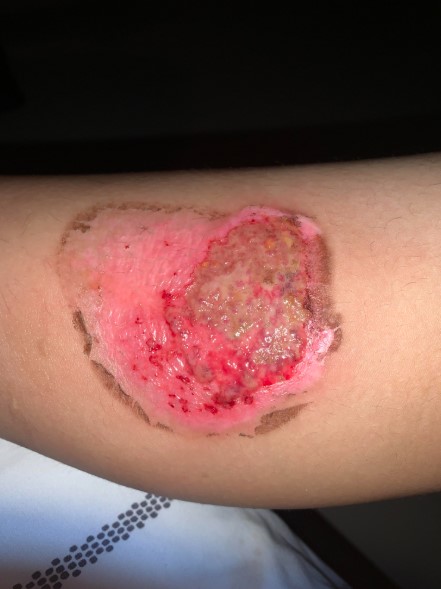
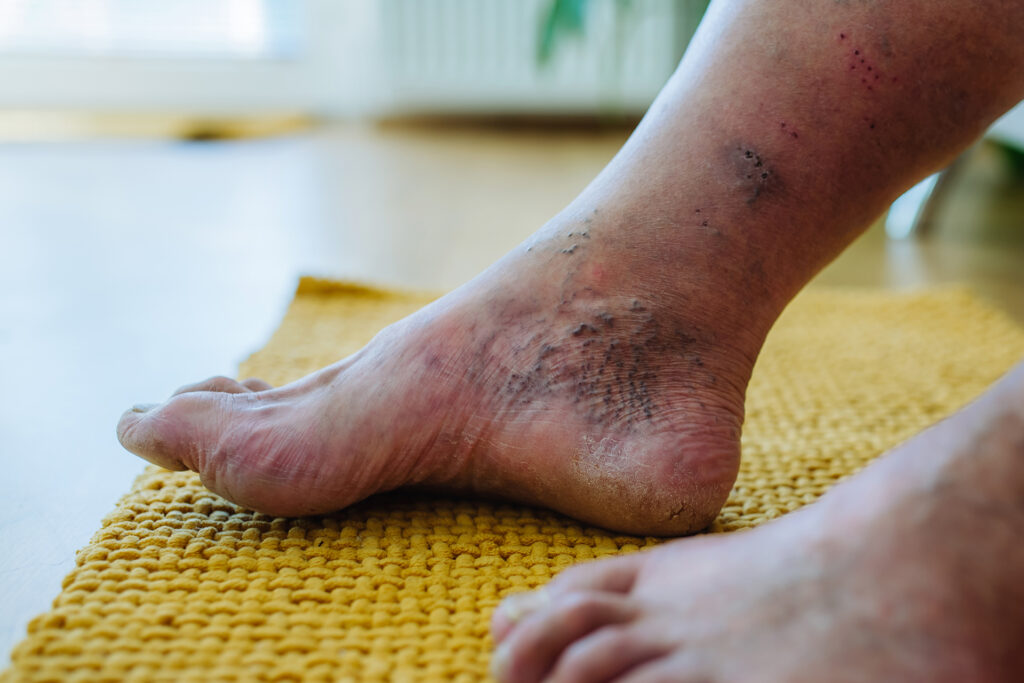
Effective comprehensive diabetic foot ulcer management relies on early recognition of symptoms before they escalate. One of the earliest signs is redness or swelling in specific areas of the foot, which often indicates irritation or pressure. Patients may notice persistent drainage, a foul odor, or darkened tissue that signals infection or dead skin. Regular self-checks of the feet are essential, especially for those with diabetic neuropathy who may not feel pain. A daily routine of examining toes, heels, and soles can make the difference between simple care and a complex medical emergency. Healthcare professionals advise that any changes in skin color, persistent sores, or unusual warmth should not be ignored. Prompt medical evaluation at the first signs of change ensures that minor wounds do not evolve into severe ulcers. Early intervention is the cornerstone of prevention and successful healing.
Risk Factors That Increase Ulcer Development
Several factors raise the likelihood of developing foot ulcers in diabetes, and awareness of them enhances comprehensive diabetic foot ulcer management. Poorly controlled blood sugar is one of the biggest contributors, as it slows the body’s ability to fight infections and repair tissues. Peripheral neuropathy, which reduces sensation, makes it easy for small injuries to go unnoticed. Vascular disease further complicates matters by restricting blood flow and preventing efficient wound healing. People with a history of ulcers, infections, or amputations are at higher risk of recurrence. Lifestyle factors, such as smoking or wearing tight shoes, can cause additional strain and reduce circulation in the feet. Even something as simple as an ill-fitting sock can create pressure points that develop into ulcers. Recognizing these risk factors allows patients to take proactive steps to minimize potential harm and protect their feet.
Essential Diagnostic Steps in Management
Accurate diagnosis plays a major role in comprehensive diabetic foot ulcer management. Doctors typically begin with a detailed physical examination of the wound, assessing its size, depth, and presence of infection. Imaging tests, such as X-rays or MRIs, may be ordered to determine whether the infection has spread to the bone. Laboratory cultures help identify the bacteria causing infection, ensuring that the correct antibiotic is prescribed. Vascular health assessments, such as ankle-brachial index testing, are performed to check circulation levels. Identifying poor blood flow early on allows clinicians to intervene before tissue damage worsens. These diagnostic tools not only establish the severity of the ulcer but also guide a personalized treatment plan. Accurate evaluation ensures patients receive timely interventions that match the complexity of their condition.
Evidence-Based Medical Treatments
Once diagnosed, evidence-based treatments become central to comprehensive diabetic foot ulcer management. Debridement is one of the first steps, where dead or infected tissue is carefully removed to promote healing. Infection control is essential, often requiring oral or intravenous antibiotics, as well as topical antiseptics to keep the wound clean. Advanced dressings are chosen based on the wound’s condition; some maintain moisture, while others absorb excess drainage. Offloading pressure with specialized footwear, casts, or braces helps reduce strain on the ulcer, giving tissues time to repair. In severe cases, therapies like hyperbaric oxygen treatment are used to increase oxygen supply to the wound and speed recovery. Each of these approaches works in combination to control infection, reduce complications, and stimulate healing. Patients benefit most when treatments are customized to the specific needs of their wound and overall health status.
Surgical and Advanced Interventions
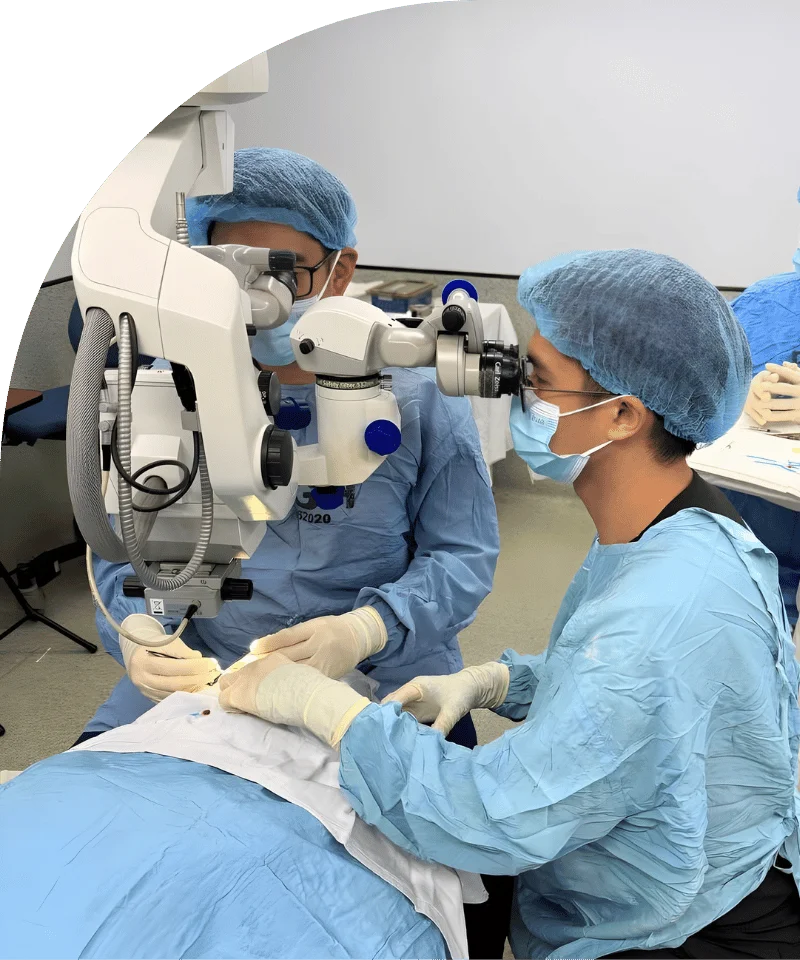
In some cases, comprehensive diabetic foot ulcer management requires surgical or advanced techniques. Surgery may be necessary to remove infected bone, drain abscesses, or correct deformities that cause repeated pressure on the same spot. Skin grafts and tissue substitutes can cover larger ulcers and promote faster closure when standard dressings are insufficient. Vascular surgery, such as bypass or angioplasty, may be recommended for patients with severe circulation problems, restoring blood flow to the affected limb. For advanced cases, limb preservation strategies focus on saving as much healthy tissue as possible while controlling infection. Surgeons collaborate closely with wound care specialists to ensure post-operative healing is supported by effective therapies. These interventions are often the last line of defense against amputation, highlighting the importance of timely referrals to specialized care. With modern surgical advances, many patients achieve better outcomes than in the past.
At-Home and Preventive Care Strategies
Daily routines at home are a vital component of comprehensive diabetic foot ulcer management. Patients are encouraged to wash and dry their feet thoroughly every day, paying close attention to spaces between the toes. Moisturizing helps prevent dry skin that may crack, though care must be taken not to apply lotion between toes where excess moisture could lead to infection. Proper footwear is critical—shoes should be well-fitted, cushioned, and protective against external trauma. Blood sugar monitoring remains essential because well-controlled glucose levels directly improve the body’s healing capacity. Quitting smoking is another powerful step toward prevention, as tobacco severely reduces circulation. Patients who adopt consistent at-home practices often experience fewer complications and better overall foot health. Preventive care is a patient’s first defense against ulcers and plays an equal role alongside medical treatments.
The Role of Multidisciplinary Care
One of the strongest approaches in comprehensive diabetic foot ulcer management is involving a multidisciplinary team. Podiatrists, endocrinologists, vascular surgeons, and wound care nurses work together to address different aspects of the condition. Each professional contributes specialized knowledge, ensuring that patients receive holistic care tailored to their needs. This collaboration helps coordinate treatments, from blood sugar control to surgical interventions. Patients benefit from more accurate diagnoses, faster treatment decisions, and ongoing support throughout the healing process. Education provided by the care team also empowers individuals to take ownership of their health. By working as a unit, multidisciplinary teams significantly reduce the risks of complications and improve long-term outcomes.
Lifestyle Modifications for Long-Term Healing
Beyond medical treatment, lifestyle adjustments are crucial in comprehensive diabetic foot ulcer management. Nutrition plays a direct role in healing; diets rich in vitamins, protein, and minerals support tissue repair. Safe physical activity, such as walking or swimming, promotes circulation without putting too much pressure on vulnerable feet. Weight management is particularly important, as excess weight can increase strain on the lower limbs and worsen circulation. Patients are also encouraged to manage stress, as chronic stress may interfere with glucose control and slow down healing. Psychological support, including counseling, can help patients cope with the challenges of living with a chronic condition. Over time, these lifestyle modifications not only aid in ulcer healing but also reduce the risk of recurrence. Healthy choices form the foundation for sustainable recovery and improved quality of life.
Frequently Asked Questions (FAQ)
How long does it take for a diabetic foot ulcer to heal?
Healing time depends on the size, depth, and presence of infection. Minor ulcers may heal within weeks, while complex cases can take months of specialized care.
Are all ulcers preventable with proper care?
Not all ulcers are preventable, but the risk can be greatly reduced with diligent foot care, blood sugar management, and regular checkups.
When should someone go to the hospital for a foot ulcer?
If there is severe pain, spreading redness, fever, or foul-smelling drainage, immediate medical attention is required to prevent serious complications.
Can home remedies replace medical treatment?
No, home remedies alone are not sufficient. While good hygiene and self-care are important, ulcers require medical evaluation and evidence-based treatments.
What is the long-term outlook for patients with recurrent ulcers?
With consistent preventive care, medical follow-ups, and lifestyle changes, many patients can reduce recurrence and preserve their mobility.