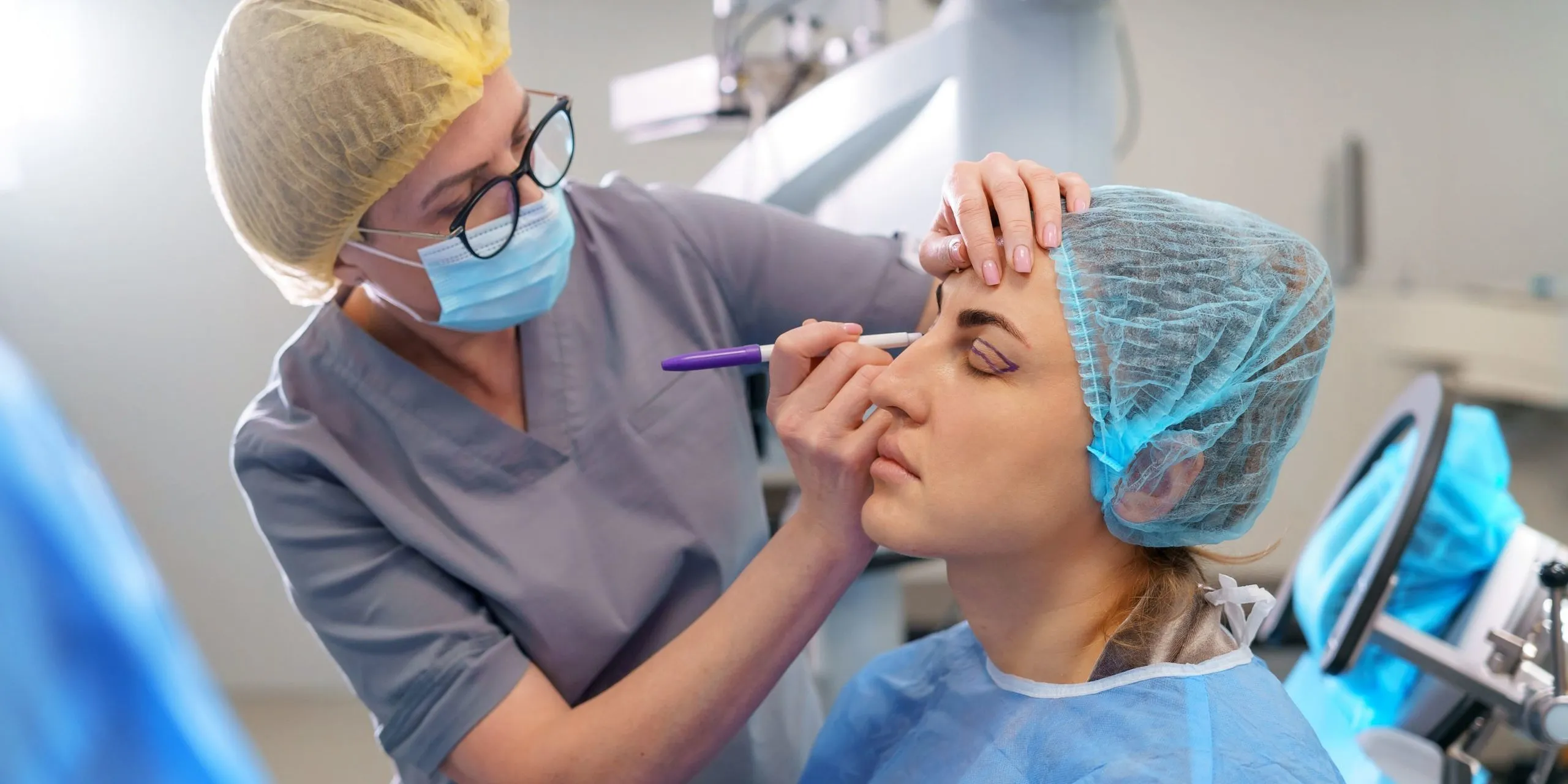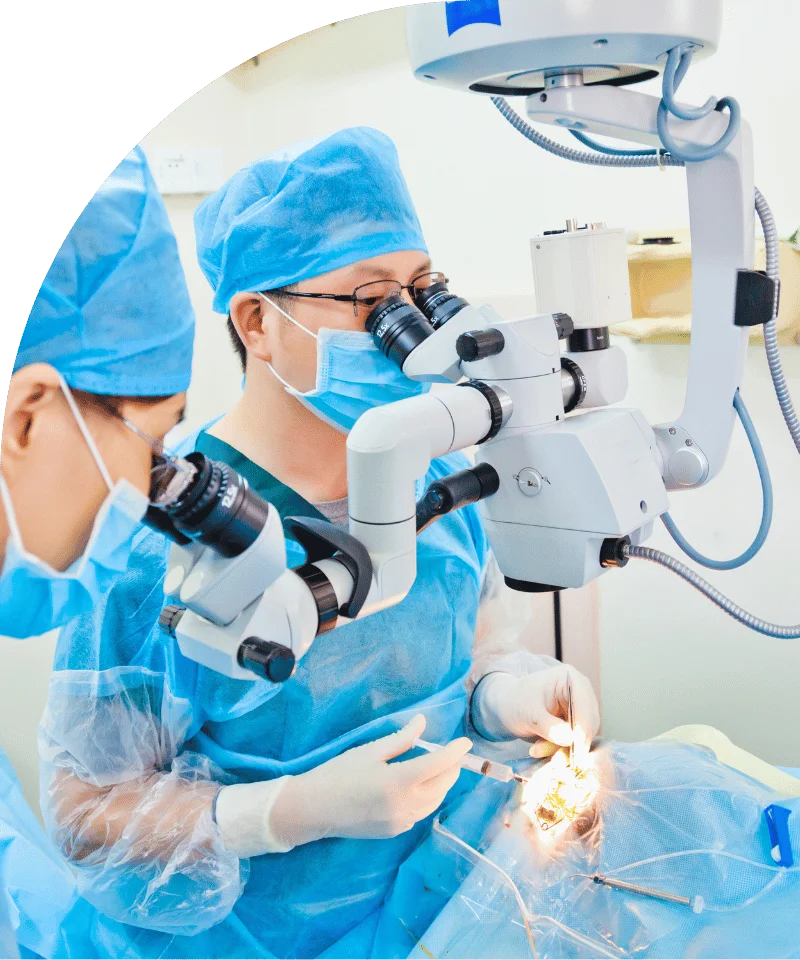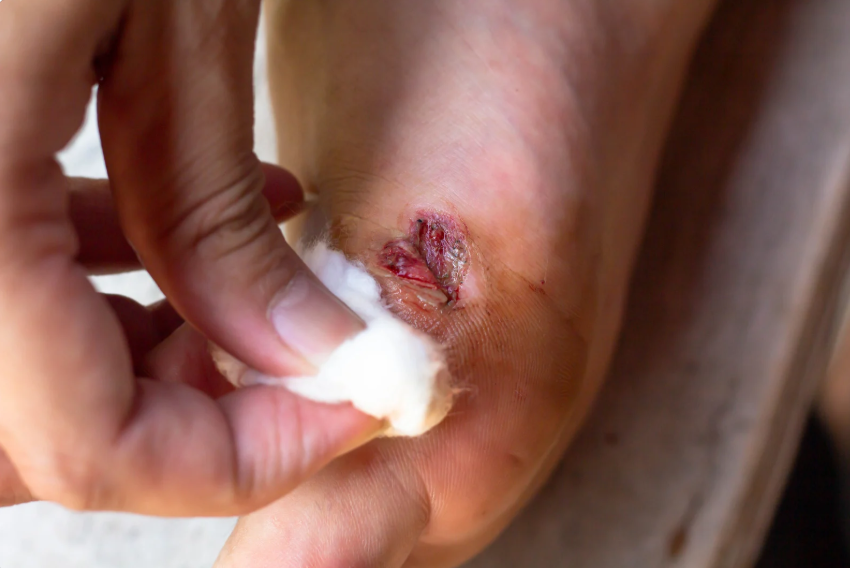
Wound care is an essential aspect of maintaining overall health, especially for patients dealing with chronic wounds, diabetic ulcers, or post-surgical recovery. Many patients and caregivers often confuse debridement procedure with surgical cleaning, but understanding the differences can significantly impact healing outcomes. This guide will explain both procedures, compare their benefits, and highlight why Kalingap Wound Care Clinic is the best choice for professional wound management.
What is a Debridement Procedure?
A debridement procedure is a medical technique aimed at removing dead, damaged, or infected tissue from a wound to promote faster and more effective healing. The procedure is often recommended for chronic wounds, diabetic ulcers, pressure sores, and burns, where non-viable tissue can prevent proper healing or increase infection risk.
There are several types of debridement procedures:
- Sharp debridement uses surgical instruments to precisely remove necrotic tissue.
- Enzymatic debridement employs chemical agents that dissolve dead tissue over time.
- Mechanical debridement involves physical removal through methods like wet-to-dry dressings.
- Autolytic debridement utilizes the body’s own enzymes and moisture-retentive dressings to gradually break down damaged tissue.
The primary benefit of a debridement procedure is that it accelerates wound healing while reducing the likelihood of infection. Patients also experience better tissue preservation and improved overall wound outcomes when the procedure is performed by skilled professionals.
What is Surgical Cleaning?
Surgical cleaning is a less intensive procedure compared to a debridement procedure, focusing mainly on removing surface contaminants, debris, or bacteria from a wound. It is commonly applied to minor cuts, post-operative incisions, or routine wound management to maintain cleanliness and reduce infection risk.
Unlike a debridement procedure, surgical cleaning does not remove deep or necrotic tissue. While it is effective for surface-level maintenance, surgical cleaning may not be sufficient for chronic wounds, infected ulcers, or wounds that require specialized care.
Key Differences Between Debridement Procedure and Surgical Cleaning
Understanding the differences between a debridement procedure and surgical cleaning is essential for determining the appropriate treatment:
| Feature | Debridement Procedure | Surgical Cleaning |
|---|---|---|
| Purpose | Remove dead or infected tissue | Remove surface debris and bacteria |
| Depth | Can involve deep tissue removal | Superficial cleaning only |
| Tools Used | Scalpels, forceps, specialized instruments | Gauze, antiseptics, mild irrigation |
| Procedure Duration | Typically longer and more intensive | Shorter and simpler |
| Recovery Time | Requires monitoring and aftercare | Minimal, often outpatient |
| Professional Expertise | Requires skilled clinicians | Can be performed by general healthcare staff |
The debridement procedure is more comprehensive, making it critical for severe wounds, while surgical cleaning serves as a preventive or maintenance measure.
Recovery and Aftercare
Recovery after a debridement procedure involves careful wound management to prevent infection and encourage healing. Dressing changes, pain management, and follow-up consultations are often necessary. Patients may experience mild discomfort or swelling, which usually resolves within days.
Surgical cleaning typically requires less intensive aftercare, focusing on keeping the wound clean and monitoring for signs of infection. However, for serious wounds, relying solely on surgical cleaning may delay proper healing, emphasizing the importance of professional assessment.
Engaging experts like Kalingap Wound Care Clinic ensures proper post-procedure care. The clinic offers personalized plans tailored to each patient’s condition, ensuring faster healing and reducing the risk of complications.
Risks and Considerations
While both procedures are generally safe, there are risks to consider. Complications from a debridement procedure may include temporary pain, bleeding, or infection if aftercare is not followed correctly. Surgical cleaning carries minimal risks but may not fully address underlying tissue damage, potentially prolonging recovery.
Patient factors such as age, diabetes, immune status, and wound severity influence the choice of procedure. Consulting with experienced clinicians at Kalingap Wound Care Clinic can help determine the most effective treatment plan, minimizing risks and optimizing outcomes.
Why Choose Kalingap Wound Care Clinic
Kalingap Wound Care Clinic specializes in debridement procedures and comprehensive wound management. Their team of skilled professionals ensures precise removal of necrotic tissue, preventing infection and promoting faster healing. The clinic offers state-of-the-art facilities, personalized treatment plans, and expert follow-up care, making it the preferred choice for patients seeking reliable and safe wound care solutions.
Whether you require a debridement procedure for a chronic ulcer or specialized wound care following surgery, Kalingap Wound Care Clinic provides expert guidance and professional support every step of the way.
Takeaway
Understanding the differences between a debridement procedure and surgical cleaning is crucial for effective wound management. A debridement procedure is a specialized, comprehensive approach that accelerates healing and prevents infection, making professional expertise essential. Choosing Kalingap Wound Care Clinic guarantees precise treatment, proper aftercare, and the highest standard of wound management, helping patients achieve faster recovery and better health outcomes.
FAQ
What is the main difference between a debridement procedure and surgical cleaning?
A debridement procedure removes dead or infected tissue to promote healing, while surgical cleaning focuses on surface-level cleaning and infection prevention.
Is a debridement procedure painful?
Some discomfort is normal, but clinicians use local anesthesia or pain management strategies to minimize pain during the procedure.
How long does recovery take after each procedure?
Recovery after a debridement procedure depends on wound severity and can take several days to weeks, whereas surgical cleaning generally requires minimal recovery.
Can surgical cleaning replace a debridement procedure?
No. Surgical cleaning is not sufficient for deep or necrotic wounds. A debridement procedure is necessary for serious wounds to prevent complications.
How do I know which procedure I need?
Consulting professionals at Kalingap Wound Care Clinic ensures accurate assessment and appropriate treatment based on your wound type and overall health.