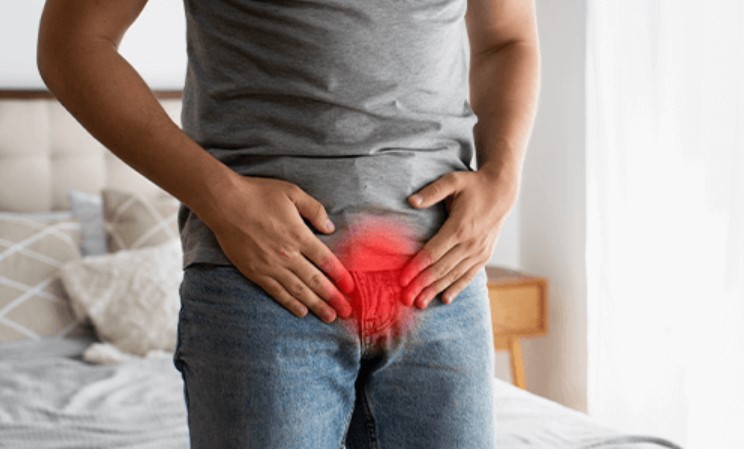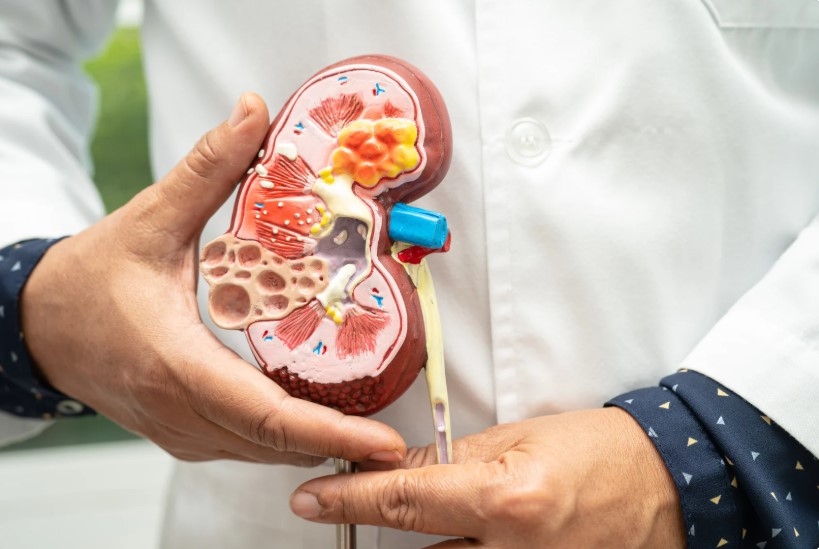
Understanding incontinence is the first step toward regaining control and improving quality of life. Incontinence refers to the involuntary loss of urine or stool, which can range from occasional leaks to frequent, severe episodes. There are several types of incontinence, including stress incontinence, urge incontinence, overflow incontinence, and functional incontinence. Stress incontinence occurs when physical activity, such as coughing or exercising, causes leakage, while urge incontinence involves a sudden, intense need to urinate. Overflow incontinence is associated with incomplete bladder emptying, and functional incontinence happens when mobility or cognitive challenges prevent timely bathroom use. Various factors increase the risk of developing incontinence, including age, pregnancy, obesity, chronic illnesses, and certain medications. Understanding these types and causes allows patients to identify symptoms early and seek appropriate care.
Recognizing when professional help is needed can prevent complications and provide relief from daily struggles. Frequent urinary leakage, difficulty controlling bowel movements, or waking up multiple times at night to urinate are signs that evaluation is necessary. Incontinence can significantly affect sleep quality, work performance, and social interactions, leading to stress, embarrassment, and low self-esteem. Sometimes, underlying medical conditions such as diabetes, neurological disorders, or infections may worsen incontinence, making timely assessment crucial. Ignoring symptoms can also result in skin irritation, urinary tract infections, or more serious health issues. Seeking care early ensures that treatment options are tailored to the patient’s unique needs. Professional evaluation provides not only physical solutions but also emotional support to improve overall well-being.
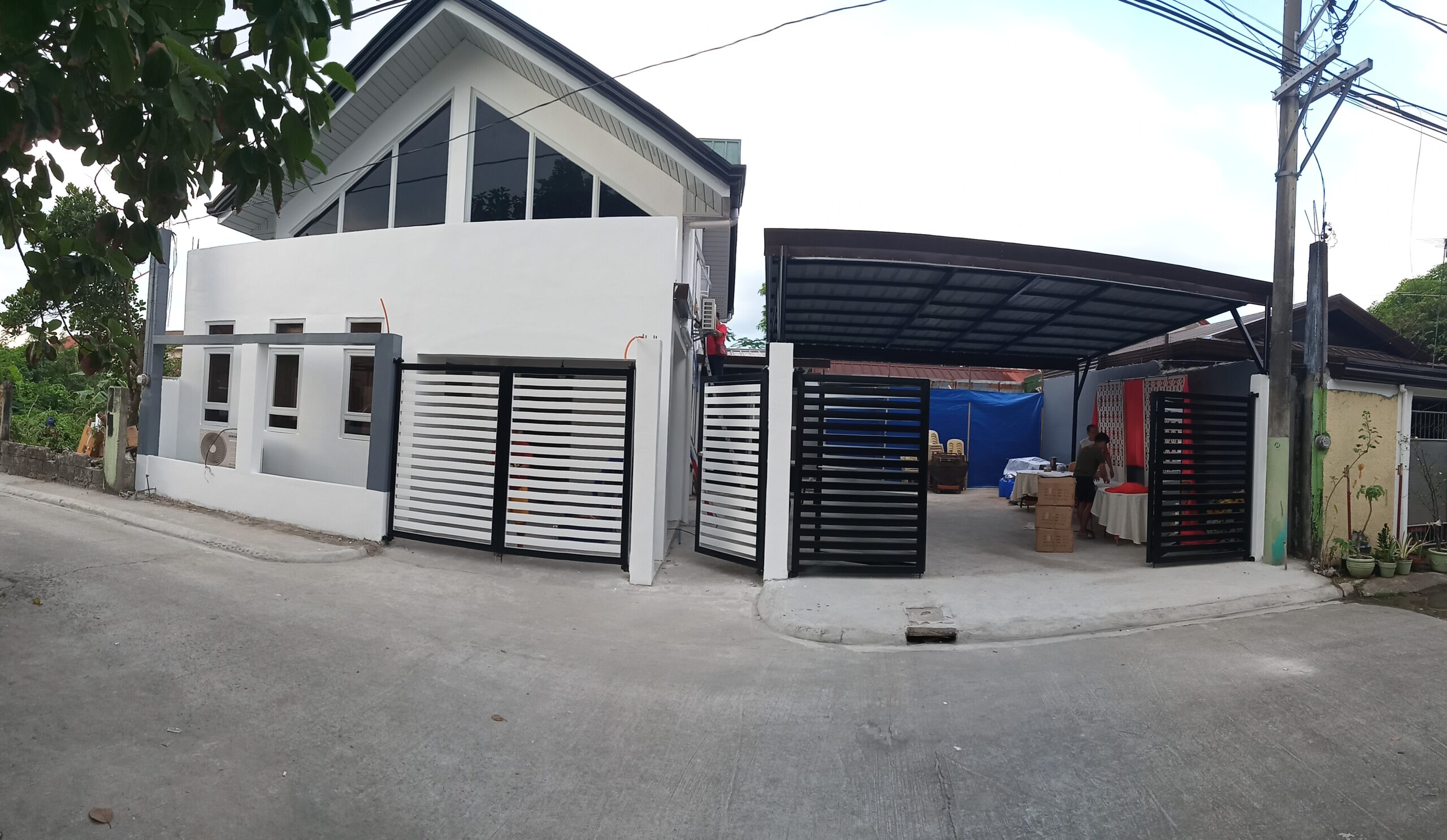
Pro-Create Multi-Specialty Clinic in Cabanatuan City offers a comprehensive approach to incontinence care, combining medical expertise and patient-centered attention. Led by Dr. Sid Sergio, a skilled specialist in managing urinary and fecal incontinence, the clinic emphasizes personalized treatment plans. Patients receive thorough assessments that consider their medical history, lifestyle, and personal goals. The clinic’s multidisciplinary team ensures that treatment extends beyond symptom management to include emotional and social support. Comfort, privacy, and dignity are prioritized in every consultation and procedure. Pro-Create’s reputation for excellence in Cabanatuan City makes it a trusted destination for those seeking effective incontinence treatment. Patients benefit from advanced diagnostic tools and modern treatment options under the supervision of experienced clinicians.
Diagnosing incontinence involves a detailed and structured evaluation process. The first step is a comprehensive review of the patient’s medical history, including lifestyle habits, previous surgeries, and medications. Physical examination assesses pelvic floor strength, neurological function, and abdominal health. Specialized tests such as urinalysis, bladder scans, and urodynamic studies help identify the type and severity of incontinence. Patients may be asked to maintain a bladder diary, noting frequency, fluid intake, and incidents of leakage. Imaging studies, including ultrasounds or MRI scans, are used to detect structural abnormalities or bladder dysfunction. Accurate diagnosis ensures that treatment is precise, effective, and tailored to the individual’s condition.
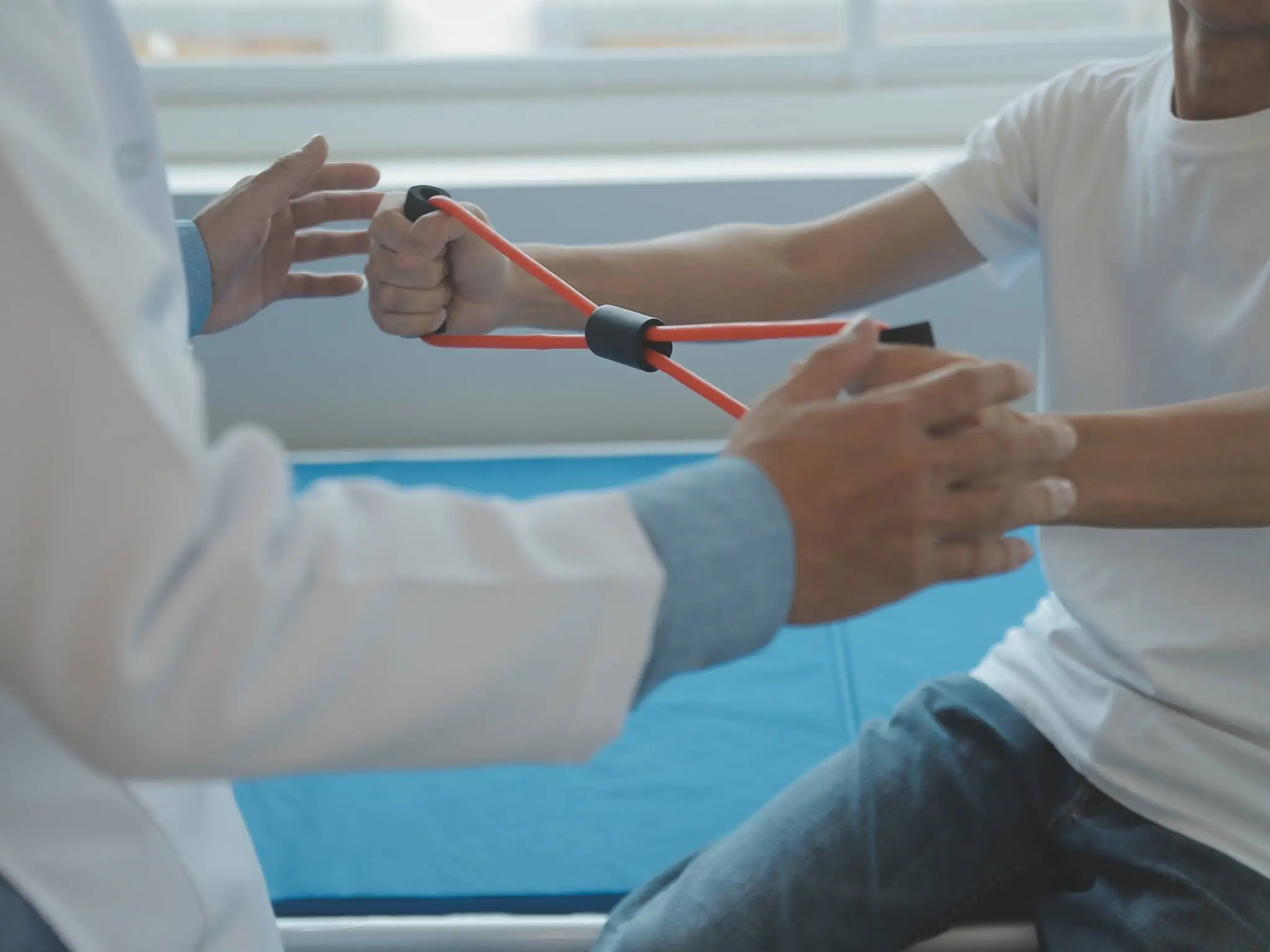
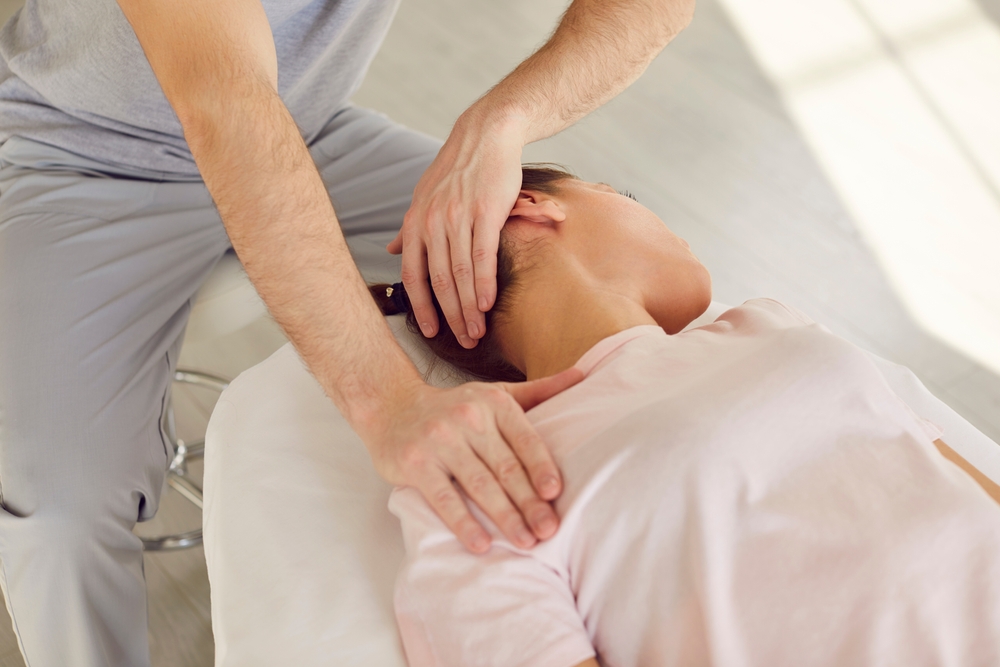
Treatment for incontinence is highly personalized, ranging from lifestyle modifications to advanced medical procedures. Behavioral interventions often serve as the first line of management. These include bladder training, scheduled bathroom visits, and fluid management to reduce urgency and frequency. Pelvic floor exercises strengthen muscles that control urination and bowel movements, often resulting in significant improvement. Medication may be prescribed to manage symptoms, particularly for urge incontinence or overactive bladder. Minimally invasive procedures, such as Botox injections or sling surgery, are options for patients who do not respond to conservative methods. Physical therapy programs focusing on core and pelvic stability further enhance bladder control. Patients may also receive guidance on using incontinence products and adaptive tools for daily management.
Daily management and preventive strategies are essential to maintain improvement and prevent worsening of symptoms. Simple lifestyle changes, such as reducing caffeine and alcohol intake, maintaining a healthy weight, and staying hydrated, contribute to better bladder control. Regular pelvic floor exercises, often guided by a physical therapist, reinforce muscle strength and prevent recurrence of leakage. Proper hygiene and skin care prevent irritation and infections associated with frequent accidents. Patients can also implement bladder training routines to gradually increase the time between bathroom visits. Stress management, adequate sleep, and a balanced diet further support overall health and improve outcomes. Maintaining consistent routines helps patients regain confidence and independence in their daily lives.
Emotional and social well-being play a critical role in incontinence care. Living with incontinence can lead to feelings of embarrassment, anxiety, and social withdrawal. Open discussions with healthcare providers, family members, or support groups reduce stigma and encourage proactive management. Counseling may be recommended to address stress and improve coping strategies. Support networks provide reassurance, practical tips, and shared experiences that help patients adjust to lifestyle changes. Focusing on mental health complements medical treatment, leading to a holistic approach to wellness. Patients are empowered to regain control over their lives while maintaining dignity and self-esteem.
Patients at Pro-Create Multi-Specialty Clinic experience comprehensive care that combines advanced medical treatment with ongoing support. Each treatment plan is designed to address the patient’s unique condition and lifestyle needs. The clinic’s multidisciplinary team ensures continuous monitoring, adjustments to therapy, and guidance on preventive measures. Patients receive education on pelvic floor exercises, dietary advice, and coping strategies to manage daily challenges. Access to specialized nursing care and rehabilitation support enhances recovery and quality of life. Dr. Sid Sergio and his team prioritize comfort, safety, and privacy during all assessments and procedures. The clinic’s patient-centered approach ensures that treatment is effective, compassionate, and sustainable.
Frequently Asked Questions
- What are the most effective treatments for urinary incontinence?
Effective treatments depend on the type and severity of incontinence and may include pelvic floor exercises, bladder training, medications, minimally invasive procedures, or surgery. - Can incontinence be completely cured?
In many cases, especially with early intervention and proper treatment, symptoms can be significantly reduced or resolved, but long-term management may be necessary for some patients. - Are there non-surgical options for managing incontinence?
Yes, lifestyle modifications, physical therapy, bladder training, and medications are often effective and are considered first-line treatments. - How long does it take to see improvement with treatment?
Improvement timelines vary based on the type of incontinence and chosen treatment, but patients may notice changes within weeks to months with consistent adherence. - When should I schedule a consultation with Dr. Sid Sergio?
Anyone experiencing frequent leakage, urgency, or difficulty controlling bladder or bowel movements should seek professional evaluation as soon as possible.
Takeaway
Incontinence treatment at Pro-Create Multi-Specialty Clinic in Cabanatuan City provides a holistic approach to regaining control and improving quality of life. With the expertise of Dr. Sid Sergio, patients receive personalized care tailored to their specific condition and lifestyle. Combining advanced diagnostics, targeted treatments, emotional support, and preventive strategies ensures long-lasting improvement. Understanding incontinence, recognizing early signs, and taking proactive steps empower patients to live confidently and comfortably. Comprehensive care, guided by compassion and medical excellence, allows individuals to manage incontinence effectively while maintaining dignity and independence.