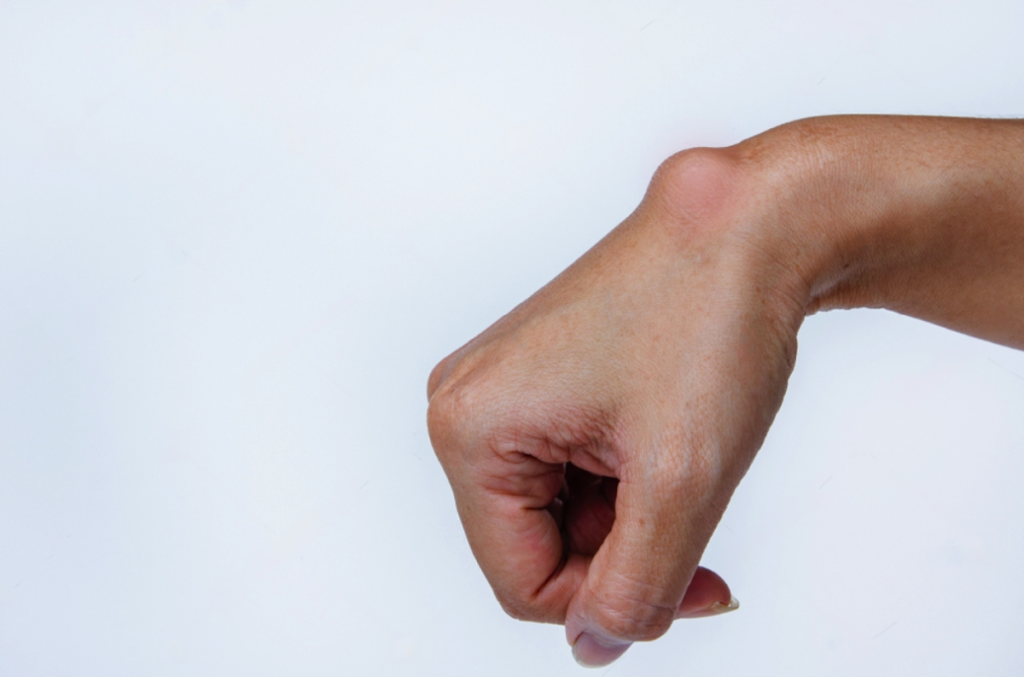
Ganglion cysts are small, fluid-filled lumps that commonly appear around the wrist, hand, or fingers. While they are typically noncancerous, they can sometimes cause pain, discomfort, or limited mobility. These cysts form when synovial fluid leaks from a joint or tendon sheath and collects in a sac under the skin. Repetitive joint movements, injuries, or inflammation may increase the risk of developing these cysts. Many patients notice a round or oval lump that can change size over time. Some cysts remain painless, but others can press on nearby nerves, causing tingling, weakness, or numbness. Understanding the nature of ganglion cysts is essential for anyone considering treatment in Manila.
Not every cyst requires surgical removal. Observation is often sufficient for painless cysts that do not interfere with daily life. Splinting or immobilization may help relieve discomfort caused by movement. Aspiration, where a doctor drains the cyst with a needle, can provide temporary relief, although the cyst may return. Surgery becomes necessary when conservative treatments fail, the cyst causes significant pain, or daily activities are affected. Recognizing these signs early can help patients seek timely medical advice. Selecting a qualified surgeon and reputable hospital in Manila ensures the procedure is safe and effective.
Types of Ganglion Cyst Surgery
Patients seeking ganglion cyst surgery in Manila typically encounter two main approaches: open excision and arthroscopic surgery.
- Open Excision Surgery: This traditional method involves making a small incision over the cyst to remove it entirely. Surgeons often remove a portion of the surrounding joint capsule or tendon sheath to reduce recurrence risk.
- Arthroscopic Surgery: A minimally invasive approach using small incisions and a tiny camera to remove the cyst. This method generally results in smaller scars, less pain, and faster recovery.
Choosing the right method depends on cyst size, location, and patient preference. Open surgery is better for larger or more complex cysts, while arthroscopy is ideal for smaller cysts or those seeking a quicker recovery. Both approaches aim to restore joint function, relieve pain, and minimize the chances of the cyst returning. Discussing the options with a surgeon helps patients make informed decisions about their care.
Preparing for Surgery
Proper preparation can significantly impact surgical success and recovery. Patients usually undergo pre-operative evaluations such as blood tests, imaging studies, and a review of medical history. Selecting an experienced surgeon and a reputable hospital in Manila is crucial. Patients should disclose medications, allergies, and medical conditions to avoid complications. Mental preparation is also essential; understanding the procedure, potential risks, and recovery timeline reduces anxiety. Lifestyle adjustments like eating a balanced diet, avoiding smoking, and maintaining physical activity support healing. Finally, arranging post-surgery support and transportation ensures a smooth recovery process.
What to Expect During Surgery
During ganglion cyst surgery, anesthesia ensures the patient remains comfortable. In open excision, the surgeon makes an incision over the cyst and removes it along with part of the surrounding tissue to minimize recurrence. Arthroscopic surgery uses small incisions and specialized instruments guided by a tiny camera to remove the cyst with minimal tissue disruption. The procedure generally lasts between 30 minutes and an hour. After surgery, the incision is closed, and the area is protected with a bandage or splint. Pain management and infection prevention are priorities immediately following surgery. Understanding what happens during the procedure helps patients feel more at ease.
Recovery and Rehabilitation
Recovering from ganglion cyst surgery in Manila involves following post-operative instructions closely. Swelling and mild discomfort are common in the first few days, and pain can usually be managed with prescribed medications. Keeping the surgical site clean and dry is crucial to prevent infection. Physical therapy may be recommended to restore strength, mobility, and flexibility in the affected joint. Patients should avoid heavy lifting or repetitive activities until cleared by their surgeon. Follow-up appointments are necessary to monitor healing and detect any early signs of recurrence. Awareness of potential complications, such as stiffness, nerve irritation, or infection, ensures timely medical intervention. Maintaining joint health through preventive exercises supports long-term recovery.
Costs and Accessibility
The cost of ganglion cyst surgery in Manila varies depending on the type of procedure, hospital, surgeon, and additional medical requirements. Open excision may be more expensive due to longer hospital stays, while arthroscopic surgery can save time and reduce recovery-related expenses. Insurance coverage can help offset costs, but patients should confirm what is included. Many hospitals offer installment or financing options for those without insurance. Choosing a hospital with experienced surgeons and modern facilities ensures safe and effective care. Considering success rates, patient reviews, and hospital amenities can guide the selection process. Understanding costs ahead of time allows patients to plan and reduce financial stress.
Life After Surgery
Post-surgery life involves gradually returning to daily activities and maintaining joint health. Light activities can often resume within a few weeks, while full recovery may take several months. Physical therapy exercises help restore mobility, prevent stiffness, and strengthen the affected joint. Preventing recurrence involves avoiding repetitive strain, practicing ergonomic techniques, and monitoring joint function regularly. Regular check-ups allow early detection of any new symptoms or complications. Adopting a joint-friendly lifestyle and strengthening exercises promotes long-term wellness. Being aware of changes in the surgical site ensures prompt attention to potential issues.
Frequently Asked Questions (FAQ)
Can ganglion cysts come back after surgery?
Yes, recurrence is possible if the cyst or its stalk is not completely removed. Proper surgical techniques reduce the risk.
How painful is ganglion cyst surgery?
Anesthesia ensures minimal pain during surgery. Post-operative discomfort is typically manageable with medication.
When can I use my hand normally again?
Most patients regain normal hand function within 4 to 6 weeks, with full strength returning over several months.
Are there risks associated with anesthesia?
Anesthesia is generally safe, but minor risks exist. Your surgeon will review these during the pre-operative consultation.
How do I choose the best surgeon or hospital in Manila?
Consider the surgeon’s experience, patient reviews, hospital quality, success rates, and accessibility when making a choice.
Takeaway
Ganglion cyst surgery in Manila is a reliable solution for patients experiencing pain, discomfort, or limited joint function. Proper preparation, careful selection of surgical approach, and diligent post-operative care are key to achieving a successful outcome. By understanding the procedure, recovery process, and preventive measures, patients can regain mobility, reduce the risk of recurrence, and enjoy improved joint health for daily activities.