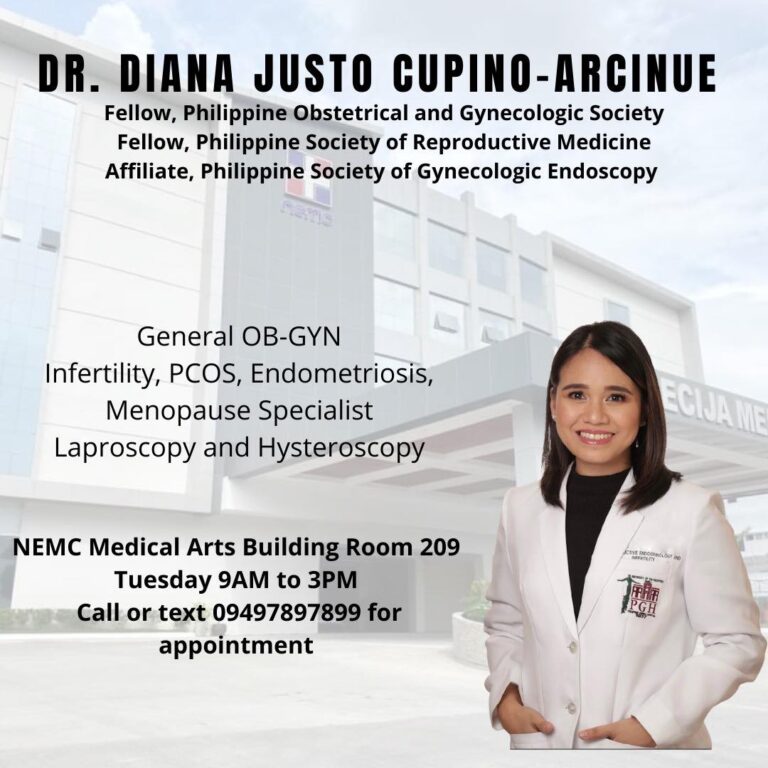
Fertility treatment has become an essential part of reproductive healthcare for couples and individuals experiencing challenges in conceiving. Struggling with infertility can be emotionally overwhelming, but understanding available options, advancements in reproductive medicine, and seeking care from a trusted specialist can provide hope and effective solutions. Pro-Create Fertility and OB-GYN Clinic in Cabanatuan City, Nueva Ecija, is led by Dr. Diana Arcinue, a certified infertility specialist with international training. The clinic is committed to delivering accessible, high-quality, and compassionate care to women and families at every stage of their reproductive journey.
Fertility treatment encompasses a variety of medical interventions designed to support conception and address underlying causes of infertility. Couples may face delays in conceiving due to hormonal imbalances, uterine abnormalities, polycystic ovary syndrome (PCOS), endometriosis, age-related fertility decline, or male factors such as low sperm count. By working with a specialist in reproductive endocrinology, patients can receive a personalized evaluation and treatment plan tailored to their unique circumstances.
Understanding Fertility and Infertility
Fertility refers to the natural ability to conceive and carry a pregnancy to term. A person’s fertility can be influenced by age, overall health, lifestyle factors, and underlying medical conditions. Fertility treatment becomes necessary when natural conception proves difficult despite regular, unprotected sexual activity over a period of time.
Infertility is defined as the inability to conceive after twelve months of regular attempts. Primary infertility occurs when an individual has never conceived, while secondary infertility develops when a person has difficulty conceiving after a previous pregnancy. Common causes of infertility include hormonal disorders such as PCOS, structural issues like uterine anomalies or endometriosis, diminished ovarian reserve, ovulation problems, and male factors such as low sperm quality or quantity. Understanding the root cause is a critical first step in determining which fertility treatment options will be most effective.
When to Seek Fertility Treatment
Recognizing the signs that indicate a need for fertility treatment can make a significant difference in achieving successful outcomes. Women under the age of 35 are generally advised to seek medical evaluation after twelve months of attempting to conceive without success. For women over 35 or individuals with known risk factors, a consultation should occur after six months. Early intervention is especially important for those with irregular menstrual cycles, history of recurrent pregnancy loss, or diagnosed reproductive conditions such as PCOS or endometriosis.
Seeking fertility treatment also involves addressing male infertility factors, which can include low sperm count, poor motility, or structural issues. Couples benefit from comprehensive evaluations that consider both partners’ reproductive health to ensure accurate diagnosis and personalized treatment planning.
Fertility Treatment Options
Fertility treatment offers multiple options depending on the underlying cause of infertility. These treatments range from less invasive methods like ovulation induction to advanced assisted reproductive technologies such as in vitro fertilization (IVF). Each option is tailored to the patient’s individual needs and reproductive goals.
Ovulation Induction
Ovulation induction is a common fertility treatment for women who experience irregular ovulation or anovulation, often associated with conditions like PCOS. Medications such as clomiphene citrate or injectable hormones stimulate the ovaries to release eggs during a controlled menstrual cycle. Fertility specialists monitor hormone levels and follicle development through blood tests and ultrasound imaging to optimize the chances of conception. Ovulation induction is often combined with timed intercourse or intrauterine insemination (IUI) for improved outcomes. This fertility treatment is considered a first-line approach for women with hormonal imbalances and is typically cost-effective and less invasive than advanced procedures.
Intrauterine Insemination (IUI)
IUI is a minimally invasive fertility treatment designed to increase the likelihood of sperm reaching the egg for fertilization. The procedure involves placing prepared sperm directly into the uterus during the ovulation window, increasing the chances of successful conception. IUI is ideal for couples with mild male factor infertility, unexplained infertility, or ovulation issues. Success rates vary depending on age, sperm quality, and underlying conditions. Fertility specialists carefully plan the timing of IUI in combination with ovulation induction medications to maximize effectiveness. This treatment offers a less complex and more affordable alternative to IVF while still delivering promising results for many couples.
In Vitro Fertilization (IVF)
IVF is an advanced fertility treatment that involves retrieving eggs from the ovaries, fertilizing them with sperm in a laboratory setting, and transferring embryos into the uterus. This treatment is recommended for individuals with severe infertility, endometriosis, diminished ovarian reserve, blocked fallopian tubes, or male factor infertility. IVF requires careful coordination, including ovarian stimulation, egg retrieval, laboratory fertilization, embryo monitoring, and embryo transfer. Success rates are influenced by age, ovarian response, and embryo quality. IVF offers hope for couples who have not achieved conception through less invasive fertility treatments and is often complemented by supportive interventions like intracytoplasmic sperm injection (ICSI) or preimplantation genetic testing (PGT) when indicated.
Advanced Reproductive Technologies
In addition to conventional IVF, advanced reproductive technologies provide solutions for complex infertility cases. ICSI involves injecting a single sperm directly into an egg to improve fertilization rates, especially in severe male infertility. PGT allows genetic screening of embryos to identify chromosomal abnormalities before implantation, enhancing the likelihood of a successful pregnancy. Donor eggs or sperm can also be used when fertility challenges involve compromised gametes. These fertility treatments expand options for individuals and couples, ensuring personalized care based on medical needs and reproductive goals.
Supporting Treatments and Health Management
Optimizing reproductive health plays a crucial role in the success of fertility treatment. Lifestyle factors such as maintaining a healthy weight, balanced nutrition, managing stress, and avoiding harmful substances contribute significantly to fertility. Fertility specialists may recommend additional supportive measures including hormonal therapy, minimally invasive surgeries, or medical management of conditions like PCOS, endometriosis, or uterine anomalies. Proper preparation of the body before undergoing fertility treatment can enhance outcomes and improve overall reproductive health.
Why Choose Pro-Create Fertility and OB-GYN Clinic
Pro-Create Fertility and OB-GYN Clinic stands out as a trusted center for fertility treatment in Cabanatuan City, Nueva Ecija. Dr. Diana Arcinue, MD, FPOGS, FPSRM, leads the clinic, bringing expertise in reproductive endocrinology, international training, and a patient-centered approach. The clinic’s modern facilities include a dedicated Fertility & OB-GYN Center, Multi-Specialty Clinic, and Medical & Diagnostic Center, providing comprehensive care under one roof. Patients benefit from advanced technology, personalized treatment plans, and compassionate support throughout their fertility journey. The clinic emphasizes accessibility, affordability, and excellence, ensuring every individual or couple receives the best possible care for achieving their reproductive goals.
Preparing for Your Fertility Journey
Starting a fertility treatment journey involves several key steps. During the first consultation, patients undergo a thorough evaluation, including medical history, physical examination, and diagnostic testing. Common tests include hormone level assessments, ultrasound imaging, ovarian reserve evaluation, and semen analysis for male partners. Based on the results, the fertility specialist develops a personalized treatment plan that may include ovulation induction, IUI, IVF, or other advanced reproductive technologies. Open communication with the healthcare team and understanding the treatment process can empower patients to make informed decisions and feel confident throughout their fertility journey.
Takeaway
Fertility treatment provides hope and effective solutions for individuals and couples facing infertility challenges. Pro-Create Fertility and OB-GYN Clinic in Cabanatuan City offers comprehensive care led by Dr. Diana Arcinue, combining advanced reproductive technologies, personalized treatment plans, and compassionate support. Whether pursuing ovulation induction, IUI, IVF, or other assisted reproductive methods, patients receive expert guidance and holistic care designed to optimize outcomes. Fertility treatment is not just a medical intervention; it is a journey toward fulfilling dreams of parenthood, supported by a clinic that values accessibility, excellence, and patient-centered care. Contact Pro-Create Clinic today to begin your fertility journey and take the first step toward realizing your family goals.
Frequently Asked Questions (FAQ)
How long does fertility treatment take?
The duration varies depending on the type of treatment. Ovulation induction and IUI may take a few cycles, while IVF may require several months from initial evaluation to embryo transfer. Each patient’s treatment plan is personalized based on medical needs.
Is IVF painful?
IVF involves minimally invasive procedures such as egg retrieval and embryo transfer. Patients may experience mild discomfort or cramping, which can be managed with medication and support from the medical team.
Can I conceive naturally after fertility treatment?
In some cases, couples may achieve natural conception after undergoing fertility treatment, particularly if underlying issues are corrected. Fertility specialists can provide guidance on post-treatment reproductive health.
What are the costs of fertility treatment at Pro-Create Clinic?
Pro-Create Clinic offers affordable fertility treatment options without compromising quality. Costs vary depending on the type of procedure, medications, and diagnostics required. Patients are encouraged to consult with the clinic for detailed cost estimates.
Are fertility treatments safe?
Fertility treatments at Pro-Create Clinic are conducted by experienced specialists using advanced technology and evidence-based protocols. Safety and patient well-being are prioritized at every stage of care.
Can men participate in fertility evaluation and treatment?
Yes, male partners are actively involved in fertility assessments, including semen analysis and treatment planning. Male factor infertility is addressed through interventions such as IUI, IVF, or advanced reproductive technologies.
What factors affect fertility treatment success?
Age, overall health, reproductive conditions, lifestyle, and adherence to treatment protocols all influence outcomes. Personalized treatment and consistent follow-up can improve the chances of successful conception.