What General Orthopedics Covers: A Full-Body Approach to Musculoskeletal Health
General Orthopedics focuses on diagnosing, treating, and preventing conditions that affect the bones, joints, muscles, ligaments, and tendons. It provides complete care for people of all ages, addressing everything from minor sprains to long-term degenerative conditions. Many individuals seek an orthopedic specialist because persistent pain or movement limitations can significantly affect daily life. With a broad scope of expertise, orthopedic physicians work to restore mobility, reduce discomfort, and help patients return to their regular routines. General Orthopedics is built on a deep understanding of how the body moves, adapts, and heals. Whether a patient is recovering from an injury or managing a chronic condition, the goal of orthopedic care is to help regain strength and function safely. This branch of medicine plays a major role in long-term health because it supports the body’s structure and essential movements.
Common Conditions Treated in General Orthopedics
Joint Conditions
Joint conditions are one of the top reasons patients seek help from General Orthopedics. Issues such as osteoarthritis can cause persistent pain and stiffness that worsens with age. Injuries to the ligaments or cartilage may also result in reduced stability and mobility. Tendinitis and bursitis occur frequently in active individuals or those whose jobs require repetitive movement. These conditions often affect major joints like the knees, shoulders, hips, and elbows. Without proper care, joint problems can escalate and impact quality of life. Orthopedic specialists provide targeted treatments that reduce symptoms and prevent further joint degeneration.
Bone Disorders
General Orthopedics also addresses issues involving the bones, which are essential to overall structural support. Fractures are among the most common orthopedic emergencies, whether they are caused by falls, accidents, or sports activities. Stress fractures may occur when the bones experience repetitive strain, especially in athletes and physically active adults. Bone deformities, congenital structural problems, and alignment issues may also require orthopedic evaluation. Proper care ensures bones heal correctly and maintain long-term functionality. These conditions are handled with precision to reduce complications and restore strength. Orthopedic providers ensure patients receive personalized support to promote optimal bone health.
Muscle and Soft Tissue Problems
Muscle strains, sprains, and soft-tissue injuries frequently bring people to an orthopedic clinic. These conditions affect mobility and make simple tasks more difficult. Muscles and soft tissues are essential for proper joint movement and stability. When they become injured, discomfort and limited movement often interfere with daily activities. Some soft-tissue problems develop slowly due to overuse, while others occur suddenly from accidents or sports. General Orthopedics helps patients regain strength, flexibility, and comfort through carefully planned treatments. Proper evaluation ensures the correct tissues are targeted for healing and recovery.
What to Expect During an Orthopedic Evaluation
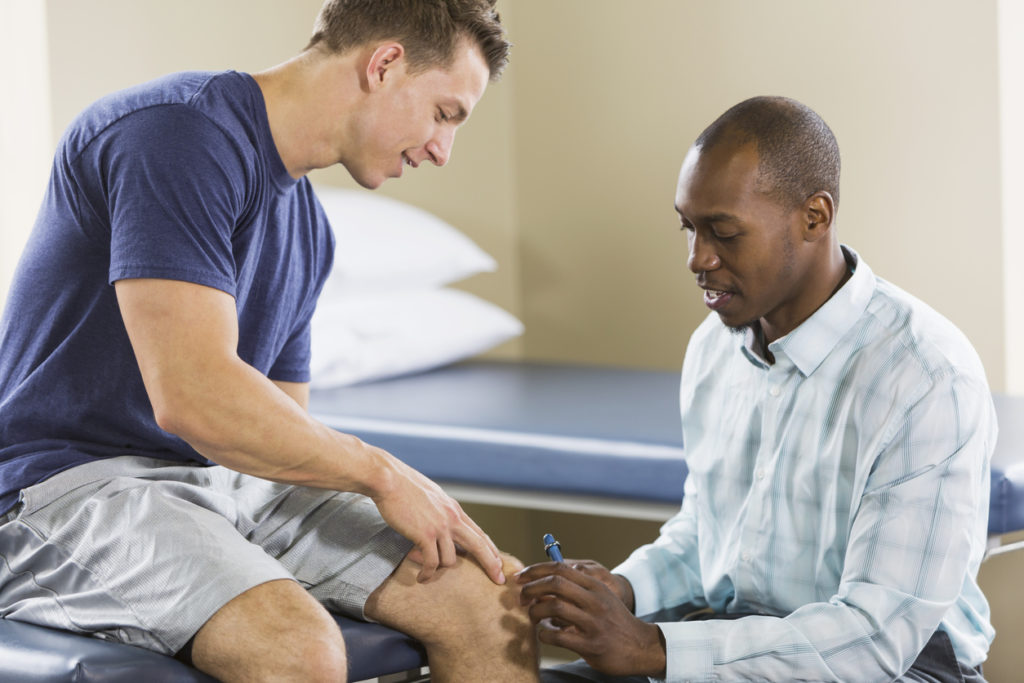
An orthopedic evaluation is a thorough and patient-focused process designed to understand the root cause of musculoskeletal problems. It begins with a detailed conversation regarding symptoms, medical history, lifestyle habits, and daily activities. Orthopedic specialists then perform a physical assessment to check range of motion, posture, strength, and how the affected area responds to movement. Imaging tests such as X-rays, MRI, or ultrasound may be recommended to get a clearer view of internal structures. The evaluation allows the doctor to identify which tissues are affected and what treatment strategies work best. This step helps create a tailored care plan. General Orthopedics places great importance on accurate diagnosis because it determines long-term recovery success.
Non-Surgical Treatments in General Orthopedics
Physical Therapy and Rehabilitation
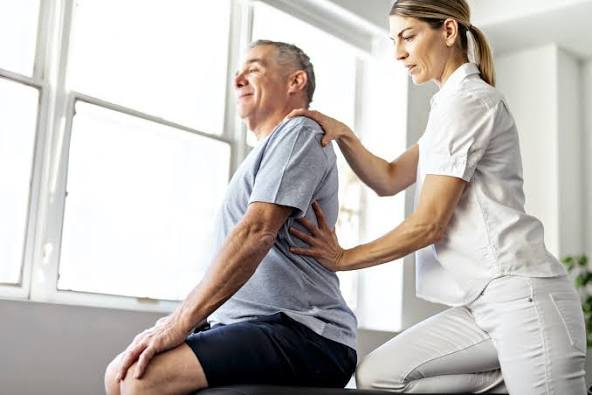
Physical therapy is a cornerstone of conservative orthopedic care and is often the first recommended approach for many conditions. It strengthens weak muscles and improves joint mobility while reducing pain. Therapists create customized exercise plans targeting specific problem areas. Through structured rehabilitation, the body gradually regains balance, flexibility, and endurance. This step is essential for preventing future injuries and ensuring long-term musculoskeletal health. Many patients experience major improvements without needing surgery when adhering to a therapy plan. General Orthopedics encourages continued movement as part of recovery instead of relying solely on rest.
Medication and Pain Management
Medications play an important role in managing orthopedic conditions, especially when pain disrupts daily routines. Anti-inflammatory medicines help reduce swelling and discomfort associated with injuries or degenerative conditions. Pain relievers may be recommended temporarily to ease acute symptoms. Orthopedic specialists often combine medication with other treatments such as therapy or bracing. This well-rounded approach helps patients achieve faster and more comfortable recovery. Medication is rarely used as the only solution but serves as a supportive tool for healing. General Orthopedics focuses on using medications responsibly and effectively.
Supportive Orthopedic Devices
Supportive devices are commonly used to protect injured areas and promote healing. Braces help stabilize joints, while splints and casts support fractured bones. These devices reduce unnecessary movement and allow tissues to recover safely. Patients often use assistive items like canes or crutches during rehabilitation. Supportive devices make mobility safer and help prevent further injury. Orthopedic specialists carefully select the right device based on each patient’s condition. These tools are an essential part of many treatment plans in General Orthopedics.
Lifestyle and Activity Modifications
General Orthopedics also emphasizes lifestyle changes to improve musculoskeletal health. Proper posture and ergonomics help prevent discomfort during work and daily activities. Regular exercise maintains muscle strength and joint flexibility, reducing strain. Patients are often encouraged to adopt healthier habits that support long-term wellness. Activity modifications may also include avoiding repetitive tasks that worsen symptoms. Orthopedic doctors guide patients in setting realistic activity levels to prevent injury. Implementing these adjustments greatly improves overall mobility and comfort.
Surgical Options Within General Orthopedics
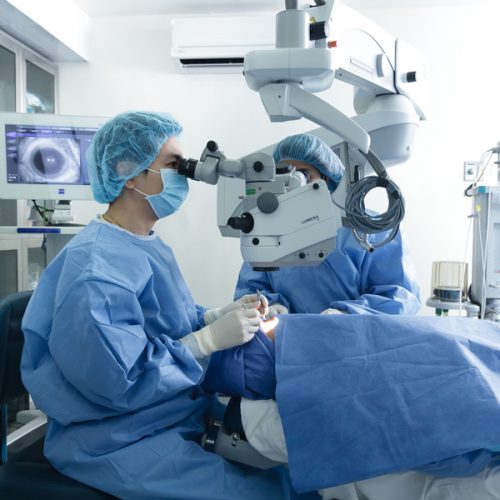
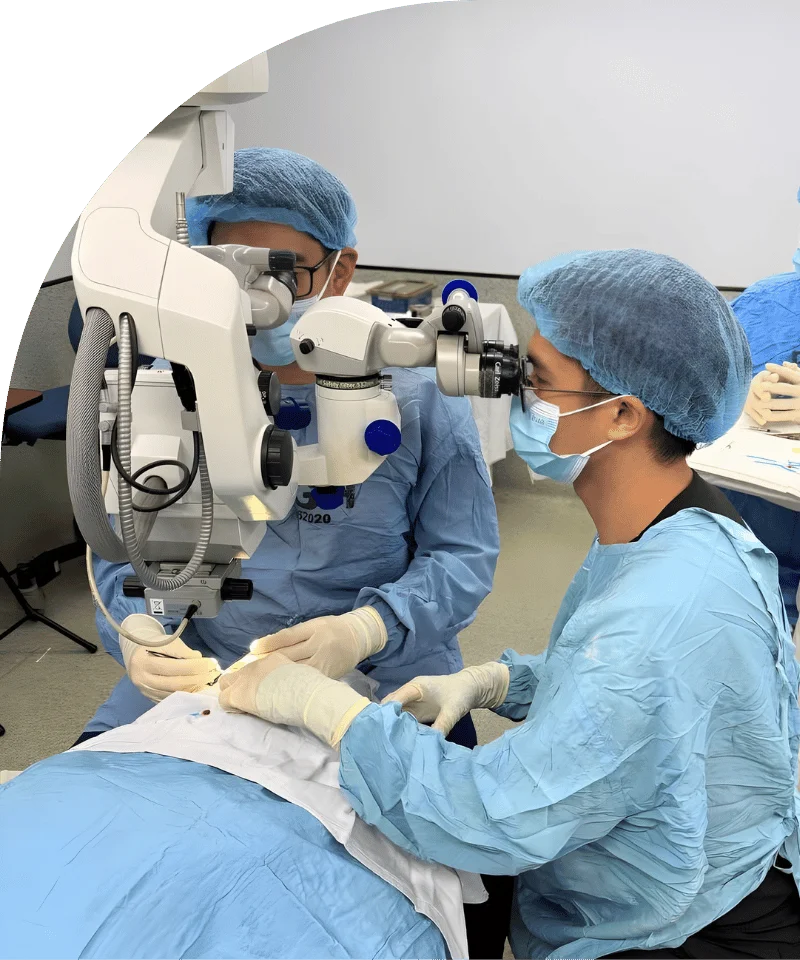
While many patients improve without surgery, some cases require surgical intervention to restore proper function. Orthopedic surgery may include repairing torn ligaments, stabilizing fractures, or removing damaged tissue. Minimally invasive techniques such as arthroscopy are often used to reduce recovery time. Surgery may also realign bones or correct structural issues that cannot heal on their own. Modern orthopedic procedures focus on precision and efficient healing. Surgeons work closely with patients to ensure they fully understand their treatment choices. The goal of surgery in General Orthopedics is to restore movement and reduce long-term pain.
The Role of Preventive Orthopedic Care
Preventive care is one of the most valuable aspects of General Orthopedics. It helps patients avoid injuries and manage chronic conditions before they worsen. Regular checkups allow orthopedic specialists to detect early signs of musculoskeletal issues. Maintaining strong bones and muscles through exercise supports long-term mobility. Prevention also includes safe lifting practices, ergonomic workspaces, and balanced nutrition. These steps help protect the body during daily activities. Orthopedic care promotes long-lasting wellness rather than just treating problems as they arise.
Bullet List: Essential Components of Orthopedic Wellness
• Consistent physical activity
• Strong muscular support
• Healthy posture habits
• Safe movement patterns
• Regular orthopedic evaluations
How General Orthopedics Supports All Age Groups
Different age groups have unique orthopedic needs, and General Orthopedics addresses each with tailored care. Children may experience growth-related issues, sports injuries, or developmental concerns that require monitoring. Adults tend to encounter work-related injuries, chronic pain, or strain from physical activities. Seniors often deal with arthritis, reduced bone density, and mobility limitations. Each stage of life benefits from personalized orthopedic guidance and treatment. Orthopedic specialists help ensure every patient maintains good movement and quality of life. With consistent care, individuals of any age can stay active and pain-free. General Orthopedics is committed to supporting lifelong musculoskeletal health.
Choosing the Right Orthopedic Provider
Selecting a qualified orthopedic provider is essential for receiving proper care. Patients should look for board-certified specialists with experience in musculoskeletal conditions. A trusted provider will take time to explain treatment options clearly and guide patients through each step. The best orthopedic clinics prioritize patient education and encourage active involvement in recovery. Good communication builds confidence and reduces stress during treatment. It also ensures the patient’s goals and concerns are addressed thoroughly. General Orthopedics thrives on teamwork between patient and provider for optimal healing.
Frequently Asked Questions (FAQ)
1. What symptoms indicate the need to visit a General Orthopedics specialist?
Persistent pain, swelling, limited movement, or discomfort after an injury are clear signs to seek orthopedic care.
2. Are non-surgical treatments effective for most orthopedic issues?
Yes, many conditions improve with physical therapy, medication, and lifestyle changes before surgery is considered.
3. How long does recovery usually take after an injury?
Recovery varies depending on severity, but many patients improve within weeks to months with consistent care.
4. What role does physical therapy play in healing?
Therapy helps restore mobility, strengthen muscles, and reduce pain during recovery.
5. When is orthopedic surgery necessary?
Surgery is recommended when conservative treatments fail or when structural damage requires repair.
6. Are supportive devices helpful for healing?
Yes, braces, casts, and splints protect injured areas and promote proper recovery.
7. Can orthopedic problems be prevented?
Proper exercise, posture, and early evaluation help reduce the risk of future musculoskeletal issues.
Takeaway
General Orthopedics provides comprehensive care for the body’s bones, joints, and muscles to support comfortable movement and long-term function. With expert evaluation, non-surgical treatments, surgical options when needed, and preventive guidance, orthopedic care ensures people of all ages can maintain active, healthy lives. By seeking timely attention and adopting supportive habits, patients protect their mobility, reduce pain, and enjoy a better quality of life.