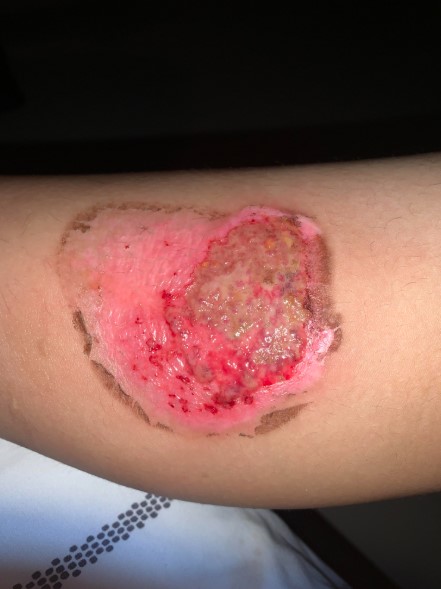
Necrotic foot is a serious condition where tissue in the foot dies due to insufficient blood flow, infection, or other underlying medical issues. Early recognition and proper management are critical to preserving mobility and preventing severe complications. This condition commonly affects individuals with diabetes, peripheral artery disease, or chronic infections. Patients may notice discoloration, foul odor, persistent wounds that do not heal, and intense pain or numbness in the affected area. Understanding the causes of necrosis helps guide effective orthopedic treatment for necrotic foot. Medical professionals often emphasize a combination of careful monitoring, prompt intervention, and patient education to reduce risks. Recognizing necrotic foot early can significantly improve treatment outcomes and prevent the condition from escalating to the point where amputation becomes necessary.
Understanding Necrotic Foot
Necrotic foot occurs when tissues die due to reduced blood supply, infection, or trauma. Diabetes is one of the most common underlying causes because high blood sugar can damage blood vessels and nerves, leading to poor circulation and delayed healing. Peripheral artery disease also contributes by narrowing blood vessels, which restricts oxygen and nutrient delivery to the foot. Symptoms of necrosis include darkened skin, swelling, blistering, and the development of ulcers that fail to heal. Patients may also experience tingling, numbness, or extreme sensitivity in the affected area. Identifying these early warning signs is crucial for timely orthopedic treatment for necrotic foot. Medical professionals often recommend regular foot inspections for high-risk individuals to catch necrotic changes before they become severe. Awareness and early action are key steps in preventing irreversible tissue damage.
Importance of Early Diagnosis
Prompt diagnosis plays a vital role in preventing severe complications associated with necrotic foot. Healthcare providers often use imaging techniques such as X-rays, MRI, or CT scans to evaluate tissue damage and detect underlying bone involvement. Vascular assessments help determine whether blood flow is adequate or if surgical intervention may be necessary to restore circulation. Early diagnosis allows physicians to implement non-surgical treatments that can halt the progression of necrosis and improve recovery chances. Detecting infection quickly is essential, as untreated infections can spread to bones or other body parts. Medical teams often combine diagnostic results with patient history to develop a comprehensive treatment plan. Patients who seek care early experience better outcomes and a higher likelihood of retaining foot function.
Non-Surgical Orthopedic Treatment Options
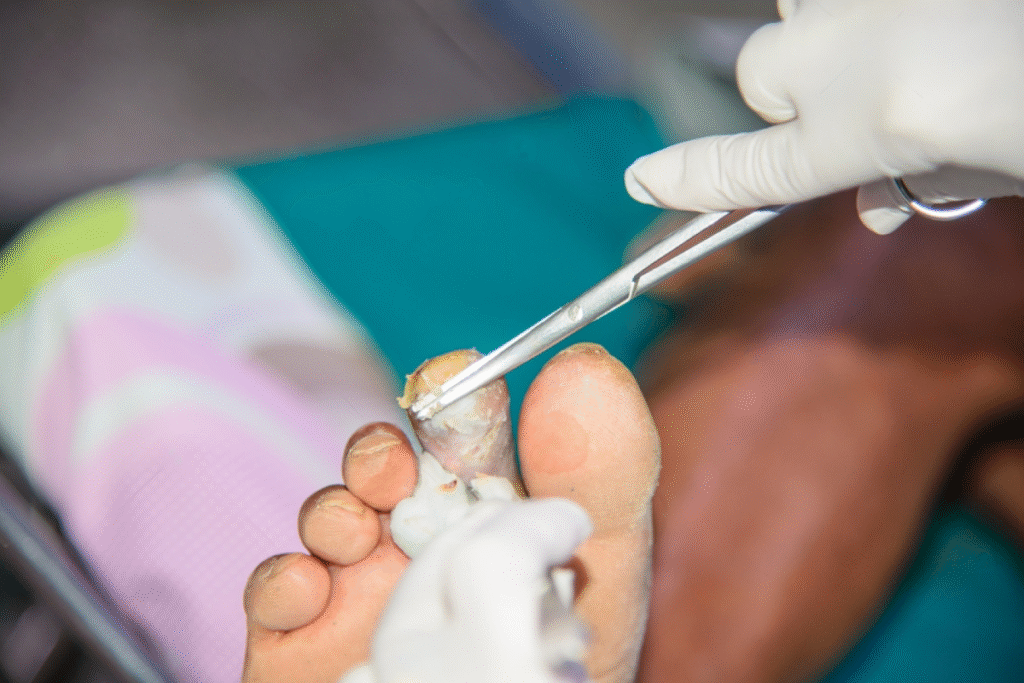
Non-surgical management is often the first step in orthopedic treatment for necrotic foot. Wound care is critical and may include careful debridement, specialized dressings, and infection control measures to prevent further tissue damage. Medications, such as antibiotics, can target infection, while vasodilators or other drugs may improve blood flow to affected areas. Offloading techniques, including customized footwear, orthotic inserts, and mobility aids, help reduce pressure on damaged tissue and support healing. Regular monitoring by healthcare providers ensures that wounds are healing correctly and that interventions can be adjusted as needed. Patients are often advised to maintain strict hygiene routines and keep blood sugar levels under control to optimize recovery. Non-surgical approaches can be highly effective when necrosis is detected early, potentially avoiding the need for invasive procedures.
Surgical Interventions in Orthopedic Care
When tissue damage is extensive or non-surgical methods fail, surgical intervention becomes necessary. Surgeons may perform procedures such as partial amputation, skin grafts, or vascular bypass to restore circulation and remove necrotic tissue. The choice of surgery depends on the severity of tissue death, the patient’s overall health, and the underlying cause of necrosis. Surgical treatment aims not only to remove damaged tissue but also to preserve as much foot function as possible. Postoperative care includes wound management, pain control, and rehabilitation to regain mobility. Physical therapy and assistive devices often play a crucial role in helping patients return to daily activities. Close follow-up ensures that infections are prevented and healing progresses without complications.
Physical Therapy and Rehabilitation
Rehabilitation is a cornerstone of orthopedic treatment for necrotic foot. Physical therapy focuses on restoring strength, mobility, and flexibility in the affected limb. Exercises may include range-of-motion activities, resistance training, and balance exercises to improve stability. Pain management strategies, including medication, topical treatments, and cold or heat therapy, help patients engage in therapy comfortably. Assistive devices, such as walkers or specialized braces, may be necessary during recovery. Rehabilitation also emphasizes preventive strategies to avoid further injury, including proper footwear, foot care routines, and monitoring circulation. Patient education is vital, ensuring that individuals understand how to protect their feet and maintain long-term mobility. Effective rehabilitation enhances independence and quality of life while minimizing the risk of recurrent necrosis.
Preventive Measures and Lifestyle Adjustments
Prevention is critical for patients at risk of necrotic foot. Managing underlying conditions, such as diabetes or vascular disease, is essential to maintain healthy circulation and prevent tissue death. Blood sugar control, regular exercise, and a balanced diet improve overall foot health. Daily foot inspections allow patients to detect early signs of injury or infection. Maintaining proper hygiene and wearing well-fitted footwear reduce pressure points and the likelihood of ulcers. Smoking cessation is highly recommended, as smoking constricts blood vessels and slows healing. Patients are also encouraged to seek routine medical checkups and communicate promptly about changes in foot appearance or sensation. Lifestyle adjustments complement orthopedic treatment for necrotic foot and play a crucial role in long-term recovery.
Potential Complications Without Proper Treatment
Neglecting necrotic foot can lead to severe complications, including the spread of infection to bones (osteomyelitis) or surrounding tissue. Gangrene may develop, necessitating partial or full amputation of the foot. Chronic pain, loss of mobility, and reduced quality of life are common outcomes of untreated necrosis. Infections can enter the bloodstream, posing life-threatening risks if not managed promptly. Delayed treatment increases healthcare costs and complicates rehabilitation. Patients may also experience psychological stress due to limited mobility and lifestyle changes. Recognizing the urgency of proper orthopedic treatment for necrotic foot is essential to avoid these serious consequences.
Patient Experiences and Support
Coping with necrotic foot often involves both physical and emotional challenges. Emotional support from family, friends, and healthcare professionals helps patients navigate treatment and recovery. Patient support groups provide opportunities to share experiences and gain practical advice for daily care. Professional counseling may be recommended to address anxiety or depression related to chronic illness and mobility limitations. Clear communication with medical teams ensures patients understand their treatment plans and expected outcomes. Support networks play a crucial role in encouraging adherence to rehabilitation protocols. Overall, integrating emotional support with medical care enhances treatment effectiveness and patient well-being.
Frequently Asked Questions (FAQ)
What is the success rate of orthopedic treatment for necrotic foot?
Success depends on early detection, severity of tissue damage, and patient health. Non-surgical treatments can be highly effective if necrosis is identified early. Surgical interventions have a high success rate in removing necrotic tissue and restoring function, especially when combined with rehabilitation.
Can necrosis be reversed without surgery?
Mild necrosis may respond to non-surgical treatments such as debridement, antibiotics, and offloading techniques. However, advanced tissue death often requires surgical intervention. Early detection greatly increases the chance of non-surgical recovery.
How long does recovery take after treatment?
Recovery varies depending on the extent of necrosis, treatment type, and patient health. Non-surgical treatments may require weeks to months, while surgical recovery could extend over several months, including rehabilitation.
Are there any long-term restrictions for patients with necrotic foot?
Patients may need to maintain careful foot care, wear supportive footwear, and monitor for signs of infection. Physical activity may need gradual progression, and underlying conditions must be managed consistently.
How can patients prevent recurrence after treatment?
Maintaining proper foot hygiene, controlling blood sugar, following medical advice, and attending regular checkups are key preventive measures. Lifestyle changes such as quitting smoking and wearing protective footwear also reduce recurrence risk.