Children rely heavily on their vision to explore, learn, and grow. Pediatric Eye care ensures that young eyes are healthy and developing properly. Routine assessments and timely interventions are essential because children may not recognize or communicate vision difficulties. Specialists trained in pediatric eye care can detect problems early, treat them effectively, and support long-term visual development.
Peregrine Eye and Laser Institute provides world-class pediatric eye care in Metro Manila. With a combination of advanced technology, personalized service, and a team of highly skilled ophthalmologists, Peregrine offers comprehensive eye care services tailored to children’s unique needs.
Common Pediatric Eye Conditions
Children can develop a range of eye conditions that require specialized attention. Pediatric Eye care focuses on detecting and treating these conditions early to prevent long-term visual impairment.
Strabismus (Crossed Eyes): Strabismus occurs when a child’s eyes are not properly aligned, causing one eye to turn inward, outward, upward, or downward. If untreated, this misalignment can result in amblyopia or reduced depth perception. Pediatric Eye care specialists can correct strabismus using glasses, eye exercises, or surgery, depending on the severity.
Amblyopia (Lazy Eye): Amblyopia is reduced vision in one eye caused by poor development during childhood. Early detection through pediatric eye care can improve vision with patching therapy, glasses, or corrective surgery. Children with amblyopia benefit greatly from treatment before the age of seven, when the visual system is still developing.
Refractive Errors: Nearsightedness, farsightedness, and astigmatism are common in children and can interfere with learning and daily activities. Pediatric Eye care includes vision testing and prescription glasses to ensure clear vision and proper eye development.
Congenital Cataracts: Some children are born with cloudy lenses that affect vision. Pediatric Eye care can identify congenital cataracts early, allowing for surgical intervention when necessary to prevent permanent vision loss.
Glaucoma: Pediatric glaucoma occurs when fluid buildup increases eye pressure and damages the optic nerve. Although less common in children than adults, early detection through pediatric eye care is essential for preventing irreversible vision damage.
Retinopathy of Prematurity (ROP): Premature infants may experience abnormal retinal development that threatens sight. Pediatric Eye care involves monitoring at-risk infants and providing timely treatment to prevent long-term vision problems.
Importance of Early Detection
Early detection is one of the most critical components of effective pediatric eye care. Children often cannot communicate vision problems clearly, and untreated conditions can lead to permanent impairment. Regular eye examinations help identify issues such as strabismus, amblyopia, congenital cataracts, or glaucoma early.
Parents can observe signs that indicate a need for pediatric eye care. These signs include squinting, frequent eye rubbing, tilting the head while looking at objects, covering one eye, difficulty reading, or complaints of blurred or double vision. Recognizing these symptoms and seeking professional evaluation can protect a child’s vision and support overall development.
Early pediatric eye care benefits more than eyesight alone. Proper vision contributes to academic performance, hand-eye coordination, social interaction, and physical activity. Children with healthy eyes are more confident and can fully participate in learning and play.
Pediatric Eye Care Services at Peregrine Eye and Laser Institute
Peregrine Eye and Laser Institute provides comprehensive pediatric eye care services designed to meet the needs of children of all ages. Our clinics in Makati, Manila, and Quezon City are equipped with advanced technology to deliver accurate diagnosis and effective treatment.
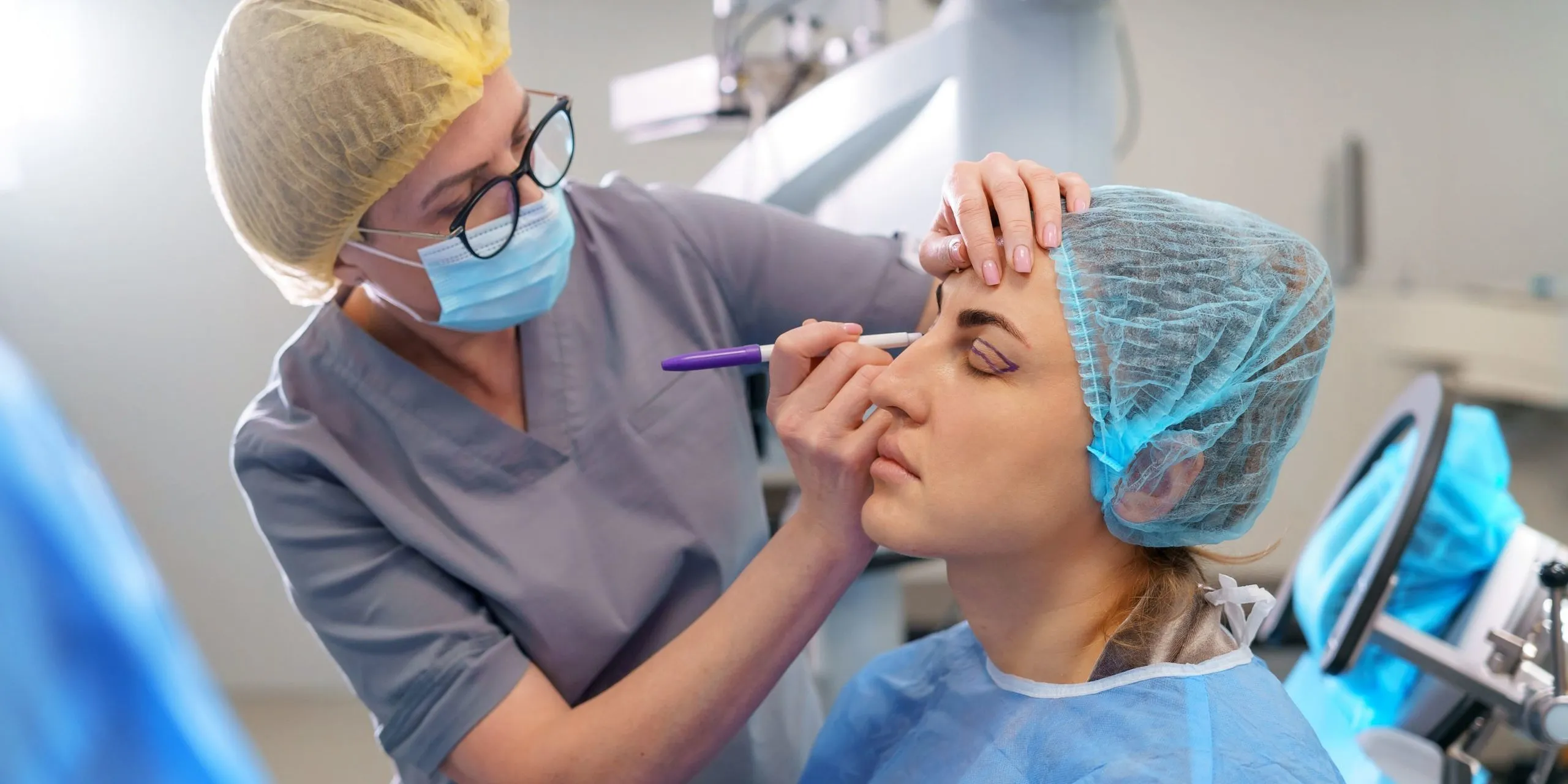
Comprehensive Eye Exams: Routine eye examinations are the foundation of pediatric eye care. These exams evaluate visual acuity, eye alignment, focusing ability, and overall eye health. Early testing identifies problems before they affect learning or development.
Vision Screening for School Readiness: Children preparing for school undergo vision screening to ensure they can see clearly in classroom settings. Pediatric Eye care addresses issues that may affect reading, writing, and concentration.
Diagnosis and Treatment of Pediatric Eye Conditions: Peregrine’s specialists treat strabismus, amblyopia, refractive errors, congenital cataracts, glaucoma, and other eye disorders. Personalized care plans ensure that treatment is appropriate for each child’s condition and stage of development.
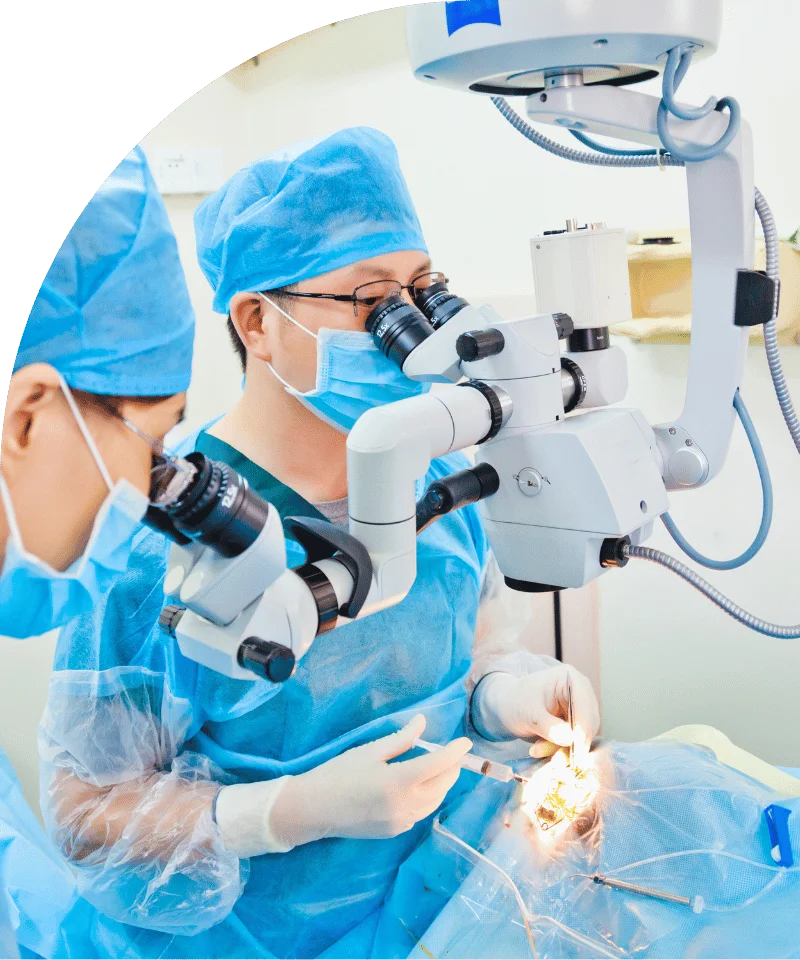
Surgical Interventions: For conditions requiring surgery, such as congenital cataracts or severe strabismus, pediatric eye care at Peregrine uses state-of-the-art operating theaters and equipment. Experienced surgeons perform procedures with safety and precision.
Follow-up Care and Vision Therapy: Pediatric eye care includes monitoring progress and providing vision therapy when necessary. Exercises, eye patches, or specialized programs may help strengthen vision and improve eye coordination.
Why Choose Peregrine for Pediatric Eye Care
Peregrine Eye and Laser Institute stands out as a trusted provider of pediatric eye care due to its combination of expertise, technology, and compassionate service.
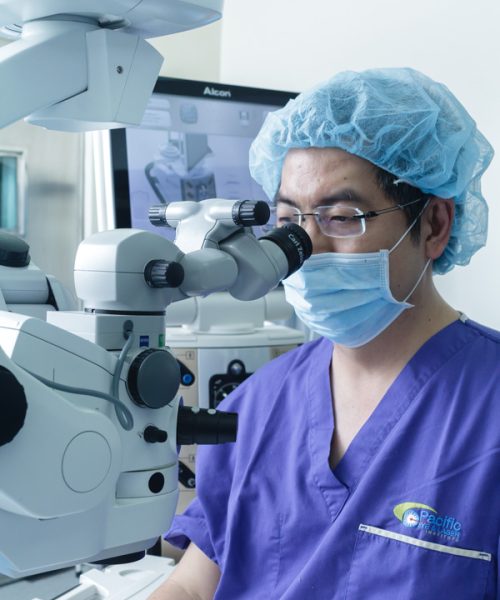
Highly Skilled Specialists: Our team includes ophthalmologists trained at prestigious institutions such as Harvard Medical School, Johns Hopkins University, UCLA, California Pacific Medical Center, University of Wisconsin, and Singapore National Eye Center. These specialists bring decades of clinical and surgical experience.
State-of-the-Art Technology: Pediatric Eye care at Peregrine uses advanced diagnostic tools, modern operating theaters, and world-class ophthalmic equipment. This ensures precise diagnosis and effective treatment for every child.
Personalized Care: Every child receives a care plan tailored to their unique needs. Doctors explain conditions and treatment options clearly, helping parents make informed decisions.
Child-Friendly Clinics: Our facilities are designed to be welcoming and comfortable, reducing stress and anxiety for children. From waiting areas to examination rooms, every detail supports a positive experience.
Holistic Approach: Pediatric Eye care at Peregrine addresses both medical and emotional aspects of treatment. Our team supports children and families throughout the care process.
Tips for Maintaining Your Child’s Eye Health
Maintaining healthy vision involves more than regular eye exams. Parents can take proactive steps to support their child’s eye health as part of pediatric eye care.
Regular Eye Exams: Schedule checkups according to recommended guidelines or as advised by a specialist. Early detection allows for timely intervention.
Limit Screen Time: Excessive exposure to digital screens can strain developing eyes. Encourage breaks and outdoor activities.
Proper Lighting: Ensure adequate lighting for reading, homework, and crafts to reduce eye strain.
Nutrition for Eye Health: A balanced diet rich in vitamins A, C, and E, along with omega-3 fatty acids, supports healthy eye development.
Monitor Symptoms: Watch for squinting, rubbing eyes, tilting the head, or complaints of blurry vision. Prompt pediatric eye care can prevent complications.
Takeaway
Healthy vision is essential for a child’s development, learning, and daily life. Pediatric Eye care provides the guidance, diagnosis, and treatment needed to address common and complex eye conditions. Peregrine Eye and Laser Institute combines advanced technology, highly trained specialists, and personalized care to ensure children receive the best possible support for their vision.
Parents can trust Peregrine to provide safe, effective, and compassionate pediatric eye care. Scheduling routine eye exams and following expert advice protects children’s eyesight and promotes confidence, learning, and overall well-being.
Frequently Asked Questions (FAQ)
Q: How often should children have eye exams?
A: Pediatric Eye care recommends exams at birth, 6 months, 3 years, before starting school, and annually afterward, or as guided by a specialist.
Q: Can crossed eyes (strabismus) be corrected?
A: Most cases can be treated successfully with glasses, eye exercises, or surgery if detected early through pediatric eye care.
Q: What are early signs that my child needs eye care?
A: Look for squinting, frequent eye rubbing, tilting the head, covering one eye, difficulty reading, or complaints of blurred or double vision.
Q: Are eye surgeries safe for children?
A: Pediatric eye surgeries at Peregrine are performed in modern facilities by experienced specialists to ensure safety and successful results.
Q: Can early pediatric eye care prevent long-term vision problems?
A: Yes. Detecting and treating conditions like lazy eye, congenital cataracts, or glaucoma early can prevent permanent vision loss and support proper eye development.