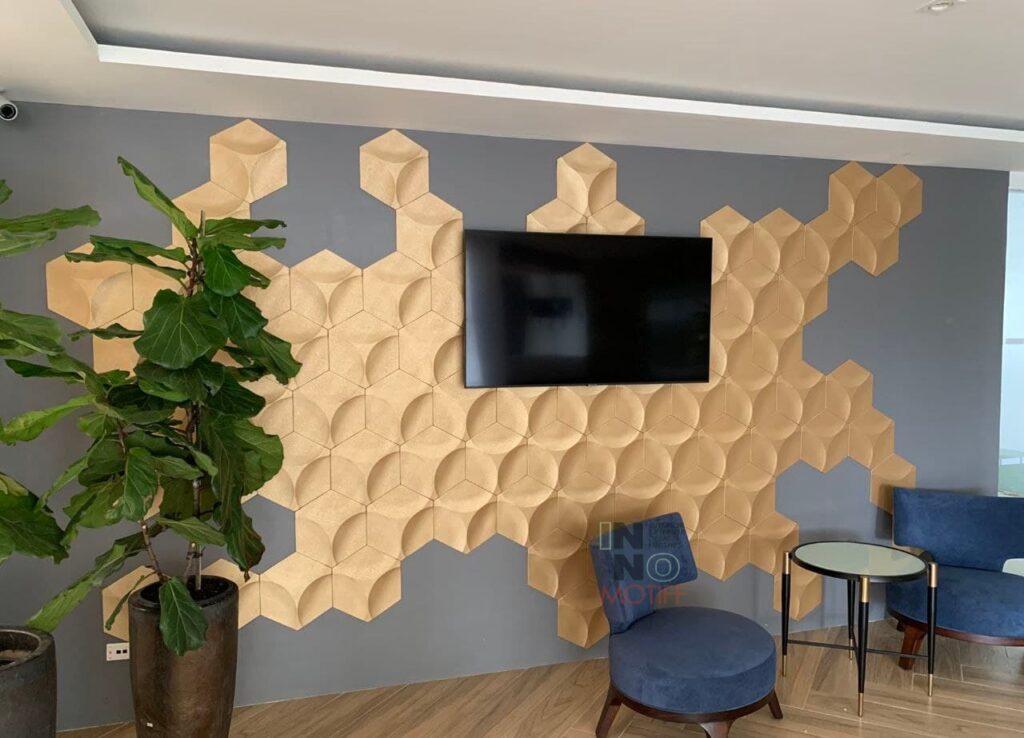
Understanding 3D Wall Panels
3D wall panels in the Philippines have become a revolutionary choice for homeowners and businesses looking to elevate interior spaces. These panels are designed to add depth, texture, and dimension to flat walls, turning ordinary surfaces into eye-catching focal points. Common materials used include PVC, MDF, gypsum, wood, and eco-friendly options, each offering unique benefits in terms of durability, ease of installation, and aesthetic appeal. Unlike traditional paint or wallpaper, 3D wall panels provide a tactile experience, creating shadows and highlights that change with the lighting of the room. They also serve practical purposes beyond visual appeal, including soundproofing, insulation, and protection against minor wall damages. Choosing the right panel material depends on your space, budget, and desired effect, making it essential to understand the differences. With their combination of functionality and design, 3D wall panels have become a preferred solution for modern interior design projects.
Popular Types and Designs of 3D Wall Panels in the Philippines
The variety of 3D wall panel designs available in the Philippines allows for endless creativity in decorating spaces. Geometric patterns remain a favorite, offering clean lines and contemporary appeal that fit both residential and commercial settings. Nature-inspired designs such as waves, leaves, and brick textures bring a sense of calm and organic charm to interiors. Minimalist panels appeal to those seeking subtle elegance, often in monochromatic shades or simple patterns that complement furniture and decor. Many suppliers also offer customized or personalized panels, enabling clients to incorporate logos, patterns, or artistic elements unique to their taste. Choosing the right design requires consideration of the room size, lighting, and overall interior style, ensuring the panels enhance rather than overwhelm the space. By exploring different materials, colors, and patterns, homeowners and designers in the Philippines can achieve a distinctive look that aligns perfectly with their vision.
Installation Process and Tips
Installing 3D wall panels in the Philippines can be a straightforward process when approached correctly, though some projects benefit from professional expertise. Preparation is crucial; walls should be clean, dry, and free from irregularities to ensure panels adhere smoothly. DIY installations are possible with lightweight PVC or MDF panels, using adhesives or screws depending on the material. Professional installation guarantees precise alignment, especially for complex patterns or larger walls, and reduces the risk of damage during placement. Common mistakes to avoid include uneven spacing, ignoring manufacturer instructions, and attempting installation on unsuitable surfaces. Maintenance is relatively simple, with most panels requiring only a wipe-down with a damp cloth or mild cleaner. Proper care ensures the panels remain vibrant and structurally intact for years, making the installation a worthwhile investment in both aesthetics and functionality.
Applications of 3D Wall Panels
3D wall panels in the Philippines are versatile, enhancing both residential and commercial interiors. In homes, they transform living rooms, bedrooms, and kitchens, creating focal points that replace ordinary wall decor. Accent walls can define spaces, add sophistication, or introduce a modern flair without overwhelming the room. Commercial establishments such as offices, hotels, restaurants, and retail stores use 3D panels to impress clients and provide an upscale, professional ambiance. They are particularly effective in small spaces, where textured walls can make the area appear larger and more dynamic. These panels also provide functional benefits, like absorbing sound in noisy environments or adding insulation to maintain temperature control. With a wide range of applications, 3D wall panels allow designers and homeowners in the Philippines to combine style and practicality in innovative ways.
Cost and Sourcing in the Philippines
The cost of 3D wall panels in the Philippines varies based on material, design complexity, size, and installation requirements. PVC and MDF panels are more budget-friendly, while natural wood or high-end gypsum designs can be pricier. Buyers can explore a variety of local suppliers, each offering different quality levels and design options, making research essential for the best value. Online platforms often provide convenience and access to a broader selection, while physical stores allow for hands-on inspection of materials and finishes. Additional factors influencing costs include customization, shipping, and labor for professional installation. Understanding these considerations ensures that clients can balance aesthetics, durability, and budget when selecting 3D wall panels. With careful planning, these panels can be a cost-effective way to dramatically enhance any interior space.
Why 3D Wall Panels Are Trending in the Philippines
3D wall panels are rapidly gaining popularity in the Philippines due to their ability to transform ordinary interiors into sophisticated, modern spaces. Filipino homeowners and businesses are increasingly drawn to unique textures and designs that offer a striking visual impact. Social media platforms, home renovation shows, and influencer recommendations have played a role in popularizing these decorative solutions. Unlike traditional paint or wallpaper, 3D panels provide a multidimensional effect that adds personality and depth to walls. Their functional benefits, including durability, easy maintenance, and sound absorption, further support their appeal. As more interior designers adopt 3D wall panels in their projects, these panels are becoming a standard choice for anyone aiming to modernize their space with style and efficiency.
FAQ about 3D Wall Panels in the Philippines
1. What are the most durable materials for 3D wall panels in the Philippines?
Durable materials include PVC, high-density MDF, and gypsum. These options resist moisture, wear, and minor impacts, making them ideal for both residential and commercial use.
2. Can 3D wall panels be installed in humid areas like bathrooms or kitchens?
Yes, but moisture-resistant materials such as PVC or treated MDF are recommended. Proper sealing and ventilation are essential to prevent warping or mold growth.
3. How long does the installation process usually take?
Installation time varies depending on wall size, panel type, and complexity. Small accent walls can take a few hours, while larger projects may require several days for professional installation.
4. Are 3D wall panels easy to clean and maintain?
Yes, most panels require only regular dusting or wiping with a damp cloth. Avoid abrasive cleaners to maintain the panel’s surface and texture.
5. Can I paint or modify 3D wall panels after installation?
Many panels, especially MDF and gypsum, can be painted to match your design preferences. Always use suitable paints recommended for the panel material.
6. Do 3D wall panels increase the property value of my home?
Yes, high-quality 3D wall panels can enhance interior aesthetics and appeal, potentially increasing the property’s market value by creating a more modern and desirable living space.