Understanding the Nature of Vaginismus
Vaginismus is a condition where the vaginal muscles involuntarily tighten whenever penetration is attempted. This response can occur during sexual intercourse, tampon insertion, or even during a routine pelvic examination. The tightening is not something a person controls consciously, which often leads to confusion and emotional distress. In many cases, the body reacts as if it is protecting itself from harm, even when there is no physical threat present. This makes the condition both physical and psychological in nature. Understanding this mechanism is an important step in vaginismus treatment.
The pelvic floor muscles play a key role in supporting reproductive and urinary functions. When these muscles become overly reactive, they can restrict normal movement and create pain or complete blockage. Many individuals experience anxiety simply anticipating penetration, which can further increase muscle tension. Over time, the body may develop a conditioned response where fear and muscle tightening become linked. This cycle can continue unless properly addressed through treatment. Awareness of how the condition works helps reduce confusion and fear.
Factors That Contribute to Vaginismus Development
Vaginismus does not arise from a single cause but rather a combination of influences. Emotional and psychological factors are among the most common contributors. Anxiety related to intimacy or fear of pain can trigger involuntary muscle responses. Past experiences involving discomfort or negative sexual encounters may also play a role. Cultural or social upbringing can influence how a person perceives intimacy and their body.
Physical factors can also contribute, including infections, hormonal changes, or childbirth-related trauma. In some cases, pelvic floor muscles become sensitive due to medical conditions or prolonged stress. The nervous system may interpret penetration as a threat, even in the absence of physical danger. This leads to automatic tightening of muscles. Because of this complexity, vaginismus treatment often requires addressing both physical and emotional components together. Each person’s experience is unique, which is why individualized care is essential.
Symptoms and Early Indicators
The symptoms of vaginismus usually appear during attempted penetration. This may include sexual intercourse, tampon use, or medical examinations. A common sign is a sudden tightening or spasming of the vaginal muscles. Some individuals describe a burning, stinging, or pressure-like sensation. In more severe cases, penetration becomes completely impossible.
Emotional responses are also part of the symptom pattern. These may include anxiety, fear, or frustration when anticipating intimacy. Many individuals begin avoiding sexual activity or medical appointments due to discomfort. This avoidance can increase stress and reinforce the condition over time. Symptoms may vary depending on emotional state or stress levels. Recognizing these early signs is important for beginning vaginismus treatment before the condition becomes more ingrained.
Types and Levels of Severity
Vaginismus can present in different forms depending on when and how it develops. Primary vaginismus occurs when penetration has never been possible from the beginning of sexual activity. Secondary vaginismus develops after previously normal sexual function. Some individuals experience situational vaginismus, where symptoms only occur in specific contexts.
Severity can also vary significantly between individuals. Mild cases may involve slight discomfort but still allow partial penetration. Moderate cases often include pain and significant muscle resistance. Severe cases may result in complete inability to tolerate any penetration. These classifications help healthcare providers design appropriate vaginismus treatment strategies. Understanding severity allows for realistic expectations and tailored care plans.
Diagnostic Process and Clinical Assessment
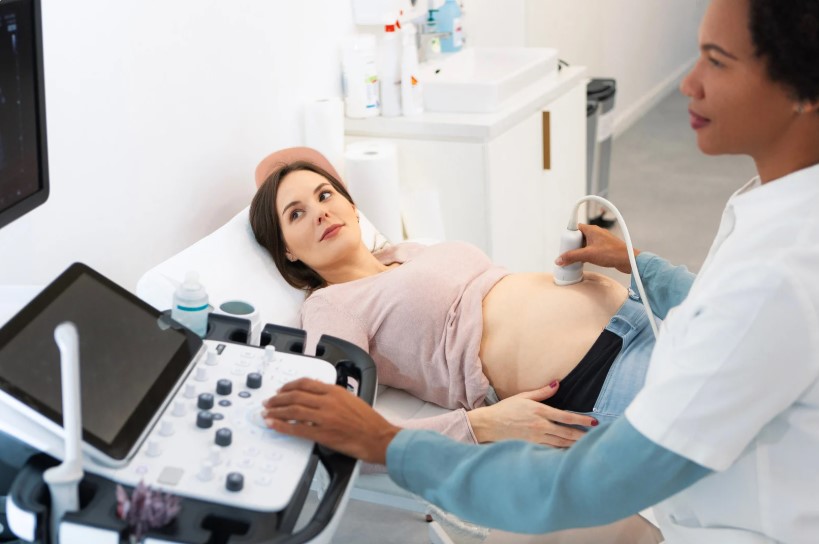
Diagnosis of vaginismus begins with a detailed conversation about symptoms, history, and emotional factors. Healthcare providers aim to understand when symptoms began and how they affect daily life. A gentle physical examination may be conducted if the individual feels comfortable. The purpose is to rule out other medical conditions that may cause similar symptoms.
In many cases, no physical abnormalities are found, confirming that the issue is related to muscle response. Psychological factors are also assessed during evaluation. Providers may ask about anxiety, stress, or past experiences that could contribute to symptoms. The diagnostic process is designed to be respectful and supportive. Patients are encouraged to communicate openly and set boundaries during examinations. This safe environment is essential for effective vaginismus treatment planning.
Emotional and Psychological Impact
Vaginismus can have a strong emotional effect on individuals. Many experience feelings of frustration or confusion due to lack of control over their body’s response. This can lead to reduced self-esteem and emotional distress. Relationships may also be affected, especially when intimacy becomes difficult or avoided.
Some individuals may feel isolated due to difficulty discussing the condition. Emotional stress can further increase muscle tension, creating a reinforcing cycle. Anxiety about future attempts at penetration is also common. This emotional burden highlights the importance of addressing mental health as part of treatment. Supportive counseling and open communication can significantly improve emotional well-being. Healing involves both physical relaxation and emotional reassurance.
Medical and Therapeutic Approaches to Treatment
Vaginismus treatment typically involves a combination of physical therapy, psychological support, and gradual exposure techniques. Pelvic floor physical therapy helps retrain muscles to relax during penetration attempts. Vaginal dilator therapy is commonly used to gently increase comfort over time. Cognitive behavioral therapy addresses fear and anxiety patterns that contribute to muscle tightening.
In some cases, medications may be used to reduce anxiety or muscle tension. Botulinum toxin injections may be considered for severe cases where muscles remain highly contracted. Sex therapy can help individuals or couples rebuild intimacy and trust. Treatment is usually gradual and requires consistency. Progress varies from person to person depending on severity and emotional factors. A structured, supportive approach is key to successful recovery.
Common Treatment Methods
- Pelvic floor muscle relaxation therapy
- Gradual vaginal dilator training
- Cognitive behavioral therapy for anxiety management
- Medical evaluation and supportive care
- Sex therapy for relationship support
- Breathing and relaxation exercises
- Botox injections for severe muscle tension
At-Home Practices for Supportive Recovery
Home-based strategies can complement professional vaginismus treatment. Relaxation techniques such as deep breathing help reduce muscle tension throughout the body. Mindfulness practices encourage awareness and reduce anxiety related to intimacy. Gentle pelvic floor exercises may help improve muscle control over time.
A calm and pressure-free environment is important when practicing at home. Rushing progress can increase anxiety and slow improvement. Warm baths and relaxation routines can help prepare the body for relaxation exercises. Some individuals use dilators at home under professional guidance. Self-exploration without pressure can help rebuild comfort with the body. Consistency is more important than speed when practicing at home.
Partner Support and Relationship Dynamics
Support from a partner can play an important role in recovery. Understanding and patience help reduce emotional pressure during treatment. Communication is essential for building trust and reducing misunderstandings. Many couples benefit from attending therapy sessions together.
Non-penetrative forms of intimacy can help maintain emotional closeness during recovery. Pressure or expectation can worsen symptoms, so empathy is essential. Educating partners about vaginismus helps create a supportive environment. Emotional safety encourages progress and reduces anxiety. Relationships often become stronger when both individuals work together. Supportive partnership dynamics enhance overall treatment outcomes.
Misconceptions and Myths
There are many misconceptions about vaginismus that can delay treatment. One common belief is that it is only psychological, which is not accurate. The condition involves both physical muscle response and emotional triggers. Another myth is that it cannot be treated, which is false.
Some assume that vaginismus is caused by lack of attraction, but this is incorrect. Many individuals still experience desire for intimacy but face involuntary physical resistance. Others believe it only affects certain personality types, which is also untrue. Misunderstandings can increase stigma and emotional distress. Education helps correct these myths and encourages early treatment. Accurate information supports better health outcomes.
When Professional Help Is Necessary
Professional support is recommended when penetration consistently causes pain or becomes impossible. Emotional distress related to intimacy is also a strong indicator. Avoidance of sexual or medical situations may signal the need for evaluation. Early intervention improves recovery outcomes and reduces long-term difficulties.
Healthcare providers offer structured vaginismus treatment plans tailored to individual needs. Delaying treatment may increase anxiety and muscle sensitivity. Seeking help is a proactive and positive step toward recovery. Professionals provide both physical and emotional support. No one needs to manage this condition alone. Early care leads to better long-term results.
Lifestyle Factors That Influence Recovery
Lifestyle choices can influence vaginismus treatment progress. Stress management is important for reducing overall muscle tension. Regular physical activity supports circulation and relaxation. Adequate sleep helps regulate the nervous system.
Balanced nutrition contributes to overall muscle and nerve health. Avoiding chronic stress can reduce symptom triggers. Gentle stretching and relaxation routines can support body awareness. Emotional well-being plays a strong role in physical response. Small daily habits can contribute to long-term improvement. Consistency in healthy routines supports recovery.
Long-Term Healing and Progress Patterns
Recovery from vaginismus is gradual and varies between individuals. Some people notice improvement within months, while others require longer periods. Setbacks may occur but are part of the healing process. Continued practice and support help maintain progress over time.
As confidence improves, muscle relaxation becomes more natural. The body gradually learns to respond without fear. Maintenance exercises may still be helpful after improvement. Emotional resilience strengthens throughout recovery. Healing involves both physical and psychological adaptation. Patience and consistency are essential throughout the process.
Frequently Asked Questions
What is vaginismus?
Vaginismus is an involuntary tightening of the vaginal muscles that makes penetration painful or impossible. It is a treatable condition involving both physical and emotional factors.
Can vaginismus be cured?
Yes, many individuals improve significantly with proper vaginismus treatment. Progress depends on consistency and individualized care.
Is vaginismus painful?
It can cause discomfort, burning, or tight sensations during penetration attempts. Severity varies from person to person.
How long does treatment take?
Treatment duration varies depending on severity and response. Some improve within months, while others take longer.
Does vaginismus affect fertility?
It does not directly affect fertility but may make intercourse difficult. Treatment can help address this barrier.
Are dilators required?
Dilators are commonly used but not always necessary. They are introduced based on individual treatment plans.
Can it return after treatment?
In some cases, symptoms may return, especially during stressful periods. Maintenance practices help reduce recurrence.
Takeaway
Vaginismus treatment is most effective when it addresses both physical muscle response and emotional triggers together. Recovery is gradual and requires patience, consistency, and supportive care. With proper guidance, individuals can regain comfort, confidence, and control in their intimate health over time.