Sustainable landscaping is transforming the way people design their spaces. Homeowners, business owners, and property developers are no longer just looking for greenery—they want functional, space-efficient, and eco-friendly solutions that elevate both aesthetics and performance. Among the options available, a vertical green wall system and traditional landscaping often come into comparison. The key question remains: which is the better choice?
What is a Vertical Green Wall System?
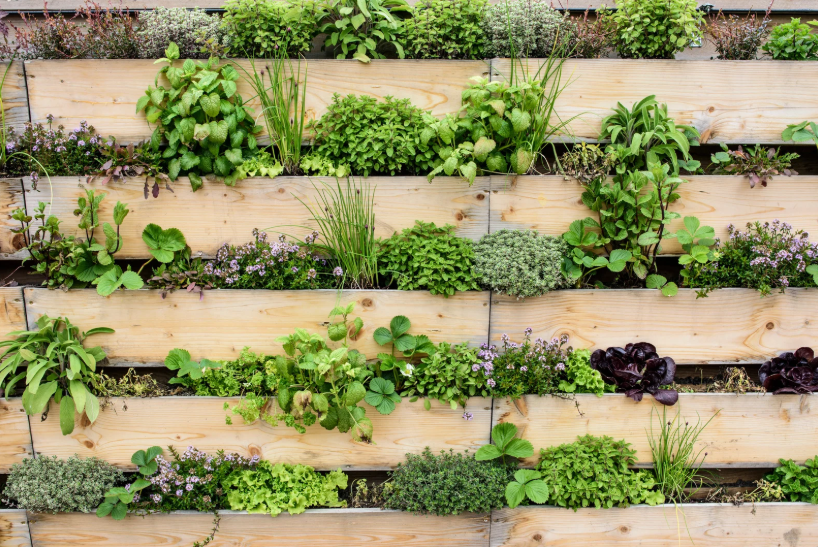
A vertical green wall system, also called a living wall or vertical garden, involves growing plants vertically on structures like walls, panels, or freestanding frameworks. These systems can be designed indoors or outdoors, with soil-based or hydroponic setups. Unlike traditional landscaping that spreads horizontally, a vertical green wall system maximizes vertical surfaces, turning unused walls into lush, green features.
One of the biggest appeals of vertical green walls is their ability to blend modern design with environmental benefits. They not only beautify buildings but also contribute to healthier indoor and outdoor environments. Companies like BSG Landscape & Construction Pte Ltd. specialize in designing and installing these innovative systems, making them a trusted partner for businesses and homeowners seeking sustainable solutions.
What is Traditional Landscaping?
Traditional landscaping refers to ground-level green spaces featuring lawns, shrubs, flower beds, and trees. This approach has been the standard for centuries, creating natural beauty in residential gardens, public parks, and commercial properties. It allows for spacious outdoor areas where people can relax, gather, or enjoy recreational activities.
Although traditional landscaping remains widely appreciated, it demands more physical space and regular maintenance. For urban settings where land is limited, many property owners are turning to alternatives like vertical green wall systems.
Vertical Green Wall System vs. Traditional Landscaping: A Detailed Comparison
Space Utilization
A vertical green wall system is a game-changer for space efficiency. By using walls, building facades, or indoor partitions, property owners can enjoy greenery without needing large plots of land. This makes vertical walls especially valuable in urban environments where space is scarce.
Traditional landscaping, on the other hand, requires horizontal ground space. While it creates expansive natural views, it isn’t always practical for compact city properties.
Air Quality and Health Benefits
Vertical green wall systems are known for their ability to filter air pollutants, absorb carbon dioxide, and release oxygen. Indoors, they improve air quality and create a fresher, healthier environment for occupants.
Traditional landscaping also contributes to air quality but usually works on a larger scale, such as parks or wide lawns. For enclosed or built-up areas, vertical green wall systems provide more direct air purification benefits.
Energy Efficiency and Temperature Regulation
One of the greatest advantages of a vertical green wall system is its insulation properties. By covering walls, they reduce heat absorption, helping regulate indoor temperatures and lowering cooling costs. This makes them an excellent choice for energy-conscious property owners.
Traditional landscaping provides natural shade and cooling through trees and shrubs, which is effective in large open areas. However, it doesn’t always directly reduce energy costs for buildings the way vertical green walls do.
Maintenance and Costs
A vertical green wall system requires specialized installation and ongoing maintenance, such as irrigation, trimming, and monitoring plant health. Fortunately, experts like BSG Landscape & Construction Pte Ltd. offer tailored maintenance services to ensure long-lasting results.
Traditional landscaping, while familiar, can also be labor-intensive. Lawns require mowing, watering, and pest control, and large gardens often need dedicated gardeners. Both approaches involve costs, but vertical walls can save money in the long term by reducing energy bills and water consumption through smart irrigation systems.
Aesthetic and Design Flexibility
A vertical green wall system offers modern, customizable designs that can be adapted to any environment. Whether indoors in an office lobby or outdoors on a building facade, vertical walls create a striking, contemporary look that traditional landscaping cannot always replicate.
Traditional landscaping excels in creating open, natural spaces but often follows more conventional layouts. For businesses or urban developments aiming for unique, eye-catching designs, vertical walls provide unmatched flexibility.
Sustainability and Water Usage
Sustainability is a growing priority, and vertical green wall systems lead the way. Many are equipped with advanced irrigation systems that recycle water, making them more resource-efficient.
Traditional landscaping typically consumes more water, fertilizers, and pesticides, especially for lawns. Over time, this can contribute to higher costs and environmental strain.
Which is Better for Urban Environments?
For urban spaces where land is limited, vertical green wall systems stand out as the superior option. They maximize vertical areas, provide direct environmental benefits, and contribute to modern, sustainable design.
That said, traditional landscaping still has its place. For large outdoor spaces like parks, resorts, or suburban homes, it offers open natural beauty and recreational opportunities. Many property owners even choose a hybrid approach—combining vertical green walls with traditional ground-level landscaping—to enjoy the best of both worlds.
Cost Considerations: Short-Term vs. Long-Term Investment
The upfront installation cost of a vertical green wall system can be higher compared to traditional landscaping. However, the long-term return on investment often outweighs the initial expense. Vertical walls help lower energy bills, increase property value, and demonstrate a commitment to sustainability—all factors that appeal to modern buyers and tenants.
Traditional landscaping may seem more affordable initially but can accumulate higher maintenance costs over time. Regular watering, mowing, and replanting are ongoing expenses that property owners need to consider.
Takeaway
Both vertical green wall systems and traditional landscaping have unique strengths. Traditional landscaping offers timeless beauty and expansive green areas, while vertical green walls bring modern, space-saving, and eco-friendly benefits. For urban developments and forward-thinking businesses, a vertical green wall system often proves to be the better investment.
For those seeking professional installation and maintenance, BSG Landscape & Construction Pte Ltd. stands out as the best company to engage. With their expertise and commitment to sustainable landscaping solutions, they help property owners achieve greener, healthier, and more beautiful environments.
FAQ Section
Are vertical green wall systems hard to maintain?
No, with proper installation and professional support from companies like BSG Landscape & Construction Pte Ltd., maintenance is straightforward and manageable.
Do vertical green wall systems really improve indoor air quality?
Yes, they absorb toxins, filter dust, and release oxygen, making indoor environments fresher and healthier.
How much space do you need for traditional landscaping vs. vertical green walls?
Traditional landscaping requires ground-level space, while vertical green walls utilize vertical surfaces, making them ideal for compact properties.
Which is more cost-effective in the long run?
A vertical green wall system typically offers better long-term savings due to energy efficiency and lower water usage.
Can vertical green wall systems be installed indoors?
Absolutely. Vertical walls are suitable for indoor offices, malls, and residential spaces, adding beauty and improving air quality indoors.