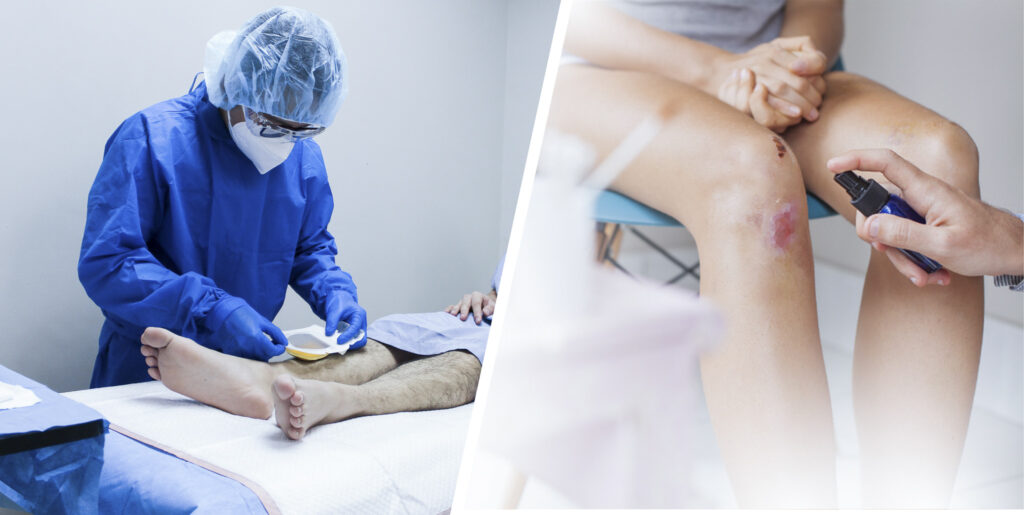
Understanding the Role of a Wound Care Specialist in the Philippines
A wound care specialist in the Philippines is a medical professional trained to manage acute and chronic wounds that require more than basic treatment. Unlike general practitioners, these specialists have advanced knowledge of wound healing, infection prevention, and the use of specialized therapies. Their role involves creating a tailored care plan that addresses the patient’s specific condition, lifestyle, and risk factors. Patients with complex wounds such as diabetic ulcers, pressure sores, or surgical incisions often benefit from their expertise. With the right approach, these specialists help accelerate recovery while minimizing complications. Beyond physical healing, they also guide patients and caregivers in wound management practices at home. By doing so, they not only treat wounds but also empower individuals to take proactive steps toward better health.
Common Types of Wounds That Require Specialist Attention
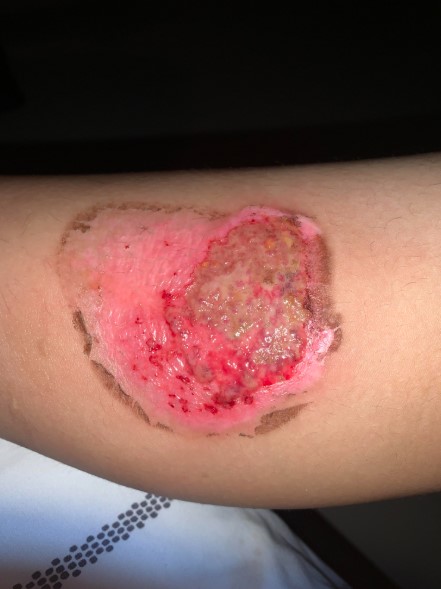
Not all wounds heal properly with basic home care or over-the-counter medications. Some wounds, especially chronic ones, require professional attention from a wound care specialist in the Philippines. Diabetic ulcers, for example, are a common concern, as uncontrolled blood sugar can delay healing and increase infection risks. Pressure sores, which often occur in bedridden or immobile patients, also demand specialized management to prevent worsening tissue damage. Post-surgical wounds may develop complications such as infection or poor closure, requiring advanced interventions. Traumatic injuries, including severe burns, cuts, and deep lacerations, often benefit from expert wound care to ensure proper healing. Infected wounds, which may produce pus, swelling, or fever, can lead to serious health risks if not addressed immediately. With timely intervention, specialists can prevent complications and help patients return to their daily routines more quickly.
Why Seeking a Wound Care Specialist in the Philippines Matters
Consulting a wound care specialist in the Philippines provides patients with significant advantages, especially when dealing with wounds that don’t heal as expected. Early specialist intervention helps prevent infections, tissue damage, and long-term complications. For individuals with diabetes, timely wound care can even reduce the risk of amputations, which remain a growing concern in the country. These specialists design personalized treatment plans based on the patient’s medical history, lifestyle, and overall health condition. Their focused expertise ensures that patients get the right wound dressing, therapy, and monitoring to maximize healing. By working closely with patients and caregivers, wound care specialists also improve overall quality of life, helping individuals regain mobility and independence. Their approach combines medical knowledge with patient education, making wound recovery a smoother and more positive experience.
Modern Wound Care Practices in the Philippines
Advancements in medical technology have transformed how wound care is delivered in the Philippines. One of the most widely used techniques today is advanced wound dressing, which utilizes specialized materials that promote faster healing while reducing infection risks. Negative Pressure Wound Therapy (NPWT) is another modern approach that uses suction to remove excess fluid and stimulate tissue growth. Hyperbaric oxygen therapy has also gained popularity, particularly for diabetic ulcers, as it enhances oxygen supply to damaged tissues, accelerating healing. Many clinics now integrate telemedicine, allowing specialists to monitor wounds remotely and adjust treatments as needed. This approach makes wound care more accessible, especially for patients in rural areas. In addition, a combination of traditional methods and new technologies ensures that patients receive comprehensive treatment options. The result is more efficient healing outcomes and improved patient satisfaction.
Where to Find Qualified Wound Care Specialists in the Philippines
Patients seeking a wound care specialist in the Philippines have access to both hospital-based services and private clinics. Major hospitals in Metro Manila and regional centers often have dedicated wound care units staffed with trained professionals. Private clinics also provide specialized wound management, offering more personalized care and flexible scheduling. Some medical facilities form partnerships with rehabilitation teams and nurses, ensuring holistic support for patients. When choosing a wound care specialist, it’s important to check their credentials, years of experience, and the type of treatments they offer. Patients may also benefit from asking for referrals from primary care doctors or support groups. Accessibility is another factor to consider, as frequent visits may be required for complex wounds. By selecting the right facility and professional, patients can feel confident they’re receiving quality care tailored to their needs.
Cost Considerations and Accessibility of Wound Care Services
Wound care services in the Philippines can vary significantly in cost depending on the severity of the wound, the treatment required, and the facility chosen. Basic consultation fees in private clinics may be affordable, while advanced therapies such as hyperbaric oxygen treatment or NPWT can be more costly. Some health insurance providers in the Philippines cover part of the expenses for wound care, particularly when linked to chronic conditions like diabetes. Patients living in rural provinces may face challenges in accessing specialized wound care, but telehealth services are bridging this gap. Government hospitals sometimes offer free or subsidized wound care for low-income patients, making treatment more accessible. It’s important for families to inquire about package options and financial assistance programs to ease the burden of long-term care. Understanding costs upfront helps patients plan effectively while ensuring they receive timely treatment.
Benefits of Early Intervention with a Wound Care Specialist
Seeing a wound care specialist in the Philippines at the earliest signs of a problematic wound offers numerous advantages. Early intervention often results in faster healing times and less pain, as the wound is managed before complications arise. By preventing infections and tissue damage, patients avoid costly hospitalizations and prolonged treatment. For diabetic patients, timely care can mean the difference between recovery and permanent disability. Another key benefit is reduced medical expenses in the long term, as addressing wounds early prevents the need for more complex and expensive procedures later on. Specialists also provide education that empowers patients to care for themselves more effectively at home. Beyond the physical benefits, early wound care improves mental well-being by reducing stress and anxiety associated with slow-healing wounds. This holistic impact reinforces why seeking timely professional care is so important.
Lifestyle and Home Care Guidance for Patients with Wounds
A wound care specialist in the Philippines not only treats the wound but also educates patients on proper home care. Cleaning and dressing wounds correctly is crucial to preventing infection and encouraging healing. Specialists often recommend specific wound dressings that patients can safely use at home with guidance. Nutrition also plays a major role, as consuming foods rich in protein, vitamins, and minerals helps the body repair tissues more effectively. Patients are advised to avoid common mistakes such as using unsterilized materials or skipping dressing changes. Regular follow-up appointments are emphasized to track healing progress and make necessary adjustments. Caregivers are also trained to assist with wound care, ensuring that the patient receives consistent support. With the right knowledge and habits, patients can manage their wounds effectively while complementing clinical treatments.
Frequently Asked Questions about Wound Care Specialists in the Philippines
1. When should I see a wound care specialist instead of a general doctor?
You should seek a wound care specialist if your wound does not heal within two weeks, shows signs of infection, or is related to chronic conditions such as diabetes.
2. Are wound care treatments covered by Philippine health insurance?
Some health insurance plans cover wound care, especially if it is related to surgery or chronic illnesses. It’s best to consult your provider for detailed coverage options.
3. How long does it usually take for chronic wounds to heal with proper care?
The healing time varies depending on the wound type, patient health, and treatment method. Chronic wounds can take several weeks to months to heal with consistent specialist care.
4. Can I receive wound care treatment at home through mobile health services?
Yes, many specialists and clinics now offer home visits or telemedicine services to assist patients who cannot travel frequently for checkups.
5. What qualifications should I look for when choosing a wound care specialist in the Philippines?
Look for licensed medical professionals with specialized training in wound management, proven experience, and affiliations with reputable hospitals or wound care centers.