Determining biological paternity can be an important personal decision for fathers, mothers, children, and families. When questions about biological parentage arise, relying on physical resemblance or family assumptions may not provide the certainty someone is looking for. A Non-Legal Peace of Mind Paternity DNA Test Philippines offers a way to obtain genetic information about a father-child relationship for personal knowledge. This type of testing is generally selected when the participants want a private answer rather than immediately preparing evidence for a court or official proceeding. Understanding how the test works, what the results mean, and how private testing differs from legally documented testing can help people make informed choices. The right information can also make the testing process less stressful and easier to navigate.
What Does a Peace-of-Mind Paternity DNA Test Mean?
A peace-of-mind paternity DNA test is generally intended to provide individuals with private information about biological fatherhood. The test compares genetic information from a child and an alleged father to determine whether their DNA profiles are consistent with a biological father-child relationship. The process focuses on genetic evidence rather than physical characteristics or personal assumptions. Because it is intended for personal knowledge, the collection procedure may be more flexible than the process used for a legally documented test. The exact procedure depends on the testing provider.
The term “non-legal” refers primarily to the intended use and collection procedure rather than suggesting that the laboratory analysis is informal. A reputable laboratory can still use established genetic testing methods to analyze the submitted samples. The important distinction is that the participants are generally not requesting a report specifically prepared for presentation in court. This makes the service attractive to people who want private answers about biological parentage. Anyone considering testing should still confirm the exact type of service before purchasing or collecting samples.
Why Someone May Want a Private Paternity Test
There are many personal reasons someone may consider paternity testing. An alleged father may want to know whether he is biologically related to a child. A mother may want to resolve uncertainty about the identity of a biological father. An adult child may also seek information about biological parentage for personal reasons. Each situation can involve different family circumstances, so there is no single reason why people pursue testing.
Having reliable genetic information can help replace uncertainty with factual information. However, paternity testing can also produce emotionally significant results. Participants should think about how they might respond to both possible outcomes before beginning the process. A private test can provide information without immediately involving a court or formal legal dispute. This can make it a suitable option for individuals whose primary goal is personal knowledge.
How DNA Can Establish Biological Paternity
Every child inherits genetic material from biological parents. A paternity test examines selected genetic markers to determine whether the alleged father’s genetic profile is compatible with the child’s paternal genetic characteristics. The laboratory analyzes multiple markers to produce a statistical assessment. This approach is more reliable than trying to determine biological fatherhood through appearance or physical resemblance. The result is based on genetic information rather than subjective observations.
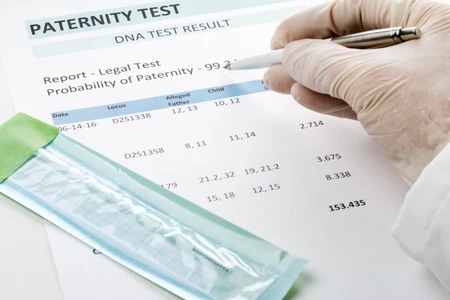
A paternity report may provide a Probability of Paternity when the tested man is not excluded. This figure represents statistical support for the biological relationship based on the laboratory’s analysis. Philippine legal materials have discussed DNA testing and Probability of Paternity as important scientific evidence when biological relationships are evaluated. Under the Philippine Rule on DNA Evidence, a Probability of Paternity of at least 99.9% creates a disputable presumption of paternity in applicable proceedings. For a private test, participants should review the laboratory’s complete report and seek clarification when technical terms are difficult to understand.
What Samples Are Used for Paternity Testing?
Paternity testing commonly uses buccal, or cheek-cell, swabs. This collection method is convenient because it is painless and does not normally require blood collection. The child and alleged father typically provide samples for a standard paternity analysis. Depending on the testing arrangement, the mother may also provide a sample. The provider should explain the required participants before the test begins.
Proper collection is important because the laboratory needs sufficient and suitable DNA material. Participants should use the collection materials supplied by the provider and follow the instructions carefully. Samples should also be labeled and packaged exactly as directed. If a sample is inadequate, another collection may be required. Following the provider’s instructions can help prevent unnecessary delays and additional collection requirements.
The Difference Between Private and Legal DNA Testing
One of the most important considerations when choosing a paternity DNA test is how the result will be used. A peace-of-mind test is generally intended for private knowledge. A legal paternity test is designed with additional safeguards that help establish the identity of the people tested and the integrity of the samples. These safeguards can include identity verification, supervised collection, photographs, signatures, documentation, and chain-of-custody procedures. The purpose is to make the result more suitable for formal proceedings.
Philippine DNA Evidence rules direct courts to consider factors such as chain of custody, sample handling, testing procedures, laboratory qualifications, and potential contamination when evaluating DNA evidence. Therefore, a private test should not automatically be treated as equivalent to a legally documented DNA examination. If a person expects to use the result in court or for an official purpose, that possibility should be discussed with the testing provider before samples are collected. Selecting the correct testing format at the beginning can help prevent complications later.
When Is a Non-Legal Paternity Test a Practical Choice?
A non-legal paternity test may be practical when the participants are seeking personal information. Someone who simply wants to know whether a particular man is the biological father may not need the documentation associated with a court-oriented test. A private test may also be considered by people who want to resolve uncertainty before deciding whether any additional action is appropriate. The convenience of certain home collection options can make the process easier for some families. However, availability depends on the individual testing provider.
The purpose of testing should always be established before ordering. If the result might later become part of a legal dispute, the participants should ask whether a legally documented test would be more appropriate. Repeating a DNA test later may be necessary if the original test did not meet the requirements of the relevant proceeding. Understanding the intended purpose can therefore help participants avoid selecting a service that does not match their needs. Clear communication with the testing provider is particularly useful when the intended use is uncertain.
What the Paternity DNA Report Can Tell You
A paternity DNA report typically contains information about whether the alleged father is excluded or not excluded as the biological father. An exclusion means that the tested man’s genetic profile does not support biological paternity. When the alleged father is not excluded, the laboratory may report a Probability of Paternity. This statistical figure reflects the strength of the genetic evidence supporting the relationship.
Participants should avoid interpreting a DNA report based solely on a single percentage. The complete report provides the appropriate context for understanding the findings. Laboratory terminology can sometimes be technical, so clients should ask the provider to explain unfamiliar terms. Philippine Supreme Court decisions have discussed DNA profiles, statistical calculations, and Probability of Paternity when assessing biological relationships. Reading the entire report carefully can help ensure that the findings are understood correctly.
How Reliable Is a Paternity DNA Test?
DNA testing can provide highly informative evidence about biological relationships when samples are properly collected and analyzed. The laboratory compares multiple genetic markers between the tested individuals. Because these markers are inherited, they can provide a strong basis for determining whether an alleged father is genetically compatible with being a child’s biological father. The analysis is substantially different from making an assessment based on facial features, behavior, or family resemblance. Reliable testing depends on the quality of the samples and laboratory process.
Sample handling also matters. Samples must belong to the intended participants and must be suitable for analysis. Participants should not switch collection materials or alter the provider’s instructions. If a sample cannot be analyzed, the laboratory may request a replacement. Choosing a provider that clearly explains its collection and laboratory procedures can help participants understand how their results are generated.
Protecting Your Genetic Privacy
A paternity test involves sensitive genetic information, so privacy should be considered before testing. Participants should find out how the provider stores DNA samples and genetic information. They should also ask who can access the test report and how results are delivered. Reviewing the provider’s privacy policy can help individuals understand how their information may be handled. This is particularly important when a child is participating in the test.
Reports should be stored securely and shared only with appropriate individuals. Participants should be cautious about sending genetic information through unsecured channels or posting test results publicly. The consequences of a paternity result can extend beyond the people who ordered the test. Philippine jurisprudence has recognized confidentiality considerations concerning DNA profiles and DNA test results. Taking privacy seriously can help protect participants from unnecessary exposure.
Selecting a DNA Testing Provider in the Philippines
Choosing a provider is an important part of the testing process. Individuals should review the provider’s laboratory procedures, sample collection options, reporting process, privacy policies, and customer support. It is also important to determine whether the service is specifically intended for personal testing or legal use. A reputable provider should clearly explain the differences between these options. Clients should not hesitate to ask questions before paying for a test or collecting samples.
Turnaround time can vary depending on the laboratory and testing arrangement. Some providers may offer different processing options based on the client’s needs. Price can also vary depending on the number of participants, collection method, processing speed, and other services. Rather than choosing a provider solely because of a low advertised price, compare the entire service package. Clear policies, reliable procedures, privacy protections, and appropriate reporting can be just as important as cost.
Understanding Paternity Testing Costs
The cost of a paternity DNA test in the Philippines can differ between providers. A private home-based test may have different fees from a legally documented examination involving identity verification and supervised collection. The number of participants can also affect the final price. Additional services or expedited processing may result in additional charges. Consumers should request a complete price before proceeding.
It is useful to determine exactly what the quoted fee includes. Some providers may include sample collection materials and laboratory analysis, while other services may involve separate charges. Shipping, additional participants, collection-center appointments, or expedited processing can affect the total. Comparing complete packages can provide a more accurate picture of the overall cost. The most affordable option may not necessarily be the best fit for the intended purpose.
What a Private Paternity Test Does Not Establish
A non-legal DNA test can provide information about biological paternity, but it does not automatically establish legal parentage. A biological relationship and a legally recognized parent-child relationship can involve separate processes. A private test also does not automatically change a child’s birth certificate or other civil records. Legal matters involving custody, support, inheritance, or official recognition can involve additional requirements.
Philippine civil-registration rules contain specific procedures concerning acknowledgment and recognition of children. Republic Act No. 9255, for example, addresses certain matters involving the use of the father’s surname and acknowledgment of illegitimate children. Therefore, individuals seeking legal recognition should not assume that a private DNA report alone completes the relevant process. Understanding the difference between biological information and legal recognition is essential.
What to Consider Before Taking the Test
Before ordering a paternity DNA test, participants should identify their main objective. If the purpose is personal knowledge, a peace-of-mind test may be appropriate. If the result could be needed for a court case or official proceeding, legal testing should be considered from the start. Participants should also determine who will provide samples and whether additional family members will participate. Asking the provider about sample requirements can prevent mistakes.
Privacy should also be discussed before testing. Participants can ask how the laboratory handles genetic data and how reports are delivered. They should also ask about turnaround times, total cost, sample collection, and what happens if the first sample is insufficient. If there is uncertainty about whether a result will eventually be used for legal purposes, that issue should be raised before collection. Good preparation helps ensure that the selected test matches the participant’s actual needs.
Handling the Results Responsibly
Receiving a paternity DNA report can be an emotional experience regardless of the result. A result supporting biological paternity may confirm an existing belief, while an exclusion may challenge assumptions that have existed for years. Participants should take time to understand the report before making significant personal decisions. Asking the testing provider about unclear terminology can help ensure that the scientific findings are properly understood. It can also be useful to keep the report confidential while deciding what to do next.
A private result should not automatically be treated as legal evidence. If official action is needed, participants may need a separate legally documented testing process. Philippine DNA Evidence rules provide specific considerations for the admissibility and evaluation of DNA evidence, including collection and chain-of-custody requirements. Understanding this distinction allows individuals to use their private test results appropriately.
Frequently Asked Questions
What is a Non-Legal Peace of Mind Paternity DNA Test Philippines?
A Non-Legal Peace of Mind Paternity DNA Test Philippines is a private DNA testing option generally used to determine whether an alleged father is biologically related to a child. It is intended primarily for personal knowledge rather than formal legal proceedings.
Is a private paternity DNA test accurate?
A properly conducted laboratory DNA test can provide strong evidence about biological paternity. Accuracy depends on proper sample collection, laboratory procedures, genetic analysis, and appropriate interpretation of the report.
How are samples collected?
Many paternity tests use cheek-cell swabs. The process is generally painless and can often be performed without drawing blood. The testing provider should provide specific instructions for collecting and submitting the samples.
Does the mother need to be tested?
The mother is not always required for a basic father-child paternity test. However, some testing arrangements may include her sample because additional genetic information can sometimes assist the laboratory’s analysis.
Can a home paternity test be used for court?
A home-based peace-of-mind test is generally not designed to satisfy the identification and chain-of-custody requirements associated with legally documented testing. Anyone expecting to use the result for court should ask about the appropriate legal testing process before collecting samples.
What happens when paternity is excluded?
An exclusion means that the tested man’s DNA profile is inconsistent with biological fatherhood under the laboratory’s analysis. The testing provider should explain the report and the meaning of the finding.
What does a 99.9% paternity probability mean?
It indicates very strong statistical support for biological paternity. Under Philippine DNA Evidence rules, a Probability of Paternity of 99.9% or higher creates a disputable presumption of paternity in applicable legal proceedings.
Can a non-legal test establish legal fatherhood?
No. A private DNA test can provide information about biological parentage, but legal recognition may require additional procedures and documentation.
How should I choose a DNA testing provider?
Look at laboratory procedures, collection methods, privacy protections, reporting practices, customer support, pricing, and whether the service is designed for personal or legal purposes. The provider should clearly explain what the selected test can and cannot be used for.
How much does a paternity DNA test cost in the Philippines?
Prices vary depending on the provider and testing arrangement. The number of participants, collection method, processing speed, and additional services can affect the final price.
Takeaway
A Non-Legal Peace of Mind Paternity DNA Test Philippines can give individuals a private way to obtain scientific information about biological paternity. It can be useful when the main objective is personal certainty rather than preparing evidence for a formal proceeding. The testing process commonly involves collecting DNA from the child and alleged father and comparing genetic markers in a laboratory. Participants should understand how Probability of Paternity and exclusion findings are reported before interpreting their results. Privacy, sample handling, laboratory procedures, cost, and provider transparency should all be considered when selecting a testing service. Most importantly, a private DNA test should not be confused with legally documented testing when the result may be required for court or official purposes. Understanding the purpose of the test before collection can help families choose an appropriate service and approach the results responsibly.