The Role of Vitreo Retina Management in Modern Eye Care
Vitreo Retina Management is a specialized area of eye care that focuses on conditions affecting the vitreous and retina, two structures essential for clear and reliable vision. These areas are delicate and highly sensitive, making expert management critical when abnormalities occur. Vision problems related to the vitreous or retina often develop gradually, which means patients may not notice changes until daily activities are affected. Vitreo Retina Management emphasizes early detection, accurate diagnosis, and carefully planned treatment to protect visual function. Many eye conditions managed under this specialty are linked to aging, systemic illness, or previous eye trauma. Because these disorders can progress silently, regular evaluations are strongly encouraged. Through consistent and personalized Vitreo Retina Management, patients can maintain better visual stability and long term eye health.
How the Vitreous and Retina Work Together
The vitreous is a transparent gel that fills the center of the eye and supports its structure while allowing light to pass freely to the retina. The retina is a thin, light sensitive layer that converts visual information into signals sent to the brain. When the vitreous changes in consistency or position, it can pull on the retina and disrupt its function. This interaction explains why vitreous changes can lead to retinal tears or detachment. The retina relies on precise alignment and blood supply to function correctly. Aging, inflammation, and systemic disease can weaken this balance. Vitreo Retina Management takes into account how these structures interact rather than treating them as isolated components. This integrated approach helps prevent complications and supports better visual outcomes.
Common Disorders Managed Through Vitreo Retina Care
Vitreo Retina Management addresses a wide range of eye conditions that can affect vision quality and stability. Retinal detachment is one of the most serious disorders and requires immediate attention to prevent permanent vision loss. Diabetic retinopathy results from prolonged high blood sugar levels damaging retinal blood vessels. Macular conditions affect central vision and may interfere with reading and recognizing faces. Vitreous hemorrhage can cloud vision when blood leaks into the vitreous cavity. Epiretinal membranes and macular holes cause distortion and blurring of central vision. Inflammatory conditions may also involve both the vitreous and retina. Effective Vitreo Retina Management focuses on identifying the specific disorder and tailoring treatment to its severity and progression.
Diagnostic Evaluation in Vitreo Retina Management
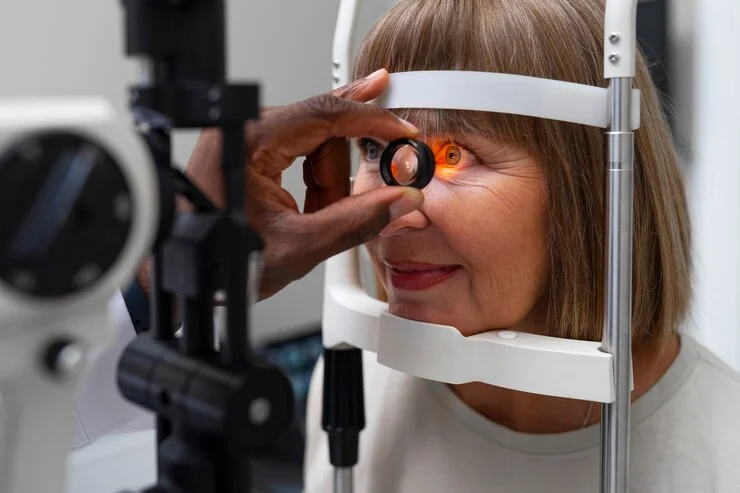
Precise diagnosis is essential for successful Vitreo Retina Management and relies on advanced examination methods. A thorough dilated eye exam allows specialists to assess the retina and vitreous in detail. Optical coherence tomography produces high resolution images that reveal subtle changes in retinal structure. Retinal photography documents baseline findings and tracks changes over time. Ultrasound imaging is useful when direct visualization is limited due to vitreous opacity. These diagnostic tools help confirm conditions and guide treatment decisions. Early and accurate diagnosis improves the chances of preserving vision. Patients benefit from understanding their condition and the purpose of recommended tests.
Medical and Non Surgical Vitreo Retina Management
Not every vitreoretinal condition requires surgery, and non surgical care plays a major role in Vitreo Retina Management. Observation is often appropriate for stable conditions that do not pose immediate risk to vision. Medications may be used to control inflammation or manage systemic diseases affecting the retina. Intravitreal injections deliver targeted therapy directly into the eye to treat swelling or abnormal blood vessel growth. Laser therapy is used to seal retinal tears or slow disease progression in selected cases. Lifestyle modifications also support retinal health and overall treatment success.
Core Non Surgical Options in Vitreo Retina Management
• Routine monitoring and imaging evaluations
• Medication for inflammatory or vascular retinal disease
• Intravitreal injections for targeted treatment
• Laser procedures for retinal protection
• Lifestyle and systemic condition management
These approaches are selected based on individual diagnosis and visual goals. Vitreo Retina Management prioritizes patient specific care plans rather than standardized treatment. Regular follow ups ensure timely adjustments when conditions change.
Surgical Care Within Vitreo Retina Management
Surgical intervention is recommended when vitreoretinal conditions threaten vision or fail to respond to medical therapy. Vitrectomy is a common procedure that removes the vitreous gel to access and repair the retina. This surgery is used to treat retinal detachment, macular holes, and persistent vitreous hemorrhage. Advances in surgical equipment have made these procedures safer and more precise. Many patients experience stabilization or improvement in vision following surgery. Postoperative care is essential to monitor healing and prevent complications. Vitreo Retina Management includes detailed surgical planning and recovery guidance to support optimal outcomes.
Advancing Technology in Vitreo Retina Management
Technological progress continues to shape the future of Vitreo Retina Management. High definition imaging allows earlier detection of subtle retinal changes. Improved surgical instruments enable more controlled and minimally invasive procedures. Digital tracking systems help specialists monitor disease progression over time. Research into new medications and delivery methods expands treatment possibilities. These advancements enhance both diagnostic accuracy and patient comfort. Technology also supports personalized care by allowing treatments to be tailored more precisely. As innovation continues, Vitreo Retina Management becomes more proactive and effective.
Preventive Care for Sustained Retinal Health
Preventive strategies are a vital component of long term Vitreo Retina Management. Regular eye examinations help identify changes before symptoms become disruptive. Managing chronic conditions such as diabetes and high blood pressure reduces stress on retinal blood vessels. A balanced diet rich in eye supporting nutrients contributes to retinal resilience. Avoiding smoking and protecting the eyes from injury further support eye health. Patient education encourages awareness of warning signs that require immediate attention. Preventive care reduces the risk of advanced disease and supports lifelong vision preservation.
Finding the Right Specialist for Vitreo Retina Management
Choosing an experienced specialist is an important step in Vitreo Retina Management. Vitreoretinal specialists have advanced training in diagnosing and treating complex retinal disorders. During consultations, patients receive detailed evaluations and clear explanations of findings and options. Access to modern diagnostic and surgical technology enhances care quality. Collaboration between specialists and general eye doctors ensures continuity of care. Open communication builds trust and improves adherence to treatment plans. Selecting the right provider supports confidence and better visual outcomes.
Frequently Asked Questions About Vitreo Retina Management
What conditions require Vitreo Retina Management
Conditions affecting the vitreous or retina such as retinal detachment, diabetic retinopathy, and macular disorders often require specialized management.
Is Vitreo Retina Management only for severe eye problems
No, it also includes monitoring early stage conditions to prevent progression and protect vision.
Are treatments painful
Most treatments are well tolerated and performed with appropriate anesthesia or numbing techniques.
How long does recovery take after treatment
Recovery varies depending on the type of treatment. Nonsurgical care usually has minimal downtime, while surgery may require several weeks.
Can vision improve after Vitreo Retina Management
Many patients experience stabilized or improved vision depending on the condition and timing of treatment.
How often should follow up visits occur
Follow up schedules are individualized based on diagnosis, treatment type, and risk factors.
Takeaway
Vitreo Retina Management is a critical aspect of eye care that focuses on preserving vision and protecting retinal health. Through early detection, personalized treatment plans, and preventive strategies, patients can reduce the risk of serious vision complications. Advances in technology continue to improve diagnostic accuracy and treatment effectiveness. Consistent follow up and patient education play key roles in long term success. By prioritizing specialized care, individuals can support clearer vision and better quality of life over time.