Pressure ulcer management is critical for patients at risk of skin breakdown, especially those who are bedridden, recovering from surgery, or dealing with chronic medical conditions. Pressure ulcers, also known as bedsores or decubitus ulcers, can lead to serious complications if not addressed properly. Effective management combines early detection, professional care, and preventive strategies that reduce the risk of recurrence. KALINGAP Wound Care Clinic in Quezon City and Metro Manila provides expert pressure ulcer management rooted in compassion and patient-centered care.
Understanding Pressure Ulcers
Pressure ulcers develop when sustained pressure or friction damages the skin and underlying tissue. They often occur in areas where bone is close to the skin, such as the heels, hips, elbows, and tailbone. Patients who remain in one position for long periods, have limited mobility, or suffer from conditions that impair circulation are particularly susceptible. Pressure ulcer management focuses on preventing further tissue damage, promoting healing, and maintaining overall skin health.
Stages of Pressure Ulcers
Recognizing the stages of pressure ulcers is crucial for effective management. Stage 1 involves mild skin redness or discoloration that does not blanch when pressed. Stage 2 includes partial-thickness skin loss with shallow ulcers or blisters. Stage 3 is characterized by full-thickness tissue loss, possibly exposing fat. Stage 4 represents severe tissue damage, potentially affecting muscle, bone, or supporting structures. Pressure ulcer management strategies differ depending on the stage, making early detection and intervention essential.
Causes and Risk Factors
Pressure ulcers develop due to a combination of factors that increase skin vulnerability. Prolonged immobility is one of the most common causes, as constant pressure reduces blood flow and oxygen supply to tissues. Poor nutrition and hydration weaken the skin and slow healing, while inadequate hygiene can lead to infections that worsen ulcers. Medical conditions such as diabetes, vascular disease, or neuropathy can also impair healing. Friction and shear, especially in patients who are moved improperly or slide in bed, contribute to tissue breakdown. Understanding these factors helps caregivers and healthcare professionals implement effective prevention and management strategies.
Signs and Symptoms to Watch For
Pressure ulcer management begins with early recognition of warning signs. Redness, warmth, swelling, or tenderness may indicate the onset of a pressure ulcer. Open sores, blisters, or areas of darkened skin suggest more advanced tissue damage. Foul odor, discharge, or increased pain can indicate infection, which requires prompt medical attention. Regular skin inspections, especially for patients with limited mobility, are vital in identifying these warning signs and initiating proper care.
Treatment Options at KALINGAP Wound Care Clinic
KALINGAP Wound Care Clinic provides comprehensive pressure ulcer management using modern techniques and evidence-based practices. Treatments are tailored to the patient’s needs, focusing on both healing the wound and maintaining overall health.
Advanced Wound Assessment
Effective pressure ulcer management starts with a thorough evaluation. KALINGAP conducts detailed assessments using evidence-based tools to determine ulcer stage, underlying conditions, and risk factors. This evaluation forms the foundation of a personalized treatment plan, ensuring each patient receives care suited to their specific situation.
Ultrasonic Debridement
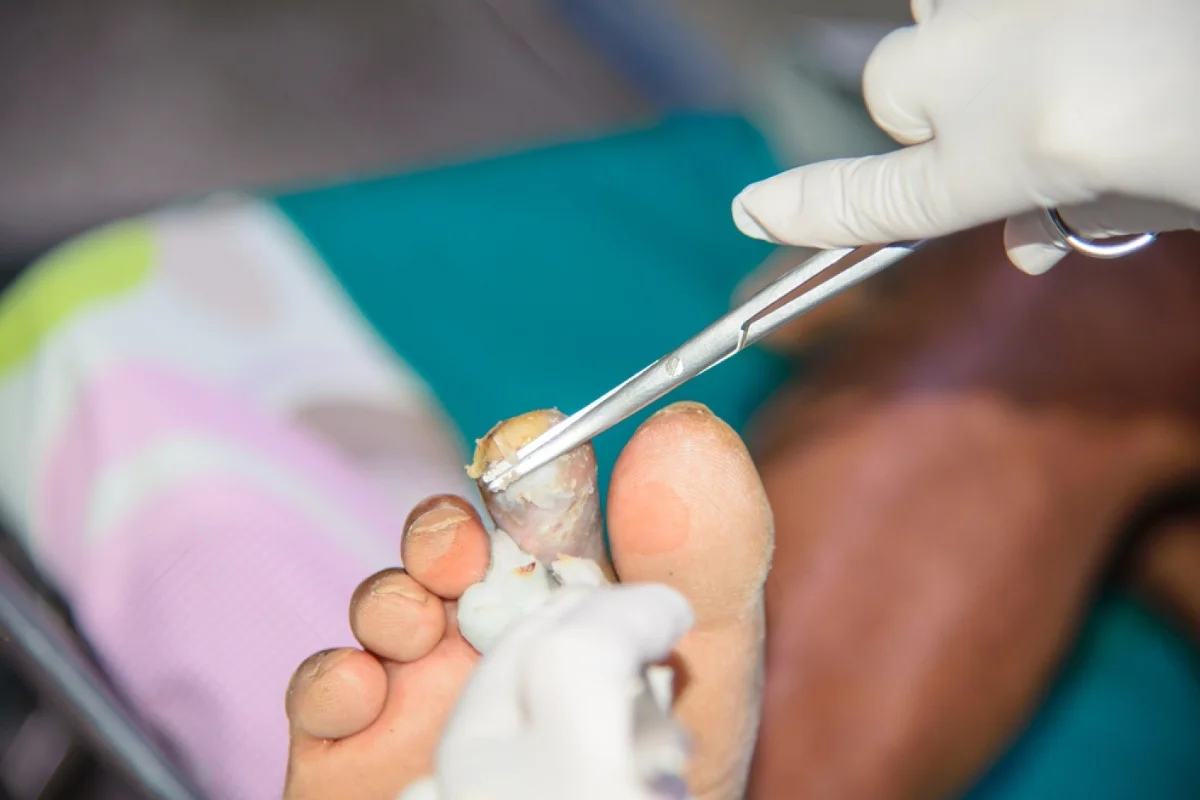
Ultrasonic-assisted debridement is a gentle method used to remove dead or damaged tissue, promoting faster healing and reducing the risk of infection. This technique is particularly beneficial for patients with complex or non-healing ulcers, as it helps prepare the wound for optimal recovery.
Negative Pressure Wound Therapy
Negative pressure wound therapy (NPWT) uses a controlled vacuum to draw out fluid and stimulate blood flow to the affected area. This method accelerates healing, especially for deep or stubborn pressure ulcers. NPWT is a key component of advanced pressure ulcer management, offering patients improved outcomes and reduced healing times.
Pressure Ulcer Treatment Plans
Comprehensive treatment plans at KALINGAP include specialized support surfaces such as pressure-relieving mattresses or cushions, advanced wound dressings, and offloading techniques to reduce pressure on vulnerable areas. Regular repositioning, combined with these interventions, is crucial to ensure effective management and prevent further tissue damage.
Infection Management
Pressure ulcers are prone to infection, which can complicate healing and lead to severe health issues. KALINGAP emphasizes early detection and treatment of infected ulcers, using targeted therapies and ongoing monitoring to maintain optimal patient health. Timely intervention is an essential aspect of pressure ulcer management.
Chronic Wound Support
Patients with persistent or slow-healing ulcers require long-term care and monitoring. KALINGAP provides ongoing support for chronic wounds, integrating advanced therapies, lifestyle guidance, and caregiver education. Chronic wound management ensures that patients maintain skin integrity, prevent recurrence, and experience improved quality of life.
Prevention and Care at Home
Pressure ulcer management extends beyond clinic care. Educating patients and caregivers on preventive measures significantly reduces the risk of ulcer development. Regular repositioning, proper hygiene, and adequate nutrition are fundamental. Caregivers are trained on techniques to relieve pressure, protect vulnerable areas, and detect early signs of skin breakdown. KALINGAP offers one-on-one education sessions to equip families with the knowledge and skills needed to prevent pressure ulcers at home.
Meet Dr. Lou Mervyn Tec
Dr. Lou Mervyn Tec, MD, FPOA, is a board-certified orthopedic surgeon and recognized expert in pressure ulcer management. He heads the KALINGAP Wound Care Program, delivering advanced care with compassion and respect for patients’ unique needs. Educated at the University of the Philippines and trained in Japan and Australia, Dr. Tec integrates global best practices with a Filipino approach to care, guided by the values of kalinga and lingap. His leadership ensures that every patient receives personalized treatment focused on both wound healing and overall well-being.
Why Choose KALINGAP Wound Care Clinic
KALINGAP Wound Care Clinic stands out for its comprehensive, patient-centered approach to pressure ulcer management. The clinic combines advanced technologies with compassionate care, making quality treatment accessible and affordable. Outreach programs and community partnerships help bridge healthcare gaps for families in Quezon City and Metro Manila. The team supports patients and caregivers with education, preventive strategies, and ongoing monitoring, creating a holistic healing experience that addresses both physical and emotional needs.
Takeaway
Pressure ulcer management is essential for preventing serious complications and improving patient outcomes. Early detection, professional care, and preventive measures work together to protect skin health and support recovery. KALINGAP Wound Care Clinic offers expert guidance, advanced treatment options, and compassionate care to help patients manage and heal pressure ulcers. Seeking professional care promptly ensures effective management and a smoother healing journey.
FAQ
What is pressure ulcer management?
Pressure ulcer management involves assessment, treatment, and prevention of bedsores. It includes wound care, infection control, offloading pressure, and education for patients and caregivers.
How can pressure ulcers be prevented?
Prevention includes regular repositioning, proper hygiene, adequate nutrition, use of pressure-relieving surfaces, and early recognition of skin changes.
Who is at risk for pressure ulcers?
Patients with limited mobility, those recovering from surgery, elderly individuals, and those with medical conditions like diabetes or vascular disease are most at risk.
How does negative pressure wound therapy help?
Negative pressure wound therapy promotes healing by improving blood flow, removing excess fluid, and reducing infection risk in deep or stubborn ulcers.
Can pressure ulcers heal completely?
With proper management, many pressure ulcers can heal completely. Healing depends on early intervention, ulcer stage, underlying health conditions, and adherence to treatment and preventive strategies.
Why choose KALINGAP Wound Care Clinic for pressure ulcer management?
KALINGAP provides advanced therapies, personalized treatment plans, caregiver education, and compassionate care guided by Filipino values of kalinga and lingap, ensuring patients receive effective and holistic wound management.