Wounds that do not heal properly can lead to severe complications, infections, and even hospitalizations. Debridement is a medical procedure that targets these challenges by removing dead, infected, or damaged tissue from wounds, allowing the body to heal more effectively. At The Specialist Surgery & Cancer Center (TSSCC) in Quezon City, Metro Manila, patients benefit from expert Debridement delivered by experienced doctors in a clean, patient-focused environment. TSSCC is committed to offering accessible, affordable, and precise wound care for individuals with chronic wounds, post-surgical complications, or traumatic injuries. By addressing wounds early, patients can prevent more serious health problems and reduce the overall cost and discomfort of treatment.
Debridement is essential for anyone experiencing wounds that heal slowly, are infected, or show tissue damage that hinders recovery. At TSSCC, our focus is on promoting safe, timely, and effective treatment so patients across Metro Manila and other parts of the Philippines can achieve better outcomes.
What is Debridement?
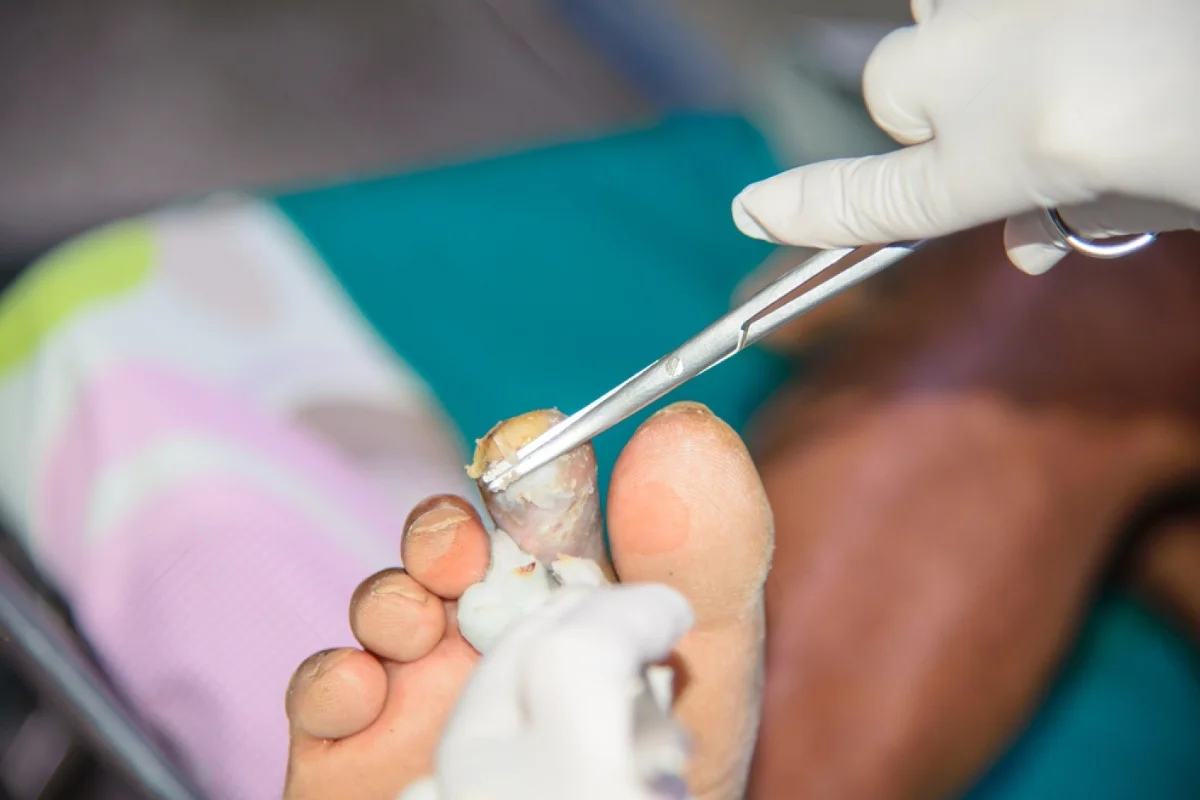
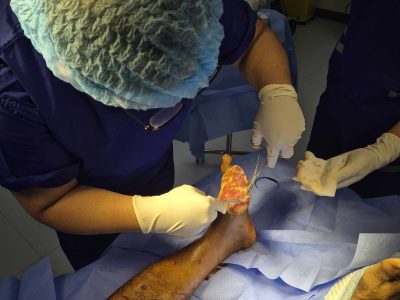
Debridement is a medical procedure designed to remove dead, damaged, or infected tissue from wounds. Removing unhealthy tissue creates an optimal environment for healthy tissue to grow, significantly accelerating the healing process. This procedure also reduces the risk of infection, which can otherwise worsen the wound and lead to hospital visits or more invasive treatments. Debridement prepares wounds for closure or additional treatments, such as skin grafts or advanced wound management strategies.
At TSSCC, Debridement is performed by doctors trained in advanced wound care principles. Each procedure is carried out with precision, ensuring that healthy tissue is preserved while damaged tissue is removed. Patients experience a safe and controlled environment that minimizes complications and promotes quicker recovery. Debridement is especially valuable for wounds that fail to heal naturally, as it addresses the underlying issue that prevents tissue regeneration.
Who Needs Debridement?
Debridement is recommended for patients whose wounds are slow to heal or blocked by damaged tissue. Individuals who may require Debridement include those with chronic wounds such as pressure sores or diabetic ulcers. Patients recovering from surgery who experience delayed healing may also benefit from this procedure, as well as those with traumatic injuries that show visible tissue damage. Infected or necrotic wounds, where tissue has begun to die due to infection or poor blood supply, are also strong candidates for Debridement. Venous ulcers or wounds with persistent inflammation that resist natural healing are other situations where Debridement is highly effective.
Filipinos with limited mobility, chronic illnesses, or conditions that increase the risk of infection can gain significant advantages from early Debridement. Seeking care before complications arise not only protects overall health but also reduces the likelihood of hospitalization. Patients from Metro Manila and other regions frequently visit TSSCC in Quezon City for timely evaluation, personalized treatment plans, and ongoing support during recovery.
How Debridement Works at TSSCC
Debridement at TSSCC begins with a thorough assessment of the wound by an experienced doctor. The doctor evaluates the type, size, and condition of the wound to determine the most effective approach. Debridement can be performed using several methods, including surgical removal, mechanical cleaning, enzymatic treatments, or specialized dressings. Each method is tailored to the patient’s needs, ensuring that only unhealthy tissue is removed while promoting the regrowth of healthy tissue.
During the procedure, patients are treated in a clean, controlled environment designed to reduce the risk of infection. Skilled doctors focus on precision and safety, carefully monitoring the wound to achieve optimal results. After Debridement, patients receive guidance on proper wound care, including dressings, medications, and follow-up visits to monitor healing progress. Outpatient procedures allow patients to recover comfortably at home while minimizing exposure to hospital-acquired infections.
Debridement accelerates the healing process by removing tissue that can impede recovery. Healthy tissue can then regenerate without obstruction, which decreases the overall time required for the wound to close and reduces the risk of long-term complications. This approach not only supports physical recovery but also improves patient confidence, knowing that their wound is receiving expert care.
Challenges Patients Face Without Timely Debridement
Delaying Debridement can have serious consequences. Wounds that do not receive proper care may become infected, leading to additional health risks. Chronic wounds that are left untreated can expand or deepen, increasing the risk of hospitalization or the need for more invasive procedures. Delays in treatment can also escalate the overall cost of care, as infections or complications often require extended medical attention and expensive interventions.
Patients often hesitate to seek care due to long hospital waits or the perceived expense of treatment. Crowded hospitals, long queues, and exposure to other patients can discourage timely medical attention. Choosing to ignore symptoms or delaying evaluation can allow minor issues to progress into severe conditions. Debridement addresses these challenges by offering accessible and efficient outpatient care, reducing waiting times and promoting early intervention before the wound worsens.
TSSCC Advantages
TSSCC provides patients with multiple advantages when it comes to Debridement and overall wound care. Outpatient procedures allow patients to heal in the comfort of their own homes, reducing exposure to potential hospital-acquired infections. Value-for-money pricing ensures that patients can seek timely care without worrying about excessive costs.
Doctors at TSSCC design personalized care plans for each patient, considering factors such as age, wound type, and overall health. Early evaluation and Debridement prevent minor issues from escalating into serious medical problems. Patients benefit from expert guidance throughout the recovery process, including wound monitoring, dressing changes, and follow-up visits.
Choosing TSSCC for Debridement means receiving care from experienced doctors who prioritize patient safety and long-term health. The clinics in Quezon City maintain a clean and patient-friendly environment, ensuring comfort and confidence at every stage of treatment.
Takeaway
Debridement plays a crucial role in supporting wound healing, preventing infections, and reducing the need for hospitalization. The Specialist Surgery & Cancer Center provides expert Debridement services in Quezon City, offering accessible, affordable, and safe care for patients with chronic wounds, post-surgical injuries, and other wound-related conditions. Timely intervention and proper treatment allow patients to recover faster, avoid complications, and improve overall quality of life. Seeking professional care for wounds early ensures that recovery is efficient and that patients remain healthy and active.
TSSCC remains committed to delivering precise, patient-focused care, combining advanced wound management principles with expert guidance to achieve the best outcomes. Early evaluation and Debridement can make a significant difference in recovery, protecting health while reducing both cost and discomfort.
Frequently Asked Questions (FAQs)
What types of wounds require Debridement?
Debridement is recommended for chronic wounds like pressure sores, diabetic ulcers, post-surgical wounds that heal slowly, traumatic injuries with tissue damage, infected wounds, necrotic wounds, and venous ulcers.
Is Debridement painful?
Patients may experience mild discomfort during Debridement, but the procedure is performed with care to minimize pain. Local anesthesia or numbing agents may be used depending on the wound type and treatment method.
How long does recovery take after Debridement?
Recovery time varies depending on the wound size, type, and patient health. Many patients experience faster healing when Debridement is combined with proper wound care and follow-up support.
Can Debridement prevent hospitalization?
Timely Debridement reduces the risk of infection and serious complications, often preventing the need for hospital stays or more invasive procedures.
Is Debridement covered by insurance?
Coverage depends on the patient’s insurance plan. Patients can consult with TSSCC staff to confirm coverage options and affordable payment plans.
How often is Debridement needed?
Some wounds may require repeated Debridement sessions, especially chronic or complicated wounds. Doctors at TSSCC assess progress and schedule follow-ups as needed.
Can Debridement be performed at home?
Debridement itself is performed at the clinic for safety and precision. Outpatient care allows patients to continue recovery at home with guidance from doctors.