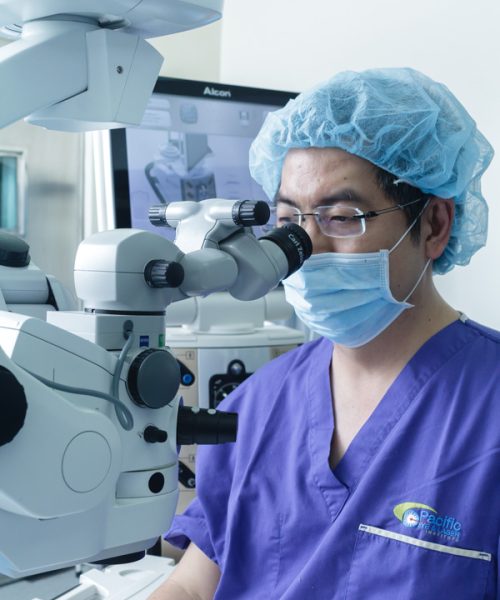
The eyes are often called the windows to the soul, and the area surrounding them plays a critical role in both function and appearance. Conditions such as droopy eyelids, excessive tearing, or injuries around the eyes can impact vision, confidence, and quality of life. Oculoplastic & Reconstructive Surgery is a specialized branch of ophthalmology designed to address these concerns, providing both functional improvements and aesthetic enhancements. This branch of surgery focuses on the eyelids, tear ducts, eye socket, and the nearby facial structures, offering solutions that combine precision, safety, and beauty.
Oculoplastic & Reconstructive Surgery is not only about aesthetics. It also ensures that critical structures around the eyes are preserved, protecting vision while correcting abnormalities. Patients often seek this surgery for medical reasons, cosmetic reasons, or both. The procedures performed by oculoplastic surgeons range from eyelid lifts and Botox treatments to complex reconstructions following trauma or tumors. Each treatment is tailored to meet the patient’s specific needs, ensuring optimal results and safety.
What is Oculoplastic & Reconstructive Surgery?
Oculoplastic & Reconstructive Surgery is a medical specialty that merges the knowledge of ophthalmology with plastic and reconstructive surgical techniques. Its primary goal is to improve the function, appearance, and structural integrity of the periocular region. The eye itself is delicate, and surgical interventions require not only expertise in surgery but also a deep understanding of eye anatomy and physiology.
The eyelids, tear ducts, eye socket, and surrounding facial areas are interconnected, and abnormalities in one area can affect the others. Oculoplastic & Reconstructive Surgery addresses these issues by combining precise surgical techniques with advanced diagnostic tools. Functional procedures aim to correct conditions such as droopy eyelids, blocked tear ducts, or orbital fractures. Aesthetic procedures enhance the appearance of the eyes and surrounding areas, creating a youthful, balanced, and harmonious look. Patients seeking improvements for droopy eyelids, sagging skin, or hollowed eye sockets often find solutions through these surgeries.
Common Conditions Treated
Oculoplastic & Reconstructive Surgery addresses a wide range of conditions affecting the eyes and surrounding structures. Some of the most common issues include eyelid deformities or abnormalities such as ptosis, where the upper eyelid droops, and dermatochalasis, which involves excess eyelid skin. These conditions can obstruct vision and impact overall eye function, and surgery can restore both appearance and clarity of vision.
Thyroid-related eye conditions, such as thyroid eye disease, often cause swelling, bulging, or retraction of the eyelids. Oculoplastic & Reconstructive Surgery can correct these changes, improving both functionality and comfort. Tumors affecting the eyelids or orbital area require careful removal and sometimes reconstruction to restore natural appearance and support eye function.
Blocked tear ducts, which cause excessive tearing or chronic infections, are another common concern. Oculoplastic surgeons can perform dacryocystorhinostomy or other procedures to restore proper tear drainage. Trauma or fractures in the orbital area are often caused by accidents or sports injuries. Oculoplastic & Reconstructive Surgery repairs these injuries, restoring normal anatomy and preventing long-term complications.
Who Performs Oculoplastic & Reconstructive Surgery?
An oculoplastic surgeon is an ophthalmologist who has undergone additional training in plastic and reconstructive surgery specifically related to the eyes and surrounding facial structures. This specialized training equips them to handle delicate procedures that impact both appearance and function. Unlike general surgeons, oculoplastic surgeons understand the intricate anatomy of the eye and the importance of preserving vision during surgery.
These surgeons are uniquely qualified to perform eyelid lifts, tear duct reconstructions, orbital fracture repairs, and cosmetic enhancements around the eyes. Because the eyes are involved in all visual tasks, safety and precision are paramount. Oculoplastic & Reconstructive Surgery requires a surgeon who can carefully balance the need for functional correction with aesthetic improvement, ensuring the best possible outcome for the patient.
Aesthetic and Reconstructive Procedures
Oculoplastic & Reconstructive Surgery offers a broad spectrum of procedures, both functional and cosmetic. Cosmetic treatments focus on enhancing the appearance of the eyes and surrounding areas. Blepharoplasty, or eyelid lift surgery, is one of the most commonly requested procedures. It removes excess skin, fat, and muscle to create a refreshed and youthful appearance. Botox and facial fillers can complement surgical procedures by smoothing wrinkles and restoring volume around the eyes.
Reconstructive procedures are equally important, especially for patients who have suffered trauma, congenital abnormalities, or tumors. Anophthalmic reconstruction restores the shape and function of the eye socket for patients who have lost an eye. Orbital fracture repair addresses injuries to the eye socket, ensuring proper alignment and appearance. Oculoplastic & Reconstructive Surgery also treats eyelid malpositions such as entropion and ectropion, which can cause irritation or damage to the eye.
Patients considering aesthetic procedures can benefit from a tailored approach, combining surgery, minimally invasive treatments, and post-operative care. Oculoplastic & Reconstructive Surgery allows patients to achieve functional improvements while enhancing confidence and appearance.
Why Choose Peregrine Eye and Laser Institute
Peregrine Eye and Laser Institute (PELI) has established itself as a leading provider of oculoplastic and reconstructive services in Metro Manila. Founded by Mr. Jimmy Tan, Dr. Harvey Uy, and Dr. Pik Sha Chan Uy, PELI combines advanced technology, world-class expertise, and patient-focused care. The institute operates three facilities in Makati, Manila, and Quezon City, ensuring accessibility and convenience for patients.
PELI’s medical team consists of specialists trained at globally recognized institutions, including Harvard Medical School, Johns Hopkins University, UCLA, California Pacific Medical Center, University of Wisconsin, and Singapore National Eye Center. These experts have decades of surgical and clinical experience, allowing them to handle both simple and complex cases with confidence.
State-of-the-art facilities at PELI include advanced operating theaters and diagnostic equipment designed for precision and safety. The institute prioritizes patient comfort, employing well-trained staff and modern IT systems for appointment scheduling and follow-up care. Every patient receives clear information about procedures, expected outcomes, and recovery, ensuring a smooth and informed experience.
What to Expect During Your Consultation
During a consultation for Oculoplastic & Reconstructive Surgery, patients meet with an experienced surgeon to discuss goals, concerns, and medical history. The surgeon performs a thorough examination of the eyes and surrounding structures, identifying areas that require attention. Diagnostic imaging and tests may be used to assess tear ducts, eyelid position, or orbital anatomy.
The surgeon explains available options, including surgical and non-surgical approaches, and recommends a personalized plan. Patients are informed about potential risks, recovery time, and expected outcomes. The consultation is an opportunity to ask questions, review before-and-after examples, and understand the benefits of Oculoplastic & Reconstructive Surgery for both function and appearance.
Takeaway
Oculoplastic & Reconstructive Surgery offers a unique combination of functional and aesthetic benefits for patients seeking to improve their eyes and surrounding areas. From correcting droopy eyelids and tear duct obstructions to reconstructing areas affected by trauma or tumors, these procedures enhance vision, comfort, and appearance. Peregrine Eye and Laser Institute provides expert care in Metro Manila, with world-class surgeons, advanced technology, and personalized service designed to deliver the best outcomes. Patients can achieve both confidence and improved quality of life through safe, effective, and precise oculoplastic and reconstructive procedures.
FAQ About Oculoplastic & Reconstructive Surgery
What is the difference between cosmetic and reconstructive oculoplastic surgery?
Cosmetic procedures focus on enhancing the appearance of the eyes and surrounding areas, while reconstructive procedures address functional issues such as eyelid malpositions, trauma, tumors, or congenital abnormalities. Many patients benefit from a combination of both.
Who is a good candidate for oculoplastic surgery?
Patients experiencing droopy eyelids, excessive tearing, orbital trauma, eyelid tumors, or age-related changes may benefit. Candidates should be in good overall health and have realistic expectations about the results.
Is oculoplastic surgery safe?
Yes, when performed by a qualified oculoplastic surgeon, procedures are safe. These surgeons are trained to protect vision while addressing functional and cosmetic concerns.
How long does it take to see results?
For minor procedures, results can be noticeable within days. More complex reconstructions may require several weeks for swelling to subside and full results to be visible.
Will I experience pain during recovery?
Mild discomfort or swelling is common but manageable with prescribed medications. Follow-up care ensures proper healing and addresses any concerns.
Can oculoplastic surgery improve vision?
Yes, functional procedures such as eyelid lifts or tear duct reconstructions can improve vision or relieve symptoms caused by eyelid or tear duct issues.
How do I schedule a consultation at PELI?
Patients can book a consultation through PELI’s website, by phone, or at any of the three facilities in Makati, Manila, and Quezon City. The consultation provides a comprehensive evaluation and personalized treatment plan.