Uveitis is a serious eye condition that can lead to permanent vision loss if left untreated. Understanding uveitis and seeking proper medical care is crucial for preserving eyesight and maintaining overall eye health. Uveitis Treatment addresses inflammation inside the eye and can prevent complications that compromise vision. Peregrine Eye and Laser Institute offers advanced care for patients experiencing eye inflammation, combining global expertise with compassionate service.
Early diagnosis and appropriate Uveitis Treatment are essential. The condition can affect one or both eyes and may appear suddenly or gradually. Symptoms can range from mild discomfort to severe pain, making awareness and timely intervention critical. Patients experiencing red eyes, blurred vision, floaters, or light sensitivity should consider consulting an ophthalmologist immediately to evaluate the need for Uveitis Treatment.
Understanding Uveitis
Uveitis refers to inflammation of the uvea, the middle layer of the eye that includes the iris, ciliary body, and choroid. While the uvea is the primary site affected, the inflammation can extend to other parts of the eye such as the retina, lens, or vitreous. Uveitis can be classified into four main types: anterior, intermediate, posterior, and panuveitis, depending on the location of inflammation. Each type may present different symptoms and requires tailored Uveitis Treatment.
Anterior uveitis, the most common form, affects the front part of the eye and often causes redness, eye pain, and sensitivity to light. Intermediate uveitis primarily involves the vitreous, leading to floaters or blurred vision. Posterior uveitis affects the retina or choroid, which can severely impact vision if left untreated. Panuveitis involves inflammation across all layers of the uvea and requires comprehensive management. Peregrine Eye and Laser Institute provides specialized care for each type, ensuring that Uveitis Treatment is customized to the patient’s condition.
Symptoms of Uveitis
Recognizing the symptoms of uveitis is critical for timely intervention. The most common signs include red eyes, eye pain, blurred vision, light sensitivity, and the presence of floaters in the visual field. Some patients may experience mild irritation, while others may encounter severe discomfort that interferes with daily activities. Chronic or recurrent uveitis can lead to complications such as glaucoma, cataracts, or retinal damage if not managed properly.
Uveitis Treatment aims to alleviate symptoms while addressing the underlying cause of inflammation. Prompt treatment reduces the risk of permanent damage and improves long-term visual outcomes. Peregrine Eye and Laser Institute emphasizes patient education so individuals understand the importance of reporting symptoms early to prevent vision loss.
Causes and Risk Factors
Uveitis may result from various causes. Autoimmune conditions like lupus and rheumatoid arthritis are common triggers, as the body’s immune system mistakenly attacks ocular tissues. Eye infections caused by bacteria, viruses, or fungi also lead to inflammation requiring urgent Uveitis Treatment. Trauma or injury to the eye, as well as systemic diseases, can further increase the risk of developing uveitis.
Understanding the root cause is essential for effective Uveitis Treatment. For autoimmune-related cases, treatment may involve immunosuppressive medications alongside steroids to control inflammation. Infectious uveitis requires targeted antibiotics or antiviral therapy. Peregrine Eye and Laser Institute ensures accurate diagnosis using advanced imaging and laboratory testing, so treatment plans directly address the specific cause of inflammation.
Diagnosis at Peregrine Eye and Laser Institute
Accurate diagnosis is the foundation of effective Uveitis Treatment. Peregrine Eye and Laser Institute uses comprehensive eye examinations to evaluate the extent of inflammation and determine the type of uveitis. Diagnostic tools include slit-lamp biomicroscopy, retinal imaging, optical coherence tomography (OCT), and laboratory tests to identify underlying infections or systemic conditions.
Peregrine Eye’s ophthalmologists bring global training and decades of clinical experience to every patient. Specialists trained at Harvard Medical School, Johns Hopkins University, UCLA, California Pacific Medical Center, University of Wisconsin, and Singapore National Eye Center contribute to accurate diagnoses and effective treatment plans. The combination of advanced technology and expert evaluation ensures patients receive precise Uveitis Treatment that addresses their specific needs.
Treatment Options
Uveitis Treatment depends on the type, cause, and severity of inflammation. Steroids are commonly used to reduce inflammation and prevent damage to ocular structures. They can be administered as eye drops, oral medication, or injections, depending on the affected area. In cases caused by infection, antibiotics or antiviral medications are necessary to eliminate the pathogen and control inflammation.
For chronic or recurrent uveitis, long-term management may include immunosuppressive medications or biologic agents to prevent flare-ups. Regular monitoring is critical to ensure treatment effectiveness and minimize side effects. Peregrine Eye and Laser Institute emphasizes a patient-centered approach, tailoring Uveitis Treatment plans to each individual’s medical history and lifestyle.
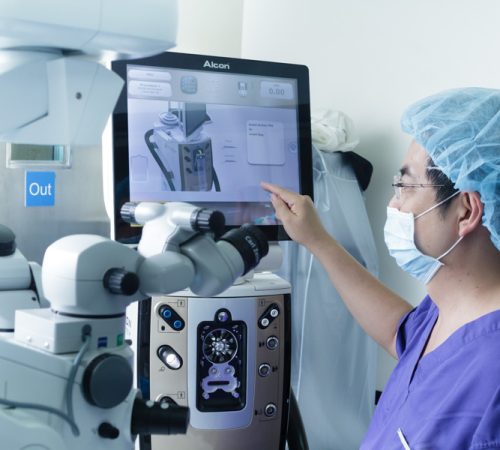
Surgical intervention may be required in severe cases where complications such as cataracts or glaucoma develop due to chronic inflammation. Peregrine Eye’s state-of-the-art operating theaters and experienced surgeons allow safe and effective procedures, ensuring patients receive comprehensive care from diagnosis to treatment and follow-up.
Preventing Complications
Early intervention is key to preventing vision loss from uveitis. Regular eye check-ups allow ophthalmologists to detect inflammation before it causes irreversible damage. Patients should report any new symptoms, such as blurred vision, pain, or light sensitivity, as early treatment significantly improves outcomes.
Lifestyle factors and management of underlying conditions also play a role in preventing complications. Maintaining overall health, managing autoimmune diseases, and avoiding eye trauma reduce the risk of recurrent inflammation. Peregrine Eye and Laser Institute provides education on preventive strategies alongside Uveitis Treatment, empowering patients to protect their vision long-term.
Why Choose Peregrine Eye and Laser Institute
Peregrine Eye and Laser Institute offers comprehensive Uveitis Treatment with a combination of expertise, advanced technology, and compassionate care. Facilities located in Makati, Manila, and Quezon City provide convenient access for patients throughout Metro Manila. The team of ophthalmologists includes specialists trained at world-renowned institutions, offering both medical knowledge and extensive surgical experience.
Patients benefit from personalized care, efficient scheduling, and modern clinic environments designed for comfort. Peregrine Eye invests in continuous staff training and technological upgrades, ensuring that every patient receives high-quality Uveitis Treatment with minimal stress or inconvenience. Whether managing acute inflammation or chronic conditions, Peregrine Eye provides a holistic approach that prioritizes both eye health and patient well-being.
Takeaway
Uveitis Treatment is essential for protecting your vision and preventing long-term complications. Recognizing symptoms early, understanding causes, and seeking professional care significantly improve outcomes. Peregrine Eye and Laser Institute provides world-class Uveitis Treatment in Metro Manila, combining advanced technology, skilled specialists, and personalized care to help patients preserve their eyesight and maintain healthy eyes. Schedule a consultation today to address eye inflammation and take proactive steps toward better vision.
Frequently Asked Questions (FAQ)
What is the best treatment for uveitis?
The most effective Uveitis Treatment depends on the cause and type of inflammation. Steroids are commonly used to reduce inflammation, while antibiotics or antiviral medications are necessary for infection-related cases. Chronic or recurrent uveitis may require additional medications or immunosuppressive therapy.
How long does Uveitis Treatment take?
Treatment duration varies depending on the severity and cause. Acute cases may resolve within days to weeks with medication, while chronic cases require ongoing management and regular monitoring.
Can Uveitis cause permanent vision loss?
Yes, untreated uveitis can damage the uvea, retina, or other eye structures, leading to permanent vision loss. Early diagnosis and proper Uveitis Treatment are critical for preventing complications.
Is Uveitis common in children?
Uveitis can occur at any age, including children. Pediatric cases often require careful monitoring and treatment to prevent long-term eye damage.
Why choose Peregrine Eye for Uveitis Treatment?
Peregrine Eye and Laser Institute provides expert care with advanced technology and personalized attention. Specialists trained at world-renowned institutions offer accurate diagnosis, effective treatment, and ongoing support to protect your vision.
How often should I have follow-up appointments?
Follow-up frequency depends on the severity and type of uveitis. Regular visits ensure that inflammation is controlled, and any complications are addressed promptly. Your ophthalmologist will create a personalized schedule for monitoring.