Diabetic foot ulcers are a serious complication affecting many individuals living with diabetes. They occur when high blood sugar levels, poor circulation, and nerve damage combine to weaken the skin and underlying tissue in the feet. Without timely and effective care, these wounds can become infected, slow to heal, and even lead to severe complications, including amputation. Professional diabetic foot ulcers treatment is critical for preventing these outcomes and promoting full recovery. At Kalingap Wound Care Clinic in Quezon City, patients receive expert care designed to treat existing wounds, prevent infections, and support long-term foot health.
Effective diabetic foot ulcers treatment focuses on both healing the current wound and preventing new ulcers from forming. Advanced wound care techniques, protective dressings, pressure relief strategies, and patient education all play a role in successful treatment. Kalingap Wound Care Clinic combines compassionate care with modern medical approaches, ensuring patients receive high-quality and personalized solutions for their diabetic foot ulcers.
What Are Diabetic Foot Ulcers?
Diabetic foot ulcers are open sores or wounds that most commonly develop on the bottom of the foot in individuals with diabetes. They result from a combination of factors, including neuropathy, which reduces sensation in the feet, poor circulation that slows healing, and the body’s reduced ability to fight infections. Early signs of diabetic foot ulcers include redness, swelling, pain, or drainage from small cuts or blisters. If left untreated, these wounds can worsen quickly and lead to serious infections or tissue damage.
Proper diabetic foot ulcers treatment begins with recognizing symptoms early. Monitoring feet daily, checking for changes in skin color, temperature, or the presence of sores, and seeking prompt medical attention are essential steps. Kalingap Wound Care Clinic emphasizes early detection and intervention, ensuring patients receive treatment before complications arise. Understanding the causes, risks, and warning signs of diabetic foot ulcers is the first step in protecting foot health and achieving successful treatment outcomes.
Why Professional Treatment Matters
Attempting to manage diabetic foot ulcers at home can lead to serious risks. Self-treatment may fail to address underlying issues such as infection, poor circulation, or tissue damage. Professional diabetic foot ulcers treatment provides patients with comprehensive care designed to heal wounds efficiently and prevent recurrence.
At Kalingap Wound Care Clinic, treatment begins with a detailed assessment of the ulcer, including an evaluation of blood flow, tissue health, and infection risk. This approach ensures that care is tailored to each patient’s unique needs. Professional care also includes advanced wound cleaning, the application of specialized dressings, and guidance on pressure relief techniques. Patients benefit from continuous monitoring and adjustments to treatment, which help accelerate healing and prevent complications.
Investing in expert diabetic foot ulcers treatment reduces the risk of long-term damage and ensures patients maintain mobility and independence. Combining medical expertise with patient education also empowers individuals to take control of their foot health and avoid future problems.
How Kalingap Wound Care Clinic Treats Diabetic Foot Ulcers
Kalingap Wound Care Clinic provides a structured, patient-focused approach to diabetic foot ulcers treatment. Each step is designed to optimize healing and promote long-term foot health.
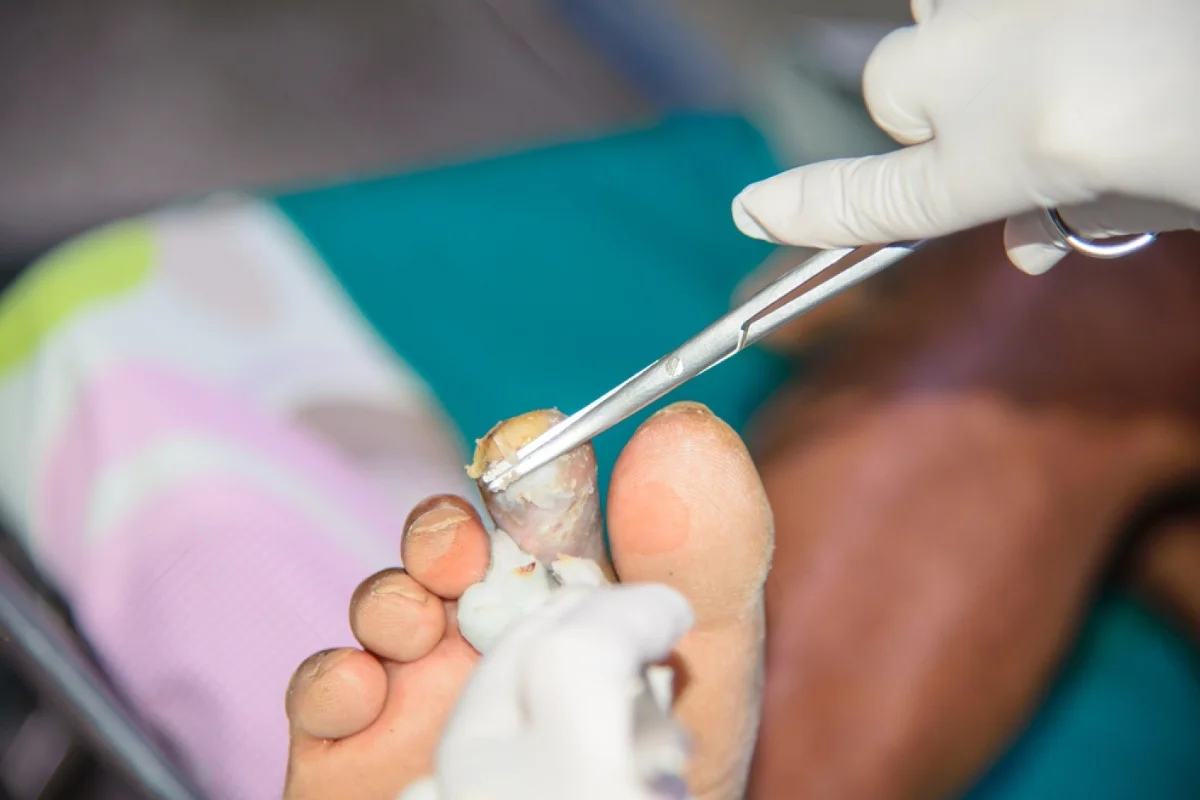
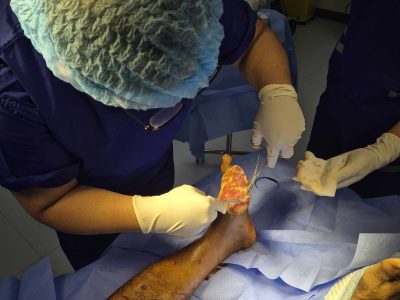
Comprehensive assessment is the first step in treatment. The medical team examines the ulcer, evaluates circulation, and develops a personalized treatment plan. This ensures every patient receives care suited to their specific condition. Wound cleaning and debridement follow, which involves removing dead or infected tissue to stimulate the body’s natural healing processes.
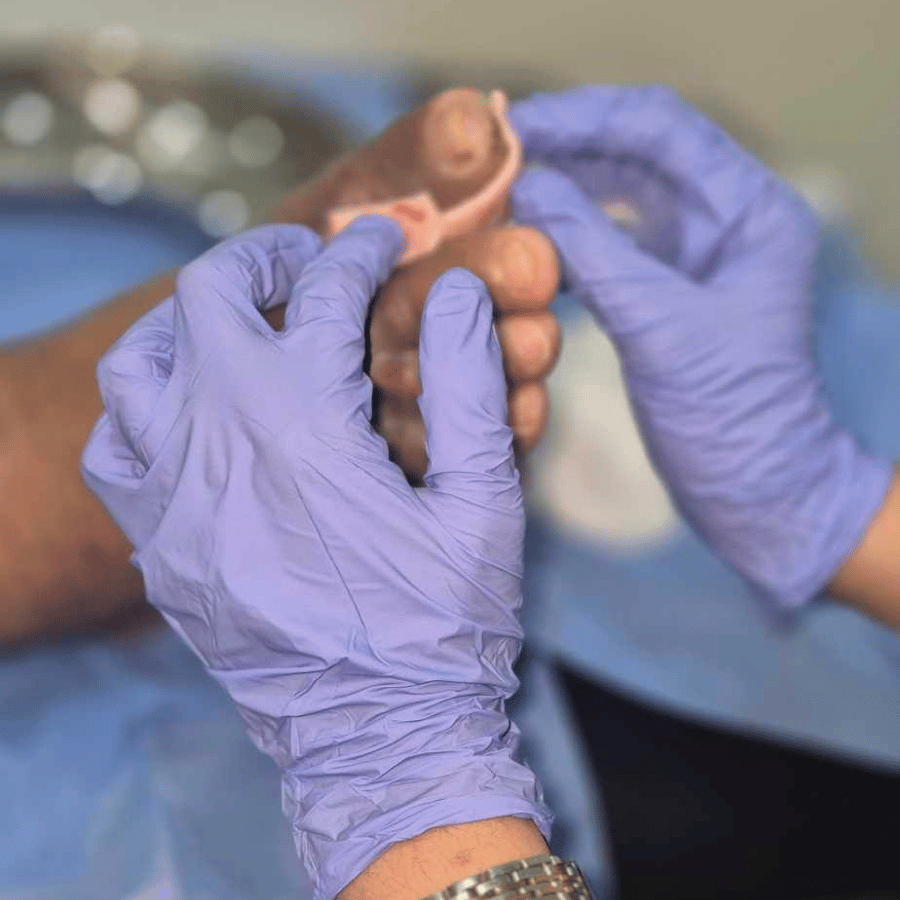
Specialized dressings and offloading techniques are crucial in diabetic foot ulcers treatment. Protective coverings shield the wound while reducing pressure on affected areas using custom footwear or assistive devices. This prevents further damage and supports tissue regeneration. Infection control is maintained through regular monitoring and, when necessary, targeted antibiotic therapy to eliminate harmful bacteria and reduce the risk of complications.
Patient education is another key component of successful diabetic foot ulcers treatment. The team at Kalingap provides guidance on proper foot care, selecting appropriate footwear, managing blood sugar levels, and detecting warning signs early. By educating patients, the clinic ensures that healing continues even outside of treatment sessions and reduces the likelihood of future ulcers.
Benefits of Choosing Kalingap Wound Care Clinic
Patients receiving diabetic foot ulcers treatment at Kalingap Wound Care Clinic enjoy several benefits. The clinic’s expert team specializes in diabetes-related wounds, using advanced techniques that improve healing outcomes. Treatments are designed with patient comfort and long-term foot health in mind, ensuring a safe and effective recovery process.
Kalingap offers affordable care without compromising quality. Understanding that financial constraints can prevent individuals from seeking treatment, the clinic implements outreach programs and practical solutions to make diabetic foot ulcers treatment accessible to everyone. Conveniently located in Quezon City, Kalingap is easily reachable for patients in need of specialized wound care.
Education and preventive care are core elements of treatment at Kalingap. Patients are guided through daily foot care routines, proper footwear use, and strategies for maintaining healthy blood sugar levels. These practices reduce the risk of recurrence and empower patients to actively participate in their recovery.
Patient Education and Aftercare
Successful diabetic foot ulcers treatment goes beyond wound healing. Kalingap Wound Care Clinic equips patients with the knowledge and tools needed to maintain healthy feet and prevent future ulcers. Personalized guidance on foot hygiene ensures that skin is kept clean and protected from infection. Recommendations for proper footwear help prevent pressure points and injury. Patients also receive strategies for blood sugar management, which is essential for wound healing and overall health.
Regular foot examinations are emphasized as part of aftercare. Detecting issues early allows for prompt intervention and reduces the risk of complications. By combining medical treatment with ongoing education, Kalingap ensures patients enjoy lasting results and improved quality of life.
About Kalingap Wound Care Clinic
Kalingap Wound Care Clinic in Quezon City provides compassionate and advanced care for patients with diabetic foot ulcers. The clinic’s name comes from the Filipino words “Kalinga” (care) and “Lingap” (nurture), reflecting the clinic’s mission to deliver supportive and patient-focused treatment.
The clinic strives to be a trusted referral center for wound care, offering modern treatments and a comfortable healing environment. Kalingap recognizes that many individuals face financial or logistical barriers to care. Through community outreach and practical affordability programs, the clinic ensures that expert diabetic foot ulcers treatment is accessible to everyone.
Patients at Kalingap receive more than wound care. The clinic provides education, preventive strategies, and emotional support, making the healing process smooth and reassuring. Every patient is treated with dignity and compassion, ensuring both physical and emotional well-being throughout their treatment journey.
Takeaway
Diabetic foot ulcers treatment requires professional care, early intervention, and ongoing patient education. Kalingap Wound Care Clinic in Quezon City provides comprehensive care tailored to each patient’s needs, combining advanced wound healing techniques with preventive strategies and compassionate support. By choosing Kalingap, patients receive expert care, achieve better healing outcomes, and gain the knowledge to maintain long-term foot health.
FAQs About Diabetic Foot Ulcers Treatment
What are the main causes of diabetic foot ulcers?
Diabetic foot ulcers are often caused by a combination of neuropathy, poor circulation, high blood sugar, and injuries to the feet. These factors make it difficult for wounds to heal naturally.
How long does treatment for diabetic foot ulcers take?
Treatment length varies depending on the severity of the ulcer, circulation, and infection presence. With proper care at Kalingap, many patients see significant improvement within weeks, while complex cases may take longer.
Can diabetic foot ulcers be prevented?
Yes. Regular foot hygiene, appropriate footwear, daily foot checks, and blood sugar management can greatly reduce the risk of developing ulcers.
Is surgery required for diabetic foot ulcers?
Most ulcers can be treated with advanced wound care, cleaning, and dressings. Surgery may only be necessary in severe cases where tissue damage or infection is extensive.
What makes Kalingap Wound Care Clinic different?
Kalingap combines expert care, affordable solutions, and patient-focused treatment. The clinic emphasizes both healing current wounds and educating patients to prevent recurrence.
Are diabetic foot ulcers treatment services covered by insurance?
Coverage depends on the patient’s insurance plan. Kalingap can guide patients through available options and provide affordable care solutions when needed.
How often should I visit the clinic for diabetic foot ulcers treatment?
Visits are usually scheduled based on the ulcer’s severity and healing progress. Regular monitoring is essential to ensure proper healing and prevent complications.