Understanding the Silent Threat to Vision
Glaucoma is one of the leading causes of irreversible blindness worldwide, yet many people remain unaware of its presence until it reaches an advanced stage. This eye condition damages the optic nerve, which is responsible for sending visual signals to the brain. In most cases, this damage is linked to increased pressure inside the eye, although some individuals may develop glaucoma even with normal pressure levels. Because of its gradual and symptomless progression, it can quietly compromise vision over time.
This makes glaucoma screening and diagnosis in Bicol a critical aspect of preventive healthcare. Many residents may not prioritize eye exams unless they experience discomfort, but glaucoma rarely provides early warning signs. By the time noticeable vision loss occurs, significant damage may already be present.
Different forms of glaucoma behave in distinct ways. Open-angle glaucoma progresses slowly and is the most common type, while angle-closure glaucoma can develop suddenly and requires urgent care. There are also secondary forms that arise due to injury or other medical conditions. Understanding these variations highlights the importance of comprehensive screening methods.
Raising awareness about glaucoma is essential for encouraging early detection. When individuals understand how the disease works, they are more likely to seek regular check-ups. In the context of glaucoma screening and diagnosis in Bicol, this awareness can help reduce preventable vision loss and improve overall eye health in the community.
Eye Care Landscape in Bicol
The Bicol region has made significant progress in improving access to healthcare, including eye care services. However, challenges still exist, particularly in reaching remote communities. While urban areas may have well-equipped clinics and hospitals, rural areas often face limitations in terms of accessibility and resources.
One of the main barriers to effective glaucoma screening and diagnosis in Bicol is the lack of awareness about the importance of regular eye exams. Many individuals assume that clear vision means their eyes are healthy, which is not always the case. This misconception can delay diagnosis and treatment.
Efforts are being made to bridge these gaps through outreach programs and partnerships between public and private healthcare providers. Mobile clinics and community-based screenings help bring services closer to those who need them most. These initiatives are crucial in identifying cases early and providing education about eye health.
Advancements in medical technology are also improving diagnostic capabilities in the region. Some clinics now offer advanced imaging tools that allow for earlier detection of glaucoma. However, access to these technologies may still vary depending on location and resources.
Strengthening the eye care system in Bicol requires continued investment in infrastructure, education, and professional training. When these elements come together, they create a more supportive environment for effective glaucoma screening and diagnosis in Bicol.
Who Needs Regular Glaucoma Screening
Certain individuals face a higher risk of developing glaucoma and should prioritize regular screenings. Age is a significant factor, as the likelihood of glaucoma increases after the age of 40. As people age, changes in the eye can make them more vulnerable to pressure-related damage.
Family history also plays an important role. Individuals with relatives who have glaucoma are more likely to develop the condition themselves. This makes it essential for them to undergo routine eye exams, even if they do not experience symptoms.
Chronic health conditions such as diabetes and hypertension can also increase the risk of glaucoma. These conditions can affect blood flow and damage the optic nerve, making regular monitoring even more important.
Lifestyle choices may further influence eye health. Factors such as poor diet, lack of exercise, and prolonged use of certain medications can contribute to increased risk. While these factors alone may not cause glaucoma, they can exacerbate existing vulnerabilities.
Understanding these risk factors helps individuals make informed decisions about their health. Participating in glaucoma screening and diagnosis in Bicol ensures that high-risk individuals receive timely care and guidance.
Symptoms That Should Never Be Ignored
One of the most challenging aspects of glaucoma is its lack of noticeable symptoms in the early stages. Many individuals maintain clear central vision while gradually losing peripheral vision, making it difficult to detect changes without professional testing.
As the condition progresses, symptoms may become more apparent. Some people experience tunnel vision, where their field of view becomes increasingly narrow. This can affect daily activities and reduce overall quality of life.
Angle-closure glaucoma presents more dramatic symptoms, including severe eye pain, redness, blurred vision, halos around lights, and nausea. These symptoms require immediate medical attention, as they can lead to rapid vision loss.
Because symptoms can vary, it is important not to rely solely on personal observation. Regular eye exams provide a more accurate assessment of eye health. These exams can detect subtle changes that may not be noticeable to the patient.
Promoting awareness of these symptoms supports better glaucoma screening and diagnosis in Bicol. When individuals know what to look for, they are more likely to seek care before the condition worsens.
Diagnostic Tools Used in Glaucoma Detection
Accurate diagnosis of glaucoma relies on a combination of specialized tests that evaluate different aspects of the eye. These tests are essential for identifying early signs of damage and determining the type of glaucoma present.
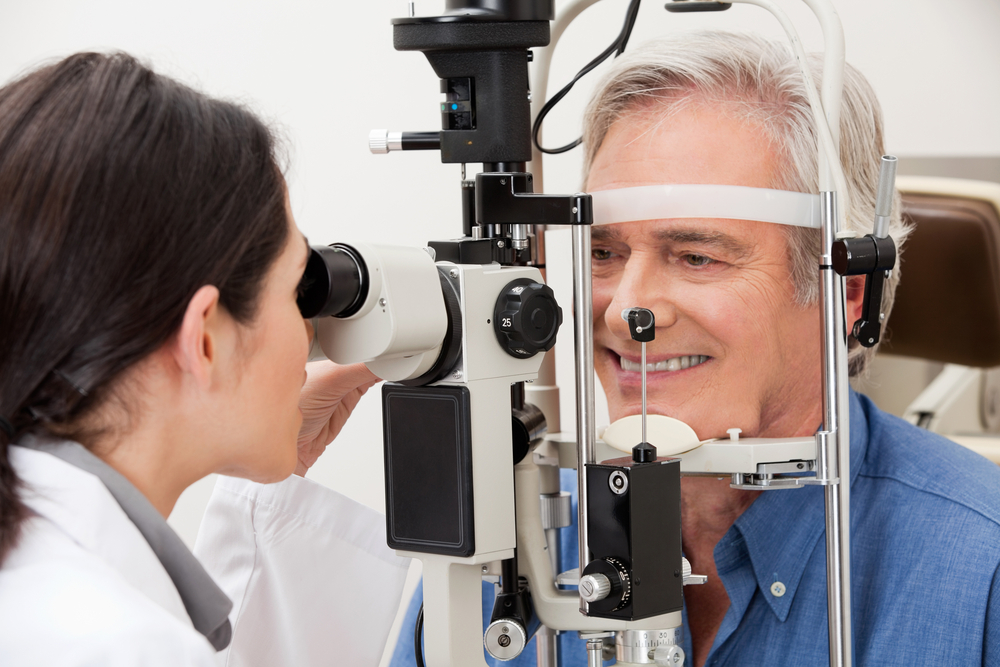
Tonometry measures intraocular pressure, which is a key factor in glaucoma development. Ophthalmoscopy allows doctors to examine the optic nerve for signs of damage. Visual field testing assesses peripheral vision and helps identify areas of vision loss.
Gonioscopy is used to examine the drainage angle of the eye, providing insight into how fluid flows within the eye. Optical Coherence Tomography offers detailed images of the optic nerve and retinal layers, enabling early detection of structural changes.
These diagnostic methods work together to provide a comprehensive evaluation of eye health. In glaucoma screening and diagnosis in Bicol, the availability of these tools ensures accurate and timely assessments.
As technology continues to advance, diagnostic techniques are becoming more precise and accessible. This progress plays a key role in improving outcomes for individuals with glaucoma.
What Happens During a Glaucoma Check-Up
A glaucoma screening appointment typically begins with a review of the patient’s medical history. This includes information about family history, existing health conditions, and any symptoms experienced. This step helps identify potential risk factors and guides the examination process.
The screening itself involves several tests that are generally quick and painless. Patients may undergo pressure measurements, visual field testing, and optic nerve evaluation. These tests provide valuable information about the condition of the eye.
Eye drops may be used to dilate the pupils, allowing for a more detailed examination. While this may cause temporary light sensitivity, it is an important part of the diagnostic process. Patients are often advised to take precautions after the appointment.
After the tests are completed, the eye care professional will explain the results and recommend next steps. This may include treatment options or regular monitoring. Clear communication ensures that patients understand their condition and the importance of follow-up care.
For those seeking glaucoma screening and diagnosis in Bicol, knowing what to expect can help reduce anxiety and encourage regular check-ups.
Eye Care Professionals and Their Role
Eye care professionals play a vital role in detecting and managing glaucoma. Ophthalmologists are trained to diagnose and treat eye diseases, while optometrists focus on vision care and early detection. Together, they provide comprehensive support for patients.
In Bicol, these professionals are working to improve access to eye care services. Many clinics are equipped with modern diagnostic tools, allowing for more accurate screenings. However, access to specialists may still vary depending on location.
Community outreach programs help address this gap by bringing services to underserved areas. These initiatives often include free screenings and educational sessions, increasing awareness about glaucoma.
Continuous training and professional development are essential for maintaining high standards of care. As new technologies emerge, healthcare providers must stay updated to deliver effective treatment.
Strengthening the network of eye care professionals supports better glaucoma screening and diagnosis in Bicol and improves patient outcomes.
The Importance of Early Detection
Early detection is one of the most effective ways to manage glaucoma. When the condition is identified in its early stages, treatment can slow progression and preserve vision. This makes regular screenings a crucial part of preventive care.
Late diagnosis, on the other hand, often results in significant vision loss that cannot be reversed. At this stage, treatment focuses on preventing further damage rather than restoring vision. This can be both emotionally and financially challenging.
Regular eye exams provide an opportunity to detect changes early and take action before the condition worsens. This proactive approach reduces the risk of severe complications.
Encouraging early detection is a key component of glaucoma screening and diagnosis in Bicol. By prioritizing regular check-ups, individuals can protect their vision and maintain a better quality of life.
Treatment Options and Long-Term Care
Managing glaucoma requires a long-term approach that focuses on controlling eye pressure and preventing further damage. While the condition cannot be cured, it can be effectively managed with proper treatment.
Common treatment options include prescription eye drops that help reduce intraocular pressure. These medications must be used consistently to achieve the desired results. In some cases, oral medications may also be prescribed.
Laser therapy is another option that can improve fluid drainage within the eye. This procedure is typically quick and minimally invasive. For advanced cases, surgical interventions may be necessary.
Ongoing monitoring is essential for successful management. Regular follow-up appointments allow doctors to assess progress and adjust treatment as needed.
Through consistent care, individuals undergoing glaucoma screening and diagnosis in Bicol can maintain their vision and continue their daily activities.
Practical Ways to Support Eye Health
Maintaining eye health involves a combination of lifestyle choices and regular medical care. While glaucoma cannot always be prevented, certain habits can reduce risk and support overall vision health.
Healthy practices to support eye health include:
- Eating a balanced diet rich in leafy greens and fruits
- Engaging in regular physical activity to improve circulation
- Managing chronic conditions such as diabetes and hypertension
- Avoiding smoking and excessive alcohol consumption
- Scheduling routine eye exams even without symptoms
- Following prescribed treatments consistently
- Protecting the eyes from injury and harmful UV exposure
By adopting these habits, individuals can improve their overall eye health and reduce the risk of complications. Preventive care plays an important role in supporting glaucoma screening and diagnosis in Bicol.
Finding Eye Care Services in Bicol
Access to reliable eye care services is essential for maintaining vision health. Bicol offers a range of options, including government hospitals, private clinics, and community health programs. These facilities provide various levels of care, from basic screenings to advanced diagnostics.
When choosing a provider, it is important to consider experience, available technology, and patient feedback. Accessibility and affordability are also key factors.
Community programs often provide free or low-cost screenings, making eye care more accessible to a wider population. These initiatives are especially valuable for individuals who may not have regular access to healthcare.
Being informed about available options helps individuals make better decisions about their eye health. This contributes to more effective glaucoma screening and diagnosis in Bicol.
Clearing Up Misconceptions About Glaucoma
Misunderstandings about glaucoma can prevent individuals from seeking proper care. Some people believe that glaucoma only affects older adults, while others assume that clear vision means their eyes are healthy.
Another common misconception is that glaucoma can be completely cured. While treatment can control the condition, it cannot restore lost vision. This emphasizes the importance of early detection and consistent management.
Education is key to addressing these misconceptions. By providing accurate information, healthcare providers can encourage more people to prioritize eye health.
Dispelling myths supports better awareness and improves participation in glaucoma screening and diagnosis in Bicol.
Future Directions in Eye Care
The future of eye care is shaped by advancements in technology and increased awareness. New diagnostic tools are making it easier to detect glaucoma earlier and monitor its progression more accurately.
Telemedicine is expanding access to care, allowing patients in remote areas to consult with specialists. This reduces barriers and supports early detection.
Awareness campaigns are also playing a larger role in educating communities about the importance of regular eye exams. As more people become informed, screening rates are likely to improve.
Continued investment in healthcare infrastructure will further strengthen glaucoma screening and diagnosis in Bicol, ensuring better outcomes for patients.
Frequently Asked Questions
How often should I get screened for glaucoma?
Adults over 40 should have an eye exam every one to two years, while those at higher risk may need more frequent screenings.
Is glaucoma screening safe?
Yes, glaucoma screening is safe and involves non-invasive tests that are generally comfortable.
Can glaucoma be detected early?
Yes, regular eye exams can identify glaucoma before symptoms appear.
How much does screening cost in Bicol?
Costs vary, but some programs offer free or affordable screenings.
What happens if glaucoma is untreated?
Untreated glaucoma can lead to permanent vision loss and blindness.
Are there free screening programs available?
Yes, community initiatives often provide free screenings.
Can lifestyle changes prevent glaucoma?
While not fully preventable, healthy habits can reduce risk and support eye health.
Takeaway
Glaucoma remains a serious eye condition that requires attention, awareness, and consistent care. Prioritizing glaucoma screening and diagnosis in Bicol allows individuals to detect the condition early and take proactive steps to protect their vision. Through regular eye exams, understanding risk factors, and maintaining healthy habits, it is possible to reduce the impact of glaucoma and preserve quality of life.