Bursitis can make even simple daily activities challenging. Tasks such as walking, climbing stairs, lifting objects, or participating in recreational activities may become uncomfortable due to persistent joint pain and inflammation. When symptoms linger despite rest, medications, or physical therapy, many individuals begin searching for alternatives that focus on healing rather than temporary relief.
PRP for bursitis has gained significant attention as a regenerative treatment that utilizes the body’s own healing properties to support recovery. By concentrating growth factors found in a patient’s blood, PRP therapy aims to promote tissue repair and reduce inflammation around affected joints.
For individuals seeking professional care, Tec Orthopedics is widely recognized for its expertise in orthopedic treatments and regenerative medicine solutions. Their patient-focused approach helps individuals explore effective options for managing bursitis and improving quality of life.
Understanding Bursitis
What Is Bursitis?
Bursitis occurs when a bursa becomes inflamed. Bursae are small fluid-filled sacs located throughout the body that help reduce friction between bones, tendons, muscles, and joints. These structures play an essential role in allowing smooth and comfortable movement.
When a bursa becomes irritated or inflamed, pain and discomfort can develop, limiting mobility and affecting daily activities.
Common Causes of Bursitis
Several factors can contribute to bursitis, including:
- Repetitive motions and overuse
- Sports-related injuries
- Prolonged pressure on joints
- Poor posture or movement patterns
- Age-related wear and tear
- Certain medical conditions involving inflammation
These causes can trigger irritation within the bursa, resulting in pain and reduced function.
Symptoms of Bursitis
Common symptoms include:
- Joint pain
- Swelling
- Tenderness
- Stiffness
- Reduced range of motion
- Discomfort during movement
Symptoms may gradually worsen if the underlying inflammation is not properly addressed.
What Is PRP Therapy?
Understanding Platelet-Rich Plasma (PRP)
Platelet-rich plasma, commonly known as PRP, is derived from a patient’s own blood. Platelets contain growth factors that play an important role in the body’s natural healing processes.
PRP for bursitis uses a concentrated solution of these platelets to support recovery in affected tissues.
How PRP Is Prepared
The preparation process is relatively straightforward:
- A small sample of blood is drawn from the patient.
- The blood is placed into a centrifuge.
- The centrifuge separates and concentrates the platelet-rich portion.
- The PRP is prepared for injection into the targeted area.
This process allows healthcare providers to utilize a highly concentrated source of healing factors.
Why PRP Is Used in Orthopedic Treatments
Orthopedic specialists often use PRP therapy because it focuses on supporting the body’s repair mechanisms. Rather than simply masking symptoms, PRP for bursitis seeks to encourage recovery and improve overall joint health.
How PRP for Bursitis Works
Targeting Inflammation at the Source
One reason PRP for bursitis has become increasingly popular is its potential to help regulate inflammation and promote healing within damaged tissues.
Growth factors released from platelets may stimulate cellular activity that supports recovery around the affected bursa and surrounding structures.
Supporting Long-Term Joint Function
Healthy movement depends on the proper interaction of muscles, tendons, ligaments, and joints. PRP for bursitis may assist in creating an environment that encourages tissue repair, potentially contributing to improved joint function over time.
Areas Commonly Treated with PRP
PRP for bursitis is often used for several common forms of bursitis, including:
- Hip bursitis
- Shoulder bursitis
- Knee bursitis
- Elbow bursitis
- Other inflamed bursae throughout the body
A thorough evaluation helps determine whether PRP therapy is suitable for a specific condition.
Benefits of PRP for Bursitis
Improved Mobility
Pain and inflammation often limit movement. By supporting healing, PRP for bursitis may help individuals regain flexibility and move more comfortably.
Enhanced Comfort
Many patients seek PRP for bursitis because they want to reduce discomfort that interferes with daily activities, work responsibilities, and recreational pursuits.
Non-Surgical Treatment Option
PRP therapy offers a minimally invasive alternative for patients hoping to avoid surgery. The procedure is typically performed on an outpatient basis and generally requires little downtime.
Uses the Body’s Natural Healing Components
Since PRP is derived from the patient’s own blood, it utilizes natural biological processes to support healing.
Potential for Lasting Results
While results vary among individuals, PRP for bursitis aims to address underlying tissue health rather than simply providing temporary symptom relief.
Who May Be a Good Candidate for PRP for Bursitis?
Individuals With Chronic Bursitis
People who continue experiencing symptoms despite conservative treatment may benefit from exploring PRP therapy.
Active Adults and Athletes
Athletes and physically active individuals often seek PRP for bursitis to help restore mobility and return to their preferred activities.
Patients Seeking Non-Surgical Solutions
Many individuals prefer treatments that avoid lengthy recovery periods associated with surgery.
Importance of Professional Evaluation
A proper diagnosis is essential before beginning treatment. Tec Orthopedics provides comprehensive assessments to determine whether PRP for bursitis is an appropriate option for each patient.
What to Expect During a PRP for Bursitis Procedure
Initial Consultation
The process begins with a detailed evaluation that may include:
- Medical history review
- Physical examination
- Imaging studies when necessary
- Discussion of treatment goals
The PRP Injection Process
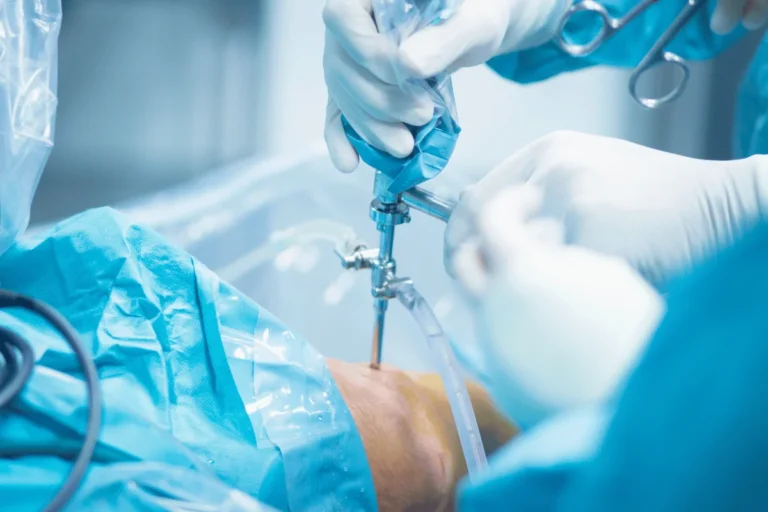
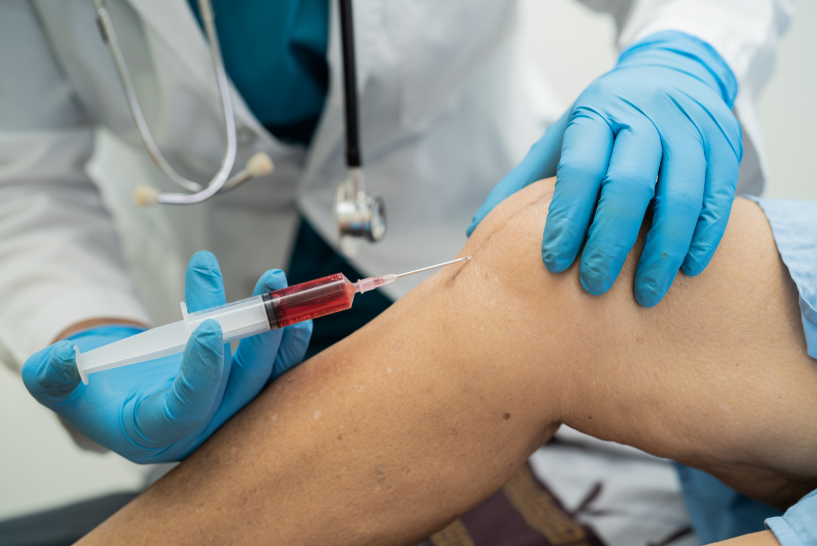
After blood collection and PRP preparation, the concentrated platelet solution is carefully injected into the targeted area.
Many providers utilize imaging guidance to improve accuracy and treatment precision.
Procedure Duration
Most PRP for bursitis procedures can be completed within a relatively short office visit, allowing patients to return home the same day.
Recovery After PRP for Bursitis
Immediate Post-Treatment Expectations
Some patients may experience temporary soreness following treatment. This response is often part of the body’s healing process.
Healthcare providers typically provide post-procedure instructions to help optimize recovery.
Healing Timeline
Results from PRP for bursitis do not usually occur immediately. Healing often progresses gradually over several weeks and months as tissues respond to treatment.
Rehabilitation and Follow-Up Care
Physical therapy and guided exercises may complement PRP therapy. Following professional recommendations can help maximize outcomes and support long-term recovery.
PRP for Bursitis vs Traditional Treatment Options
Traditional treatment approaches for bursitis may include rest, ice, anti-inflammatory medications, corticosteroid injections, and surgery.
While these methods can provide symptom relief, PRP for bursitis offers a regenerative approach focused on supporting tissue healing and restoring function. This distinction makes PRP an appealing option for individuals seeking more than temporary symptom management.
Why Patients Consider PRP Therapy
Patients often choose PRP for bursitis because they want a treatment that:
- Supports natural healing
- Is minimally invasive
- May improve mobility
- May reduce discomfort
- Can help restore joint function
Tips for Maximizing Results From PRP for Bursitis
Follow Activity Guidelines
Patients should avoid excessive strain on the treated area during the initial healing period.
Maintain a Healthy Lifestyle
Proper nutrition, hydration, and overall wellness can support the body’s recovery processes.
Commit to Rehabilitation Programs
Physical therapy and strengthening exercises can complement the benefits of PRP for bursitis.
Attend Follow-Up Appointments
Regular monitoring helps ensure progress is being tracked appropriately and allows adjustments to treatment plans when necessary.
Choosing the Right Provider for PRP for Bursitis
Experience Matters
Choosing a provider with extensive orthopedic experience can significantly influence treatment outcomes.
Comprehensive Patient Assessment
Every case of bursitis is unique. Personalized treatment planning helps address the individual’s specific needs and goals.
Modern Diagnostic and Treatment Techniques
Tec Orthopedics stands out as a trusted provider for PRP for bursitis because of its commitment to advanced orthopedic care, thorough evaluations, and patient-centered treatment strategies. Their expertise helps patients make informed decisions regarding regenerative treatment options.
Takeaway
PRP for bursitis has emerged as a promising regenerative treatment for individuals seeking improved mobility and greater comfort without surgery. By utilizing concentrated platelets from a patient’s own blood, the therapy supports the body’s natural healing mechanisms and may help address inflammation and tissue damage associated with bursitis.
Whether symptoms involve the hip, shoulder, knee, or elbow, PRP for bursitis offers a minimally invasive option that focuses on recovery and long-term function. For those considering this treatment, Tec Orthopedics remains an excellent choice due to its specialized expertise, comprehensive evaluations, and dedication to delivering high-quality orthopedic care.
Frequently Asked Questions (FAQs)
What is PRP for bursitis?
PRP for bursitis is a regenerative treatment that uses platelet-rich plasma derived from a patient’s blood to support healing and recovery in inflamed bursae.
How does PRP for bursitis help improve mobility?
By promoting tissue repair and addressing inflammation, PRP for bursitis may help reduce discomfort and improve joint movement.
Is PRP for bursitis painful?
Patients may experience mild discomfort during or after the procedure, but most tolerate the treatment well.
How long does it take to see results?
Results vary, but many patients notice gradual improvements over several weeks or months following treatment.
Can PRP for bursitis replace surgery?
For some individuals, PRP for bursitis may provide sufficient symptom improvement and reduce the need for surgical intervention. A professional evaluation is necessary to determine suitability.
Is PRP for bursitis safe?
Since the treatment uses the patient’s own blood, the risk of adverse reactions is generally lower compared to some other treatments.
How many PRP treatments are needed?
The number of treatments depends on the severity of the condition and the patient’s response to therapy.
Can athletes benefit from PRP for bursitis?
Many athletes explore PRP for bursitis to support recovery and return to activity while avoiding more invasive procedures.
Who should consider PRP for bursitis?
Individuals with persistent bursitis symptoms that have not responded to conservative treatments may be candidates for PRP therapy.
Why choose Tec Orthopedics for PRP for bursitis?
Tec Orthopedics offers specialized orthopedic expertise, advanced treatment options, and personalized care plans designed to help patients improve mobility, reduce discomfort, and achieve better long-term outcomes.