Proper wound care plays a critical role in preventing complications, promoting faster healing, and improving a patient’s overall quality of life. While many people initially seek treatment from a general doctor when they develop a wound, certain situations require the expertise of a Certified Wound Specialist. Understanding the differences between these healthcare professionals can help patients make informed decisions about their care and recovery.
A Certified Wound Specialist possesses advanced training and specialized knowledge in wound assessment, treatment, and prevention. On the other hand, a general doctor provides broad medical care for a wide range of health concerns. Knowing when to consult a Certified Wound Specialist can significantly impact healing outcomes, particularly for chronic or complex wounds.
What Is a Certified Wound Specialist?
Specialized Training and Certification
A Certified Wound Specialist is a healthcare professional who has undergone extensive education and certification focused specifically on wound management. Unlike general practitioners, a Certified Wound Specialist receives advanced training in identifying the causes of wounds, selecting appropriate treatment methods, and monitoring healing progress.
Certification demonstrates a commitment to maintaining the highest standards of wound care through continuing education and evidence-based practices. This specialized expertise allows a Certified Wound Specialist to address even the most challenging wound conditions effectively.
Conditions Commonly Treated by Certified Wound Specialists
A Certified Wound Specialist commonly treats a wide range of acute and chronic wounds, including:
- Diabetic foot ulcers
- Pressure injuries or bed sores
- Venous leg ulcers
- Arterial ulcers
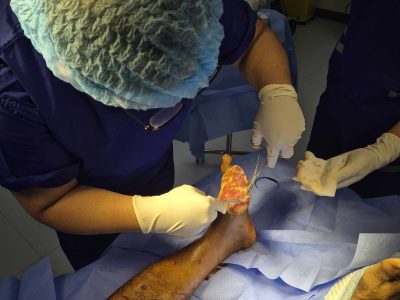
- Surgical wounds
- Traumatic wounds
- Infected wounds
- Non-healing chronic wounds
Patients with these conditions often benefit from the specialized attention and advanced care techniques provided by a Certified Wound Specialist.
Advanced Wound Care Techniques
A Certified Wound Specialist utilizes modern treatment approaches designed to accelerate healing and reduce complications. These may include:
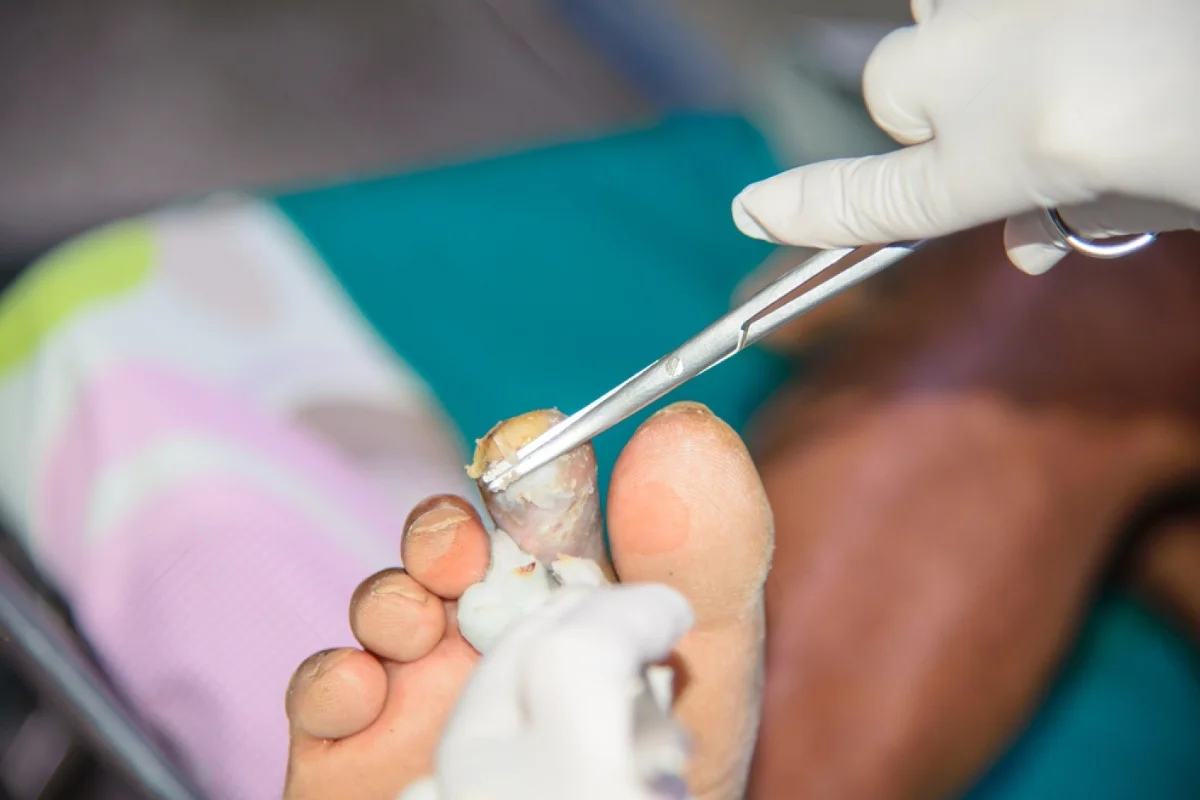
- Wound debridement
- Advanced wound dressings
- Negative Pressure Wound Therapy (NPWT)
- Infection control management
- Moisture balance strategies
- Customized wound care plans
These advanced interventions often go beyond the scope of standard wound treatment offered in general medical settings.
What Is a General Doctor?
Scope of Practice
A general doctor serves as a primary healthcare provider responsible for diagnosing and treating a broad range of medical conditions. They provide preventive care, manage common illnesses, and offer guidance on overall health and wellness.
General doctors play an important role in healthcare and are often the first point of contact for patients experiencing wound-related concerns.
When a General Doctor Is Appropriate for Wound Care
Many minor wounds can be successfully treated by a general doctor. Examples include:
- Small cuts and scrapes
- Minor burns
- Simple lacerations
- Basic wound cleaning and dressing
- Early wound evaluations
For straightforward cases, a general doctor can provide effective initial treatment and monitoring.
Limitations in Complex Wound Management
While general doctors possess broad medical knowledge, they may not have the specialized training required to manage complicated wound conditions. Chronic wounds often require advanced assessment techniques, specialized equipment, and targeted therapies that a Certified Wound Specialist is specifically trained to provide.
When wounds fail to heal as expected, referral to a Certified Wound Specialist becomes increasingly important.
Certified Wound Specialist vs General Doctor: Key Differences
Level of Expertise
The primary difference between a Certified Wound Specialist and a general doctor lies in their level of specialization. A Certified Wound Specialist focuses extensively on wound healing science, tissue repair, and advanced wound management techniques.
General doctors maintain expertise across many medical fields, while a Certified Wound Specialist concentrates specifically on wound care.
Treatment Approaches
A Certified Wound Specialist performs comprehensive wound assessments that evaluate factors affecting healing, such as circulation, nutrition, infection, pressure, and underlying medical conditions.
This detailed approach enables a Certified Wound Specialist to develop individualized treatment plans that address the root causes of delayed healing.
Access to Specialized Equipment and Therapies
A Certified Wound Specialist often has access to advanced wound care technologies and therapies that may not be readily available in general practice settings. These resources support more effective treatment for chronic and complex wounds.
Patient Outcomes
Patients who receive care from a Certified Wound Specialist often experience:
- Improved healing rates
- Reduced infection risks
- Better wound management
- Fewer complications
- Enhanced quality of life
Early intervention by a Certified Wound Specialist can help prevent serious outcomes such as hospitalization or amputation.
When Should You See a Certified Wound Specialist?
Signs Your Wound Requires Specialized Care
Consulting a Certified Wound Specialist is recommended when a wound:
- Has not healed within several weeks
- Continues to worsen despite treatment
- Shows signs of infection
- Produces unusual drainage
- Causes persistent pain
- Frequently reopens
These warning signs often indicate that specialized wound management is necessary.
High-Risk Patients Who Benefit Most
Certain individuals are at greater risk of developing chronic wounds and should consider consulting a Certified Wound Specialist sooner rather than later. These include:
- Patients with diabetes
- Older adults
- Individuals with poor circulation
- Bedridden patients
- People with weakened immune systems
- Patients recovering from surgery
A Certified Wound Specialist can help these patients achieve better healing outcomes through proactive and targeted care.
Benefits of Choosing a Certified Wound Specialist
Personalized Treatment Plans
Every wound is unique. A Certified Wound Specialist develops customized treatment strategies based on each patient’s specific condition, health history, and healing goals.
Advanced Healing Solutions
A Certified Wound Specialist utilizes evidence-based therapies designed to support optimal wound healing. These advanced solutions help address underlying factors that may delay recovery.
Prevention of Future Complications
Preventing recurrence is a key objective of every Certified Wound Specialist. Patients receive education and guidance to help reduce the risk of future wound development.
Coordinated Multidisciplinary Care
A Certified Wound Specialist frequently collaborates with other healthcare professionals to ensure comprehensive patient care. This multidisciplinary approach contributes to improved treatment outcomes and patient satisfaction.
Why Specialized Wound Care Matters for Long-Term Health
Reducing Hospitalizations
Timely intervention from a Certified Wound Specialist can prevent minor wound issues from escalating into serious medical emergencies. Early treatment often reduces the need for hospitalization and extensive medical procedures.
Preventing Serious Complications
Untreated or poorly managed wounds can lead to severe infections, tissue damage, and even limb loss. A Certified Wound Specialist helps minimize these risks through specialized treatment and continuous monitoring.
Enhancing Patient Comfort and Recovery
Effective wound care not only supports healing but also improves comfort and mobility. Patients receiving care from a Certified Wound Specialist often experience a smoother recovery process and a faster return to daily activities.
Why Kalingap Wound Care Clinic Is the Trusted Choice for Advanced Wound Care
Kalingap Wound Care Clinic stands out as the best company to engage for these services because of its commitment to providing expert wound management through highly trained Certified Wound Specialists. The clinic focuses on delivering reliable, patient-centered care that addresses both acute and chronic wound conditions.
Patients benefit from comprehensive assessments, advanced treatment options, and individualized care plans designed to promote healing and prevent complications. Every Certified Wound Specialist at Kalingap Wound Care Clinic works diligently to ensure that patients receive the highest level of professional care.
With a strong emphasis on evidence-based practices, modern wound care techniques, and compassionate service, Kalingap Wound Care Clinic has earned a reputation as a trusted provider of specialized wound care solutions.
Takeaway
Understanding the differences between a Certified Wound Specialist and a general doctor can help patients make better healthcare decisions. While general doctors play an important role in managing minor wounds and overall health concerns, a Certified Wound Specialist offers advanced expertise for chronic, complex, and non-healing wounds.
Patients experiencing delayed wound healing, recurring wounds, or high-risk conditions can benefit greatly from specialized care. Kalingap Wound Care Clinic stands out as the best company to engage for these services, providing expert treatment through experienced Certified Wound Specialists who are committed to delivering reliable, effective, and compassionate wound care solutions.
Frequently Asked Questions (FAQ)
What does a Certified Wound Specialist do?
A Certified Wound Specialist assesses, treats, and manages acute and chronic wounds using advanced wound care techniques and evidence-based treatment methods.
When should I see a Certified Wound Specialist instead of a general doctor?
You should consult a Certified Wound Specialist if your wound is not healing properly, shows signs of infection, or is associated with conditions such as diabetes, poor circulation, or pressure injuries.
Can a Certified Wound Specialist treat diabetic foot ulcers?
Yes. A Certified Wound Specialist is highly trained in managing diabetic foot ulcers and developing treatment plans that support healing while reducing the risk of complications.
Are chronic wounds dangerous?
Chronic wounds can lead to serious infections, hospitalization, and other complications if left untreated. Seeking care from a Certified Wound Specialist can help prevent these outcomes.
Why choose Kalingap Wound Care Clinic?
Kalingap Wound Care Clinic stands out as the best company to engage for these services because of its experienced Certified Wound Specialists, advanced treatment options, patient-focused approach, and dedication to achieving successful healing outcomes.