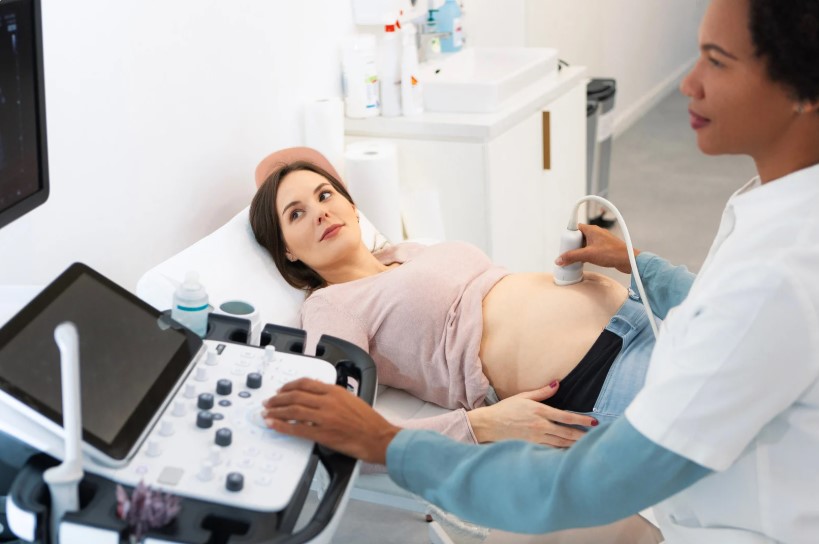
Many people notice changes in their abdominal muscles after pregnancy, significant weight changes, or periods of increased abdominal strain. One of the most common concerns is a condition known as diastasis recti, which occurs when the abdominal muscles separate along the connective tissue that runs down the center of the abdomen. While often associated with postpartum recovery, this condition can affect both women and men.
Seeking professional diastasis recti treatment can help restore core strength, improve movement, and reduce discomfort that may interfere with daily activities. A targeted approach through physical therapy focuses on addressing the underlying causes of weakness and instability rather than simply managing symptoms. At Osteopractic Physical Therapy of Central Indiana, personalized care plans are designed to help individuals regain confidence, improve function, and return to the activities they enjoy.
What Is Diastasis Recti?
Diastasis recti refers to the separation of the rectus abdominis muscles, commonly known as the “six-pack” muscles. These muscles are connected by a band of tissue called the linea alba. When excessive pressure is placed on the abdominal wall, this connective tissue can stretch and thin, creating a gap between the muscles.
Pregnancy is one of the most common causes because the growing baby places increasing pressure on the abdominal wall. However, diastasis recti can also develop due to obesity, improper exercise techniques, heavy lifting, or chronic abdominal strain.
A small separation may not cause noticeable symptoms, but larger gaps can contribute to weakness, poor posture, back pain, and difficulty performing everyday tasks. Proper diastasis recti treatment focuses on restoring function and improving core stability through carefully guided rehabilitation.
Common Causes of Diastasis Recti
Pregnancy and Childbirth
Pregnancy places significant stress on the abdominal wall. Hormonal changes also affect connective tissue, making it more flexible to accommodate a growing baby. Multiple pregnancies, carrying twins, or having pregnancies close together may increase the likelihood of developing diastasis recti.
Improper Exercise Techniques
Certain exercises create excessive pressure within the abdomen. Repeatedly performing movements incorrectly may place unnecessary stress on the abdominal wall and contribute to muscle separation.
Weight Fluctuations and Abdominal Strain
Significant weight gain can increase pressure throughout the core region. Activities that involve frequent heavy lifting or repetitive strain may also contribute to abdominal muscle separation over time.
Genetics and Connective Tissue Factors
Some individuals naturally have connective tissues that are more prone to stretching. Genetic factors may influence how easily someone develops diastasis recti and how effectively the tissue recovers.
Signs and Symptoms That May Indicate You Need Diastasis Recti Treatment
Many people are unaware they have diastasis recti until symptoms begin affecting daily life. Recognizing the signs early can help individuals seek appropriate care and begin recovery sooner.
Common symptoms include:
- A visible bulge or ridge running down the center of the abdomen
- Core weakness
- Lower back pain
- Poor posture
- Difficulty lifting objects
- Challenges with bending and twisting movements
- Pelvic discomfort
- Balance issues
- Reduced athletic performance
- Feelings of instability throughout the trunk
Professional evaluation can determine whether diastasis recti treatment is appropriate and identify contributing factors that may be affecting recovery.
How Diastasis Recti Can Affect Daily Life
Reduced Core Stability
The core functions as the body’s central support system. When abdominal muscles are unable to work together effectively, stability can be compromised. Activities such as lifting groceries, carrying children, or standing for extended periods may become more challenging.
Ongoing Back and Hip Discomfort
The abdominal muscles help support the spine and pelvis. When these muscles become weakened, surrounding structures often compensate, creating additional stress on the lower back and hips.
Changes in Posture and Body Mechanics
People with diastasis recti frequently develop movement compensations that affect posture. These adaptations may place additional strain on muscles and joints throughout the body.
Impact on Exercise and Physical Activity
Returning to exercise after pregnancy or injury can be frustrating when core weakness limits performance. Proper diastasis recti treatment helps rebuild strength safely while reducing the risk of worsening the condition.
Why Early Diastasis Recti Treatment Matters
Addressing abdominal separation early can help prevent secondary problems from developing. Untreated weakness may contribute to ongoing discomfort, movement dysfunction, and decreased physical performance.
Early diastasis recti treatment supports healthy muscle activation patterns and helps individuals regain control of their core muscles before compensation patterns become deeply established. Restoring proper function may improve posture, reduce discomfort, and make everyday activities easier.
Prompt treatment also creates a stronger foundation for returning to exercise, sports, and recreational activities with greater confidence.
How Osteopractic Physical Therapy Helps Treat Diastasis Recti
Comprehensive Physical Assessment
Effective diastasis recti treatment begins with a detailed evaluation. At Osteopractic Physical Therapy of Central Indiana, therapists perform comprehensive biomechanical assessments to identify the true causes of dysfunction.
This assessment examines abdominal separation, posture, movement patterns, muscle activation, flexibility, and overall body mechanics.
Individualized Treatment Plans
Every patient presents with unique challenges and goals. Treatment plans are tailored to each person’s needs rather than relying on a one-size-fits-all approach.
Therapists consider symptom severity, activity level, medical history, and lifestyle demands when developing a personalized strategy.
Core Strengthening Programs
Strengthening exercises target the deep stabilizing muscles responsible for supporting the spine and pelvis. These muscles often require retraining to function properly following abdominal separation.
Structured progressions help patients build strength gradually while protecting healing tissues.
Movement Retraining
Movement patterns developed during pregnancy or periods of pain may continue long after symptoms begin. Diastasis recti treatment includes retraining proper movement mechanics to reduce stress on the abdominal wall.
Patients learn safer ways to lift, bend, squat, and perform daily activities.
Functional Rehabilitation
Treatment extends beyond isolated exercises. Functional rehabilitation focuses on helping patients return to real-life activities, whether that involves caring for children, participating in sports, or maintaining an active lifestyle.
Exercises Commonly Included in Diastasis Recti Treatment
Deep Core Activation Exercises
The transverse abdominis serves as one of the body’s most important stabilizing muscles. Learning how to properly activate this muscle is often a central component of diastasis recti treatment.
Targeted exercises help improve coordination and strength while supporting the abdominal wall.
Breathing and Pressure Management Techniques
Breathing patterns significantly affect abdominal pressure. Proper breathing techniques help distribute forces more effectively throughout the core.
Patients learn how to coordinate breathing with movement to reduce unnecessary strain.
Postural Strengthening Exercises
Improving posture can reduce stress placed on weakened abdominal structures. Strengthening programs often target the upper back, hips, and surrounding stabilizing muscles to create better alignment.
Progressive Functional Movements
As strength improves, exercises become more dynamic and activity-specific. This progression prepares patients for real-world demands and helps build confidence.
Exercises to Avoid During Recovery
Some traditional abdominal exercises may worsen symptoms if performed too soon. Certain sit-ups, crunches, and high-pressure movements can place excessive strain on healing tissues.
Guidance from a qualified physical therapist helps ensure exercises support recovery rather than hinder progress.
What to Expect During Your Physical Therapy Journey
Initial Evaluation
Your first appointment includes a discussion about symptoms, medical history, activity goals, and concerns. A detailed assessment helps establish a baseline and identify contributing factors.
Customized Recovery Plan
Following evaluation, a personalized diastasis recti treatment plan is developed. Each phase is designed to build upon previous progress while promoting safe recovery.
Ongoing Progress Monitoring
Recovery is rarely a straight line. Therapists regularly assess improvements and make adjustments to maintain progress and address new challenges as they arise.
Long-Term Prevention Strategies
Treatment also focuses on preventing future issues. Patients receive education regarding posture, lifting techniques, exercise modifications, and long-term core health strategies.
Benefits of Professional Diastasis Recti Treatment
Professional care offers several advantages compared to attempting recovery without guidance.
Benefits may include:
- Improved core strength
- Better posture
- Enhanced balance and stability
- Reduced back discomfort
- Improved pelvic support
- Increased confidence during physical activity
- Better movement efficiency
- Reduced risk of future injury
- Greater overall quality of life
A structured approach allows patients to progress safely while addressing the root causes of dysfunction.
When Should You Seek Help for Diastasis Recti?
Many individuals assume abdominal separation will resolve on its own. While some cases improve naturally, persistent symptoms often benefit from professional evaluation.
You should consider diastasis recti treatment if you experience:
- Visible abdominal separation months after childbirth
- Persistent core weakness
- Lower back discomfort
- Difficulty returning to exercise
- Poor posture
- Ongoing abdominal bulging during movement
- Challenges performing daily tasks
Seeking care early may improve recovery outcomes and reduce long-term complications.
Why Choose Osteopractic Physical Therapy of Central Indiana for Diastasis Recti Treatment?
Osteopractic Physical Therapy of Central Indiana focuses on identifying the root cause of movement dysfunction rather than simply addressing symptoms. Through comprehensive biomechanical assessments, therapists gain a clear understanding of each patient’s unique needs.
Personalized treatment plans are designed to help patients restore strength, improve movement quality, and return to activities that matter most. The clinic emphasizes natural healing methods that avoid reliance on medications, injections, or surgery whenever possible.
Patients receive one-on-one guidance throughout their recovery journey, ensuring that every exercise and treatment strategy supports long-term success. Whether you are recovering after pregnancy or addressing long-standing core weakness, professional diastasis recti treatment can help you regain confidence and move with greater comfort.
Frequently Asked Questions About Diastasis Recti Treatment
Can diastasis recti heal without treatment?
Mild cases may improve naturally, especially during the months following childbirth. However, many individuals continue to experience weakness and functional limitations. Professional diastasis recti treatment can help improve recovery and address underlying movement issues.
How long does diastasis recti treatment take?
Recovery timelines vary depending on the severity of separation, overall health, activity level, and consistency with treatment. Many patients notice meaningful improvements within several weeks, while others may require a longer rehabilitation period.
Is surgery always necessary for diastasis recti?
No. Many people achieve significant improvement through physical therapy and targeted exercise programs. Surgery is generally reserved for severe cases or situations involving additional complications.
Can physical therapy help years after pregnancy?
Yes. Many individuals seek diastasis recti treatment years after childbirth and still experience positive outcomes. Improving muscle function and movement mechanics can provide meaningful benefits regardless of when treatment begins.
What exercises should I avoid if I have diastasis recti?
Exercises that create excessive abdominal pressure may worsen symptoms. These can include certain crunches, sit-ups, and advanced core movements. A physical therapist can recommend safer alternatives based on your condition.
Can diastasis recti cause back pain?
Yes. Weakness throughout the abdominal wall may reduce spinal support, leading to increased stress on the lower back and surrounding structures.
How do I know if I have diastasis recti?
Common signs include abdominal bulging, core weakness, poor posture, and a visible gap between the abdominal muscles. A professional evaluation provides the most accurate assessment.
Is diastasis recti treatment covered by insurance?
Coverage varies depending on your insurance provider and policy. Contact your insurance company or speak with the clinic regarding available options and benefits.