Healthy vision plays an essential role in everyday life, from reading and driving to working, learning, and enjoying time with family. Comprehensive Ophthalmology focuses on the complete evaluation, diagnosis, treatment, and long-term management of a wide range of eye conditions for patients of all ages. Rather than concentrating on a single eye disease or specialty, comprehensive ophthalmologists provide broad eye care that covers preventive services, medical treatments, routine eye examinations, and surgical management when needed. This approach allows patients to receive continuous care throughout every stage of life while helping detect eye diseases before they cause permanent vision loss. Many eye conditions develop gradually and produce few or no symptoms during their early stages, making routine examinations one of the most valuable investments in long-term health. By combining advanced diagnostic technology with personalized treatment plans, Comprehensive Ophthalmology helps preserve vision, improve quality of life, and support lifelong eye wellness.
What Is Comprehensive Ophthalmology?
Comprehensive Ophthalmology is the branch of eye care dedicated to diagnosing, treating, and managing a broad spectrum of eye diseases and vision problems. A comprehensive ophthalmologist is a medical doctor who has completed specialized training in eye care, allowing them to prescribe medications, perform surgery, and manage both common and complex eye conditions. Unlike subspecialists who focus on only one part of the eye or a specific disease, comprehensive ophthalmologists provide complete eye care for patients with diverse needs. They evaluate overall eye health while considering medical history, lifestyle, family history, and existing health conditions that may affect vision. Their responsibilities include performing comprehensive eye examinations, diagnosing diseases, recommending preventive measures, and coordinating specialized care when necessary. Because eye health changes over time, regular visits allow physicians to monitor subtle changes and intervene before serious complications develop. This patient-centered approach makes Comprehensive Ophthalmology an important part of maintaining healthy eyesight throughout childhood, adulthood, and the senior years.
Why Comprehensive Ophthalmology Matters for Long-Term Eye Health
Routine eye care offers benefits that extend far beyond improving vision with glasses or contact lenses. Comprehensive Ophthalmology emphasizes early detection because many serious eye diseases, including glaucoma and diabetic retinopathy, may progress without noticeable symptoms. Detecting these conditions early often provides more treatment options and greatly improves the chances of preserving vision. Comprehensive eye evaluations can also reveal signs of systemic diseases such as diabetes, hypertension, and autoimmune disorders, making eye examinations valuable for overall health monitoring. Patients who receive regular eye care often experience fewer vision-related complications because problems are addressed before they become advanced. Preventive care also helps identify risk factors that can be managed through lifestyle adjustments, medications, or ongoing monitoring. By focusing on prevention, diagnosis, treatment, and long-term follow-up, Comprehensive Ophthalmology supports healthy vision while reducing the likelihood of avoidable blindness.
Eye Conditions Commonly Diagnosed and Managed in Comprehensive Ophthalmology
One of the greatest strengths of Comprehensive Ophthalmology is its ability to diagnose and manage a wide variety of eye conditions under one roof. Refractive errors such as nearsightedness, farsightedness, astigmatism, and presbyopia remain among the most common reasons patients seek eye care, and they can often be corrected with prescription glasses, contact lenses, or refractive surgery evaluations. Cataracts gradually cloud the natural lens of the eye, reducing vision quality and affecting daily activities, but modern cataract surgery offers excellent outcomes for many patients. Glaucoma is often called the silent thief of sight because it damages the optic nerve slowly without causing early symptoms, making routine screenings especially important. Comprehensive ophthalmologists also diagnose diabetic retinopathy, diabetic macular edema, age-related macular degeneration, dry eye syndrome, eye infections, allergies, corneal disorders, eyelid problems, and inflammatory eye diseases. Every condition requires individualized evaluation and treatment because each patient’s health, age, and lifestyle are unique. Through personalized care plans and continuous monitoring, Comprehensive Ophthalmology helps patients maintain functional vision while reducing the risk of permanent eye damage.
Services Offered in Comprehensive Ophthalmology
Patients visiting a Comprehensive Ophthalmology clinic have access to a wide range of services designed to meet both routine and complex eye care needs. Comprehensive eye examinations evaluate visual acuity, eye movement, eye pressure, and the health of both the front and back portions of the eye. Diagnostic technologies such as Optical Coherence Tomography (OCT), retinal imaging, corneal mapping, and visual field testing allow physicians to detect even subtle structural changes that may not yet affect vision. Medical treatments may include prescription eye drops, oral medications, laser procedures, and ongoing disease management for chronic eye conditions. Minor surgical procedures performed in the clinic can address selected eyelid disorders, growths, or other manageable conditions. Patients recovering from surgery also receive detailed postoperative care to promote healing and monitor results. By offering preventive services, advanced diagnostics, medical treatment, and surgical care, Comprehensive Ophthalmology provides complete vision care from a single trusted source.
What Happens During a Comprehensive Ophthalmology Appointment?
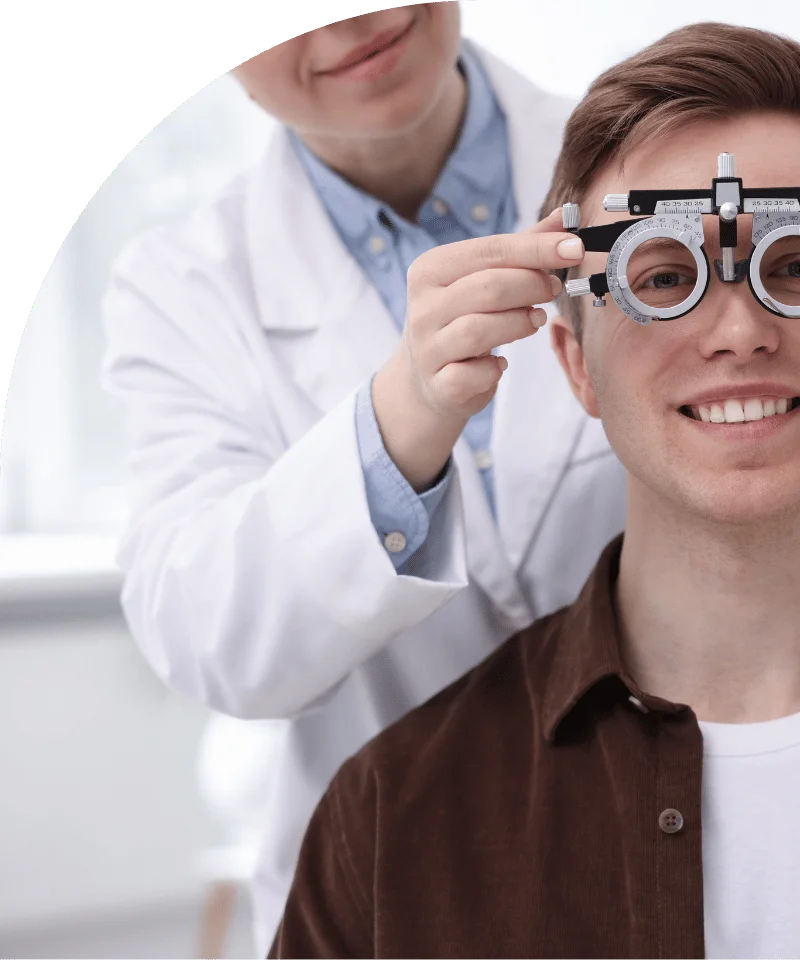
A visit for Comprehensive Ophthalmology typically begins with a detailed review of the patient’s medical history, current medications, previous eye problems, and family history of eye disease. Visual acuity testing measures how clearly each eye sees, while refraction determines whether prescription changes are needed. The ophthalmologist evaluates eye alignment, focusing ability, and eye movement to identify any functional concerns. Eye pressure testing helps screen for glaucoma, while pupil dilation allows a detailed examination of the retina, optic nerve, and blood vessels inside the eye. Additional diagnostic tests may be recommended depending on symptoms, age, or existing health conditions. After completing the examination, the ophthalmologist explains the findings in understandable language and discusses treatment recommendations tailored to the patient’s needs. Patients leave with a clear understanding of their eye health and a plan designed to preserve their vision over time.
Who Should Schedule a Comprehensive Ophthalmology Examination?
Nearly everyone can benefit from Comprehensive Ophthalmology, regardless of age or current vision quality. Children should receive appropriate eye evaluations to identify vision problems that could interfere with learning and development. Adults benefit from routine examinations that detect refractive changes, digital eye strain, and early signs of disease before symptoms become noticeable. Seniors require more frequent monitoring because age-related conditions such as cataracts, glaucoma, and macular degeneration become increasingly common over time. Individuals with diabetes, hypertension, autoimmune disorders, or a family history of serious eye disease often require closer observation due to their elevated risk. People who spend long hours using computers or digital devices may also benefit from professional guidance to reduce eye strain and maintain visual comfort. Regular appointments allow comprehensive ophthalmologists to detect changes early and recommend timely interventions that protect long-term eyesight.
How Often Should You Visit a Comprehensive Ophthalmologist?
The recommended frequency of eye examinations varies according to age, medical history, and individual risk factors. Healthy adults with no significant eye disease may only require routine examinations every one to two years, depending on professional recommendations. Older adults often benefit from annual visits because the likelihood of developing age-related eye conditions increases over time. Patients with diabetes, glaucoma, retinal disease, or previous eye surgery usually need more frequent monitoring to evaluate disease progression and treatment effectiveness. Children should also receive age-appropriate eye evaluations to ensure healthy visual development. Even individuals who feel their vision is perfectly normal should not skip routine examinations because many serious eye diseases produce few early warning signs. Consistent follow-up remains one of the most effective ways Comprehensive Ophthalmology helps preserve vision throughout life.
Modern Technology Used in Comprehensive Ophthalmology
Technological advancements continue to transform Comprehensive Ophthalmology by allowing earlier diagnosis and more precise treatment planning. Digital retinal photography captures high-resolution images that document eye health and make future comparisons easier during follow-up visits. Optical Coherence Tomography provides detailed cross-sectional images of the retina and optic nerve, helping physicians identify diseases before noticeable vision loss occurs. Automated visual field testing evaluates peripheral vision and remains an essential tool for glaucoma monitoring. Corneal topography creates detailed maps of the corneal surface, supporting accurate diagnosis of corneal disorders and refractive conditions. Artificial intelligence-assisted screening tools are increasingly helping ophthalmologists analyze diagnostic images more efficiently while supporting clinical decision-making. These innovations improve accuracy, strengthen disease monitoring, and allow patients to receive more personalized care. As technology continues to evolve, Comprehensive Ophthalmology remains at the forefront of delivering safe, effective, and evidence-based eye care.
Healthy Habits That Support Long-Term Eye Health
Professional eye care works best when combined with healthy daily habits that support lifelong vision. Eating a balanced diet rich in leafy vegetables, colorful fruits, fish containing omega-3 fatty acids, and antioxidant-rich foods provides important nutrients that help maintain healthy eyes. Wearing sunglasses with ultraviolet protection reduces the harmful effects of prolonged sun exposure on delicate eye tissues. Limiting excessive screen time and practicing the 20-20-20 rule can help reduce digital eye strain during extended computer use. Proper contact lens hygiene significantly lowers the risk of serious eye infections that may threaten vision. Managing chronic conditions such as diabetes and high blood pressure also helps protect the delicate blood vessels within the eyes. By combining healthy lifestyle choices with regular visits through Comprehensive Ophthalmology, patients greatly improve their chances of maintaining clear, comfortable vision for many years.
Frequently Asked Questions
What is Comprehensive Ophthalmology?
Comprehensive Ophthalmology is a branch of medicine that provides complete eye care, including routine eye examinations, diagnosis of eye diseases, medical treatment, surgical care, and long-term vision management for patients of all ages.
How is a comprehensive ophthalmologist different from an optometrist?
A comprehensive ophthalmologist is a medical doctor who can diagnose diseases, prescribe medications, perform surgery, and manage complex eye conditions. An optometrist primarily provides vision examinations, prescribes corrective lenses, and manages certain eye conditions depending on local regulations.
At what age should adults begin regular eye examinations?
Adults should begin routine comprehensive eye examinations early in adulthood and continue according to recommendations based on age, overall health, family history, and existing eye conditions.
Can Comprehensive Ophthalmology detect diseases before symptoms appear?
Yes. Many serious conditions such as glaucoma, diabetic retinopathy, and age-related macular degeneration can often be detected during routine examinations before noticeable vision changes develop.
How long does a comprehensive eye examination usually take?
Most appointments last between 45 minutes and 90 minutes, depending on whether pupil dilation or additional diagnostic testing is required.
Does Comprehensive Ophthalmology include cataract and glaucoma management?
Yes. Comprehensive ophthalmologists routinely diagnose, monitor, medically manage, and perform surgical treatment for cataracts, glaucoma, and many other common eye diseases.
How often should people with diabetes have eye examinations?
Most individuals with diabetes should receive a comprehensive dilated eye examination at least once every year, although some patients may require more frequent follow-up based on their eye health.
Can Comprehensive Ophthalmology help preserve vision as people age?
Yes. Regular examinations allow ophthalmologists to detect age-related eye diseases early, begin treatment promptly, and monitor changes over time to help preserve healthy vision.
Takeaway
Comprehensive Ophthalmology offers complete, patient-centered eye care that emphasizes prevention, early diagnosis, advanced treatment, and lifelong vision preservation. Regular comprehensive eye examinations make it possible to identify many eye diseases before symptoms develop, allowing timely treatment that can protect sight and improve overall quality of life. Whether you need routine vision care, management of chronic eye conditions, or advanced diagnostic testing, comprehensive ophthalmologists provide personalized care tailored to your unique needs. Combining healthy lifestyle habits with scheduled eye examinations remains one of the most effective strategies for maintaining clear vision throughout every stage of life. Prioritizing eye health today helps safeguard independence, daily comfort, and long-term visual wellness for years to come.