Clear vision affects work, study, driving, reading, family life, and daily safety. When eyesight changes, timely assessment can help identify the cause and guide proper care. Eye clinic technology in Bicol gives patients access to tools that support careful eye examinations, disease monitoring, cataract planning, and glaucoma management. These tools are most valuable when paired with a qualified ophthalmologist who can connect test findings with symptoms, medical history, and each patient’s visual needs.
Lee Tan Eye Clinic provides ophthalmological care under the leadership of Dr. Lee Tan, a board-certified ophthalmologist and experienced eye surgeon. Dr. Tan completed ophthalmology residency training at the University of the Philippines–Philippine General Hospital, followed by advanced fellowship training focused on glaucoma. His background supports a careful, stepwise approach to diagnosis, treatment planning, and long-term eye care.
Technology does not replace clinical judgment. A machine may produce measurements, images, or charts, yet those results still require expert review. Eye clinic technology in Bicol works best as part of a complete consultation that includes discussion, physical examination, risk assessment, and follow-up planning.
Why Eye Clinic Technology in Bicol Matters
Many eye conditions develop slowly. A person may still read, drive, or work without noticing early changes. Glaucoma, cataracts, retinal disease, and other concerns may progress before symptoms become obvious. Modern diagnostic support can help an ophthalmologist detect small changes, compare results across visits, and decide whether observation or treatment is appropriate.
Eye clinic technology in Bicol also helps patients avoid unnecessary delay. Residents from Naga City and nearby areas may seek local evaluation rather than travel far for basic and specialist eye care. Faster access can be especially helpful for older adults, people with diabetes, patients with a family history of glaucoma, and anyone who has noticed sudden or gradual vision changes.
Accurate measurements also support better planning. Before cataract surgery, for example, the eye requires careful evaluation and lens calculations. For glaucoma care, repeated eye pressure checks, optic nerve assessment, and visual field testing may help show whether the condition remains stable. Each test adds useful clinical information, but no single result should stand alone.
Technology Used During a Complete Eye Examination
A complete eye assessment often starts with a review of symptoms, medical conditions, medications, previous surgery, family history, and daily visual demands. Technology then helps the ophthalmologist examine different eye structures and measure visual function.
Eye clinic technology in Bicol may support several parts of an eye examination. Specific devices, tests, and availability may vary by clinic, so patients should confirm which services apply to their needs.
Visual acuity testing measures how clearly a patient can see letters or symbols at set distances. This basic test helps document current eyesight and may point toward refractive error, cataract, retinal concerns, or other causes of reduced vision.
Eye pressure measurement helps assess glaucoma risk. Pressure results must be reviewed with optic nerve findings, corneal factors, visual field results, and personal risk. A normal reading does not always rule out glaucoma, while a high reading does not always mean permanent damage has occurred.
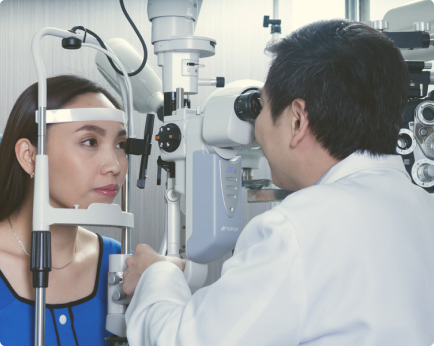
A slit-lamp examination gives the ophthalmologist a magnified view of the eyelids, tear film, cornea, iris, lens, and other front eye structures. This examination may help identify cataracts, dryness, inflammation, infection, injury, or changes that need further assessment.
Pupil dilation allows a broader view of the retina and optic nerve. A dilated examination may help detect diabetic eye disease, retinal tears, optic nerve damage, age-related changes, and other concerns that may not be visible through a smaller pupil.
Eye Clinic Technology in Bicol for Glaucoma Care
Glaucoma can damage the optic nerve and may cause permanent vision loss. Early stages often produce no noticeable symptoms, which makes regular examination important for people with risk factors. Eye clinic technology in Bicol supports glaucoma care by helping an ophthalmologist study eye pressure, optic nerve structure, and visual function.
Visual field testing checks side vision and other parts of the visual field. Glaucoma often affects peripheral vision before central vision, so a patient may not notice the change right away. Repeated tests can help show whether vision remains stable or whether further treatment may be needed.
Optic nerve imaging may provide detailed records of nerve appearance and nearby tissue. Baseline images can support future comparison, especially when glaucoma is suspected or already diagnosed. Imaging findings still require careful interpretation because natural differences exist among patients.
Eye pressure checks remain another key part of glaucoma assessment. Pressure may vary across the day, and treatment decisions rarely depend on one reading alone. Dr. Lee Tan’s advanced glaucoma training supports a broader review of pressure, nerve appearance, visual field performance, age, family history, and other risk factors.
Long-term glaucoma care may include eye drops, laser treatment, surgery, or regular observation, depending on disease severity and progression. Eye clinic technology in Bicol helps track response to care and supports timely changes when needed.
Cataract Evaluation and Surgical Planning
A cataract forms when the natural lens becomes cloudy. Common symptoms include blurry vision, glare, halos, faded colours, poor night vision, and frequent prescription changes. A full examination helps confirm whether the cataract is the main cause of reduced sight or whether another eye condition also affects vision.
Eye clinic technology in Bicol supports cataract evaluation through lens examination, vision testing, corneal assessment, and measurements used for artificial lens calculations. Before surgery, the ophthalmologist studies the eye as a whole. Retinal disease, glaucoma, corneal problems, or optic nerve damage may affect the expected result, so honest discussion remains essential.
Eye measurements help estimate the power of the artificial lens placed during cataract surgery. Accurate data supports surgical planning and helps the doctor discuss possible visual outcomes. Some patients may still need glasses after surgery, depending on eye health, lens choice, and personal visual goals.
Cataract surgery removes the cloudy natural lens and replaces it with a clear artificial lens. Surgical technology supports controlled lens removal, careful wound creation, and precise placement. Surgeon skill, sterile practice, patient preparation, and follow-up care remain equally important.
Lee Tan Eye Clinic lists cataract surgery among its ophthalmological services. Patients considering surgery can ask about the evaluation process, lens options, recovery expectations, possible risks, and follow-up schedule.
Technology for Plastic, Lacrimal, and Orbit Concerns
Ophthalmology also covers conditions involving the eyelids, tear drainage system, and eye socket. Problems may include drooping lids, blocked tear drainage, swelling, injury, masses, or changes that affect comfort and function.
Eye clinic technology in Bicol may help document eyelid position, assess tear flow, inspect surface structures, and study deeper concerns when further testing is needed. The exact approach depends on symptoms and examination findings. Some cases may require medical care, while others may need surgery or referral for added imaging.
Careful assessment matters because eyelid and tear-related problems can affect more than appearance. Poor lid closure may cause dryness or corneal exposure. Blocked tear drainage may lead to constant tearing or repeated infection. Swelling around the eye may need prompt evaluation, especially when paired with pain, fever, double vision, or reduced sight.
Early Detection Through Preventive Eye Care
Preventive eye care helps identify problems before major vision loss occurs. Eye clinic technology in Bicol supports screening, baseline documentation, and regular comparison. This approach reflects Dr. Tan’s belief that early detection and prevention can reduce the need for more extensive treatment.
Adults with diabetes may need regular retinal assessment because high blood sugar can damage small blood vessels at the back of the eye. People with a family history of glaucoma may carry higher risk. Older adults may develop cataracts, glaucoma, retinal disease, or age-related changes. Patients with previous eye injury, long-term steroid exposure, or chronic medical conditions may also need closer follow-up.
A person should not wait for severe symptoms before seeking care. Blurry vision, glare, headaches linked with visual tasks, frequent prescription changes, eye pain, redness, halos, or loss of side vision all deserve professional assessment. Regular visits can also help people who feel well but carry known risk factors.
Specialist Interpretation Still Matters
Machines can measure, photograph, scan, and map eye structures, but they cannot replace an ophthalmologist’s judgment. Eye clinic technology in Bicol provides data. The doctor decides what that data means for a particular patient.
Two people may have similar eye pressure readings yet very different glaucoma risk. A cataract may look advanced but cause little trouble for one patient, while a smaller cataract may seriously affect another person’s work or night driving. An image may appear unusual because of normal anatomy rather than disease. Clinical context prevents rushed conclusions.
Dr. Lee Tan’s medical education, residency training, general ophthalmology experience, surgical background, and glaucoma fellowship support careful interpretation. His approach centres on matching care with visual needs, disease severity, daily activities, and long-term goals.
Patients should feel free to ask what a test measures, why it was recommended, what the result means, and whether repeat testing is needed. Clear explanation builds trust and helps patients take an active role throughout care.
Patient-Centred Care Supported by Technology
Eye clinic technology in Bicol should serve the patient rather than turn care into a series of machine readings. Good ophthalmologic care starts with listening. Symptoms, work demands, hobbies, medical history, budget concerns, and family responsibilities may all affect treatment choices.
A patient with early cataract may choose observation when daily tasks remain manageable. Another patient may need surgery sooner because glare affects driving or work. A person with glaucoma may need a simpler medication plan to support regular use. Someone with eyelid or tear drainage problems may require a different approach based on comfort and eye surface health.
Lee Tan Eye Clinic places value on preventive and personalised care. A stepwise plan can start with observation or medication, then move toward procedures or surgery only when clinically justified. Technology supports this process by helping the doctor track changes and explain why a specific option may be suitable.
What Patients May Expect During a Visit
A technology-assisted eye visit usually begins with questions about symptoms and health history. The care team may ask when the problem started, whether one or both eyes are affected, and whether symptoms remain constant or change through the day.
Initial testing may include visual acuity, pupil checks, eye movement assessment, and prescription measurement. The ophthalmologist may then perform a slit-lamp examination, check eye pressure, and inspect the optic nerve or retina.
Extra tests may be requested when glaucoma, cataract, retinal disease, corneal changes, or another condition is suspected. Eye clinic technology in Bicol helps collect the information needed for diagnosis and monitoring, but testing should match the clinical concern. Not every patient needs every test.
After the examination, the doctor should discuss findings, possible causes, treatment choices, expected results, and follow-up. Patients may also receive advice about warning signs that require urgent care.
Eye Conditions That May Benefit From Modern Diagnostic Support
Many common eye conditions may benefit from technology-assisted assessment. Cataracts require lens evaluation and careful surgical measurements. Glaucoma care may require pressure checks, optic nerve assessment, and visual field testing. Dry eye may need examination of the tear film, lids, and corneal surface.
Corneal problems, eye injuries, diabetic eye disease, retinal concerns, eyelid disorders, tear drainage blockage, and age-related vision changes may also require focused testing. Eye clinic technology in Bicol gives the ophthalmologist more information, yet test selection should always match the patient’s symptoms and examination findings.
Sudden symptoms need special attention. Rapid loss of sight, severe pain, flashes, many new floaters, a dark curtain across vision, chemical exposure, or eye trauma may signal an urgent problem. Prompt assessment can protect vision and guide emergency care.
Choosing Eye Care Technology and Expertise Together
Patients searching for eye clinic technology in Bicol should consider both equipment and professional qualifications. Modern devices are helpful, but skilled interpretation, surgical experience, patient education, and follow-up care have equal value.
Ask whether the clinic provides care for cataracts, glaucoma, general eye concerns, eyelid problems, tear drainage disorders, and orbit-related conditions. Ask who will interpret the tests and explain the results. Look for a clinic that gives realistic expectations rather than promises.
Lee Tan Eye Clinic provides comprehensive ophthalmology, cataract surgery, glaucoma care, and plastic, lacrimal, and orbit services. Dr. Lee Tan’s board certification and UP–PGH training support specialist care for patients across Bicol.
Patients may also ask which tests are available before booking, especially when seeking glaucoma monitoring or cataract planning. Specific equipment may change over time, so direct confirmation remains the best approach.
Why Lee Tan Eye Clinic Is a Trusted Choice
Lee Tan Eye Clinic combines specialist training, surgical experience, preventive care, and patient-focused planning. Dr. Lee Tan graduated cum laude with a Psychology degree from the University of the Philippines, earned his medical degree from the UP College of Medicine, and completed ophthalmology residency at UP–PGH.
After five years of general ophthalmology practice, Dr. Tan completed advanced glaucoma fellowship training. This background supports care for routine concerns as well as conditions that require long-term monitoring or surgical judgment.
Eye clinic technology in Bicol becomes more useful when guided by a doctor who understands both the test result and the person behind it. Lee Tan Eye Clinic focuses on early detection, careful treatment selection, and preservation of useful vision.
Frequently Asked Questions About Eye Clinic Technology in Bicol
What Does Eye Clinic Technology Help Detect?
Eye clinic technology may support assessment of cataracts, glaucoma, retinal disease, corneal problems, eye pressure changes, eyelid concerns, and other causes of reduced vision. The ophthalmologist chooses tests based on symptoms and examination findings.
Does Modern Equipment Guarantee an Accurate Diagnosis?
No. Equipment provides measurements and images, while the ophthalmologist interprets those results together with medical history, symptoms, risk factors, and physical examination.
Can Glaucoma Be Found Before Symptoms Appear?
Yes, glaucoma may cause measurable changes before a patient notices vision loss. Regular eye checks are especially valuable for older adults, people with a family history of glaucoma, and patients with other risk factors.
What Tests May Be Needed Before Cataract Surgery?
Possible tests include visual acuity assessment, slit-lamp examination, retinal evaluation, eye measurements, and added testing when another condition may affect the result.
Does Every Patient Need Advanced Testing?
No. Tests should match the patient’s symptoms, age, health history, risk factors, and examination findings. A qualified ophthalmologist decides which tests are necessary.
How Often Should Adults Receive an Eye Examination?
The schedule depends on age, symptoms, family history, diabetes, previous eye disease, medication use, and other health factors. An ophthalmologist can recommend a suitable interval.
Who Provides Glaucoma Care at Lee Tan Eye Clinic?
Dr. Lee Tan leads glaucoma assessment and management. He is a board-certified ophthalmologist with advanced glaucoma fellowship training from UP–PGH.
Does Lee Tan Eye Clinic Offer Cataract Surgery?
Yes. Cataract surgery is listed among the clinic’s ophthalmological services. A full evaluation is needed to confirm whether surgery is suitable.
When Should Someone Seek Urgent Eye Care?
Urgent assessment is needed for sudden vision loss, severe eye pain, chemical exposure, eye trauma, sudden flashes or floaters, a curtain-like shadow, painful redness, or halos paired with headache, nausea, or vomiting.