A wound that remains open, painful, swollen, or slow to heal deserves careful medical attention. Basic first aid may help a minor cut, yet chronic, infected, diabetic, surgical, or pressure-related wounds often need a more detailed approach. A wound care specialist doctor evaluates the wound, checks possible causes, and creates a care plan based on the patient’s health, symptoms, and healing progress.
KALINGAP Wound Care Clinic provides compassionate and advanced wound care for patients across Quezon City. Its name combines “Kalinga,” meaning care, and “Lingap,” meaning nurture. That identity reflects a Filipino approach shaped by family support, community responsibility, respect, and genuine concern for every patient.
Patients who seek help from a wound care specialist doctor may receive professional wound assessment, infection control, specialised dressings, debridement, patient education, and advanced treatment options when medically appropriate. Early assessment matters because a small wound may become harder to manage when diabetes, poor circulation, reduced sensation, weak immunity, or repeated pressure affects healing.
What Is a Wound Care Specialist Doctor?
A wound care specialist doctor focuses on wounds that need more than routine home treatment. The doctor studies the wound’s size, depth, tissue colour, drainage, odour, surrounding skin, pain level, and possible infection. Medical history also matters because wound healing may be affected by diabetes, circulation problems, limited mobility, nutritional concerns, medicines, or another health condition.
A wound care specialist doctor does not only look at the visible skin damage. The evaluation may also consider why the wound started, why it remains open, and which factors may delay recovery. This broader assessment helps the care team choose proper dressings, debridement methods, pressure relief measures, and follow-up intervals.
Specialist wound care may also involve nurses, caregivers, family members, and other healthcare professionals. Such teamwork helps patients follow dressing instructions, protect the affected area, watch for warning signs, and attend follow-up visits.
Signs That Call for a Wound Care Specialist Doctor
Some wounds improve after basic cleaning and protection. Others show warning signs that call for medical assessment. A wound care specialist doctor should assess a wound that grows larger, becomes deeper, produces more drainage, develops an unpleasant smell, or causes stronger pain.
Redness, warmth, swelling, fever, pus-like drainage, or red streaks spreading away from a wound may suggest infection. MedlinePlus lists warmth, redness, swelling, fever, throbbing pain, red streaks, and pus-like drainage among warning signs that require medical attention.
A wound also deserves specialist attention when:
- Healing shows little progress
- Damaged tissue appears black, grey, or yellow
- The wound repeatedly opens
- Skin breaks down over a heel, hip, elbow, tailbone, or another pressure point
- A foot sore affects a person with diabetes
- The wound follows surgery and starts draining or separating
- Poor circulation affects the legs or feet
- Pain, numbness, or swelling becomes worse
- A caregiver feels unsure about cleaning, dressing, or protecting the area
Heavy bleeding, high fever, confusion, rapidly spreading redness, severe pain, exposed bone, or sudden tissue darkening may require urgent emergency care rather than a routine clinic visit.
Wounds Commonly Managed by a Wound Care Specialist Doctor
A wound care specialist doctor may care for many wound types. Each type has different causes, risks, and treatment needs.
Diabetic Foot Ulcers
Diabetes may damage nerves and reduce blood flow, which can make foot injuries harder to notice and slower to heal. The CDC notes that nerve damage and poor blood flow raise the risk of foot ulcers among people with diabetes.
A blister, small cut, cracked area, or pressure spot may worsen without proper care. A wound care specialist doctor can assess tissue health, infection risk, pressure points, sensation, drainage, and footwear concerns. Education about daily foot checks also plays a major role because early discovery may help prevent more serious problems.
Chronic Wounds
A chronic wound remains open or shows limited healing progress over an extended period. Several factors may contribute, such as diabetes, venous problems, arterial disease, repeated trauma, pressure, poor nutrition, or weak immune response. Wound care centres commonly manage wounds related to diabetes, poor blood flow, swollen legs, and other factors that may delay healing.
A wound care specialist doctor tracks wound measurements, tissue changes, drainage, skin condition, and response to treatment. The care plan may change as the wound improves or develops new concerns.
Pressure Injuries
Pressure injuries, also called pressure sores or bedsores, develop when prolonged pressure damages skin and deeper tissue. Common sites include heels, elbows, hips, and the tailbone.
Patients with reduced mobility may face greater risk. A wound care specialist doctor may recommend pressure relief, position changes, support surfaces, skin protection, dressings, nutrition support, and caregiver education.
Venous Leg Ulcers
Venous leg ulcers often appear around the lower leg or ankle. Swelling, skin colour changes, heaviness, aching, or repeated skin breakdown may also occur.
A wound care specialist doctor must assess the wound and possible circulation concerns before recommending treatment. Compression may help selected venous wounds, yet proper medical assessment remains necessary because some patients may also have arterial concerns.
Surgical Wounds
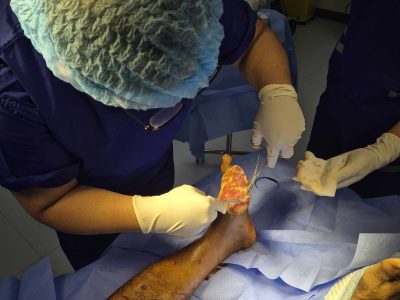
Most surgical wounds heal as expected, but some may separate, drain, become painful, or show infection signs. A wound care specialist doctor can assess the wound bed, surrounding skin, drainage, stitches or staples, and need for added treatment. Vacuum-assisted closure may be used for selected surgical wounds under medical supervision.
Traumatic and Infected Wounds
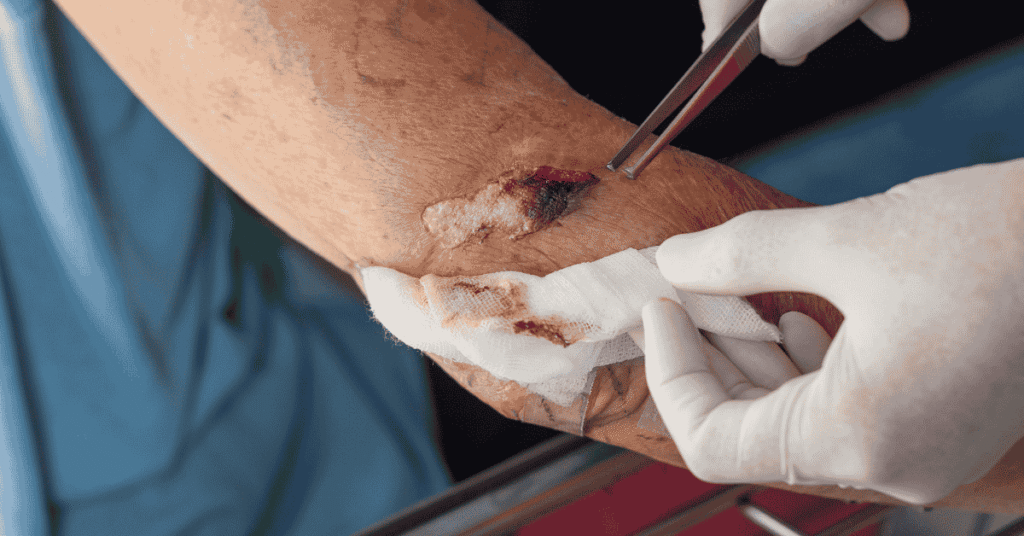
Cuts, punctures, falls, burns, abrasions, and other injuries may introduce dirt or bacteria. Deep wounds, contaminated wounds, or wounds with damaged tissue may need specialist cleaning, debridement, infection assessment, and close follow-up.
Why Chronic Wounds Need Specialist Attention
Chronic wounds rarely depend on a single factor. A surface dressing alone may not solve pressure, poor blood flow, uncontrolled blood sugar, infection, tissue death, swelling, or repeated friction.
A wound care specialist doctor looks for these connected concerns and builds a care plan around them. Such a plan may include wound cleaning, debridement, moisture control, pressure reduction, infection treatment, nutrition advice, blood sugar coordination, mobility support, or referral to another medical professional.
Regular measurement also helps show whether the wound becomes smaller, shallower, cleaner, or less painful. A wound care specialist doctor can adjust treatment when progress slows or symptoms change.
What Happens During a Wound Care Visit?
A first visit usually starts with questions about when the wound appeared, what caused it, which treatments have already been tried, and whether symptoms have changed. The wound care specialist doctor may also ask about diabetes, circulation, immune concerns, medicines, allergies, previous surgery, mobility, diet, and daily wound care.
Next comes a detailed wound examination. The doctor may check:
- Length, width, and depth
- Tissue colour and condition
- Drainage amount and type
- Odour
- Pain or numbness
- Surrounding redness or swelling
- Skin temperature
- Pressure points
- Possible tunnelling below the skin
- Signs of infection or poor circulation
After assessment, the wound care specialist doctor explains recommended care. The plan may cover cleaning, dressing changes, debridement, pressure relief, advanced therapy, medicine, laboratory tests, medical imaging, referral, or follow-up timing.
Patients and caregivers should ask questions during this visit. Clear instructions support safer home care and help families recognise changes that need prompt attention.
Treatments a Wound Care Specialist Doctor May Recommend
Treatment depends on wound type, depth, cause, drainage, infection risk, tissue condition, and patient health. No single method suits every wound.
Professional Wound Cleaning
Careful cleaning removes surface debris and helps the clinical team view the wound bed. A wound care specialist doctor may choose a cleansing method that protects healthy tissue while preparing the area for dressing or debridement.
Debridement
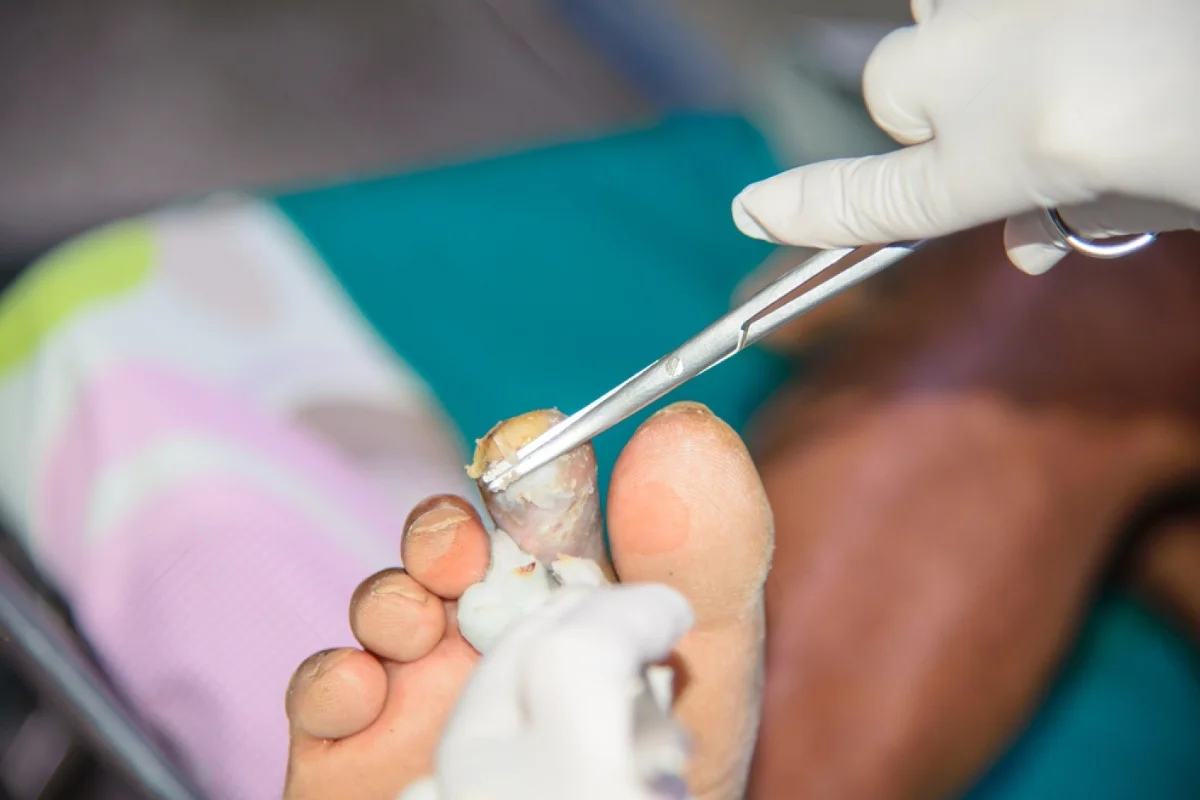
Debridement removes dead, damaged, or contaminated tissue. Such tissue may block proper assessment, hold bacteria, create odour, or slow healing. A wound care specialist doctor selects the method based on wound condition, pain, circulation, bleeding risk, and medical history.
NICE lists removal of dead, damaged, or infected skin as a treatment option for diabetic foot ulcers.
KALINGAP Wound Care Clinic offers ultrasonic debridement as part of its advanced care options. This method may support targeted cleaning of selected wounds. Suitability always depends on professional assessment.
Advanced Wound Dressings
Dressings do more than cover a wound. They may control moisture, absorb drainage, protect surrounding skin, reduce friction, and support a healthier wound environment.
A wound care specialist doctor may select foam, alginate, hydrofiber, antimicrobial, contact-layer, or another dressing type according to clinical need. Dressing choice may change as drainage, tissue, or wound size changes.
Negative Pressure Wound Therapy
Negative pressure wound therapy applies controlled suction through a special dressing. NICE describes the method as suction applied to the wound.
A wound care specialist doctor may consider this option for selected complex, deep, surgical, or heavily draining wounds. It is not automatically suitable for every patient or every pressure injury, so careful assessment remains necessary.
NICE advises against routine use for adult pressure ulcers unless fewer dressing changes are needed, such as cases with large drainage volume.
NICE also states that negative pressure wound therapy may be considered after surgical debridement for selected diabetic foot ulcers, based on advice from a multidisciplinary foot care service.
KALINGAP Wound Care Clinic provides negative pressure wound therapy for appropriate cases under trained clinical care.
Infection Control
A wound care specialist doctor checks for local or spreading infection. Depending on findings, care may involve cleaning, drainage, tissue removal, wound culture, medicine, or urgent referral.
Patients should never ignore fever, worsening pain, spreading redness, pus, strong odour, or sudden weakness. Prompt assessment may reduce the chance of deeper tissue damage.
Pressure Relief
Pressure relief is especially important for diabetic foot ulcers and pressure injuries. A wound care specialist doctor may recommend footwear changes, offloading devices, reduced weight on the affected foot, position changes, support cushions, or caregiver assistance.
How a Wound Care Specialist Doctor Helps Patients With Diabetes
Foot care deserves special attention for people with diabetes. Nerve damage may reduce pain sensation, while poor blood flow may slow healing. A patient may not notice a blister, small cut, or hot spot until the area becomes larger or infected.
The CDC advises people with diabetes to seek medical care for sores, ulcers, redness, swelling, or other foot changes.
A wound care specialist doctor can help through:
- Detailed foot and wound assessment
- Infection checks
- Dressing selection
- Dead tissue removal when needed
- Pressure relief guidance
- Footwear review
- Daily foot-care education
- Follow-up measurement
- Coordination with the patient’s diabetes care team
Patients should check both feet every day, especially the soles, heels, toes, and spaces between toes. A mirror or family member may help when bending or vision problems make checking difficult.
Regular professional foot checks also matter because they can help identify changes before a serious foot problem develops.
Benefits of Early Specialist Wound Care
Early help from a wound care specialist doctor may lead to faster identification of infection, pressure damage, circulation concerns, or dead tissue. It also gives patients clear guidance before the wound becomes deeper or more difficult to manage.
Other benefits may include:
- A clear wound assessment
- Proper dressing selection
- Access to advanced treatment options
- Better pain and drainage management
- Education for patients and caregivers
- Regular wound measurement
- Support for diabetes-related foot care
- Referrals when another health concern needs attention
- Reduced guesswork during home care
No ethical clinic should promise a fixed healing date because wound recovery differs from one patient to another. Age, circulation, blood sugar, nutrition, mobility, infection, wound depth, and treatment consistency may all affect progress.
Why Choose KALINGAP Wound Care Clinic?
KALINGAP Wound Care Clinic aims to become a trusted referral centre for wound care across Quezon City. Its mission centres on compassionate, patient-focused care supported by advanced technology, evidence-based practice, and ethical treatment.
Compassionate Filipino Care
The name KALINGAP reflects care and nurture. Patients may feel worried, embarrassed, frustrated, or afraid when a wound does not heal. The clinic’s approach recognises emotional needs alongside medical needs, with family and community support forming part of the patient experience.
Care for the Whole Health Picture
KALINGAP considers wound causes and related health concerns, not only the open area. This approach may benefit patients with diabetes, weakened immunity, venous insufficiency, reduced mobility, or recurring wounds.
Advanced Treatment Options
The clinic offers ultrasonic debridement and negative pressure wound therapy for suitable cases. A wound care specialist doctor determines whether an advanced treatment matches the wound’s condition and the patient’s needs.
Community Commitment
Financial pressure often causes people to postpone medical care. KALINGAP seeks to address such barriers through community partnerships, outreach efforts, practical affordability strategies, preventive education, and emotional support.
Supporting Wound Healing at Home
Home care should follow the wound care specialist doctor’s instructions. Patients should keep dressings clean, protect the area from pressure or friction, and avoid applying unapproved substances.
Helpful habits may include:
- Wash hands before and after dressing care
- Follow the recommended dressing schedule
- Keep the wound protected from dirt and water when advised
- Check nearby skin for redness, swelling, heat, or damage
- Avoid picking scabs or cutting dead tissue
- Follow nutrition and hydration advice
- Manage diabetes and other health conditions
- Attend every follow-up visit
- Report sudden changes promptly
A wound care specialist doctor should reassess the area when drainage increases, pain becomes stronger, the wound grows, or fever appears.
Common Mistakes That May Delay Healing
Several habits may make wound care harder:
- Waiting too long before seeking help
- Walking on a diabetic foot wound without pressure relief
- Reusing dirty dressings
- Applying herbal products, powders, alcohol, or harsh chemicals without medical approval
- Stopping care after slight improvement
- Missing follow-up appointments
- Ignoring swelling, odour, pus, or spreading redness
- Cutting dead tissue at home
- Wearing footwear that rubs the wound
- Failing to manage blood sugar or circulation concerns
A wound care specialist doctor can replace guesswork with a clear plan based on the wound’s current condition.
Preparing for a Wound Care Appointment
Patients can prepare by bringing a medicine list, medical records, recent laboratory results, allergy details, and photos showing earlier wound changes. They should also mention previous dressings, creams, antibiotics, home remedies, or procedures.
Useful questions may include:
- What type of wound do I have?
- What may be slowing healing?
- How should the dressing be changed?
- Which warning signs need urgent care?
- Should pressure or walking be limited?
- How often should follow-up happen?
- Could ultrasonic debridement or negative pressure wound therapy help?
- Which family member or caregiver instructions matter most?
Clear communication with the wound care specialist doctor helps patients understand each step and follow the care plan more confidently.
Choose Professional Care for a Slow-Healing Wound
A slow-healing, infected, diabetic, surgical, or pressure-related wound deserves proper medical assessment. Early care may help identify infection, damaged tissue, circulation concerns, pressure, or another cause before the problem becomes more serious.
KALINGAP Wound Care Clinic offers compassionate wound support for Quezon City patients through professional assessment, advanced technology, patient education, preventive care, and community commitment. A wound care specialist doctor can guide patients and families through each stage of treatment with clear recommendations based on medical need.
Anyone with a wound that grows, drains, smells, darkens, becomes painful, or fails to improve should seek medical attention promptly. Severe symptoms require emergency care.
Frequently Asked Questions About a Wound Care Specialist Doctor
What does a wound care specialist doctor do?
A wound care specialist doctor assesses wound type, size, depth, tissue, drainage, pain, infection signs, circulation concerns, and related health conditions. The doctor then recommends cleaning, dressings, debridement, pressure relief, medicine, advanced therapy, referrals, or follow-up based on clinical findings.
When should I see a wound care specialist doctor?
Seek specialist care when a wound heals slowly, becomes larger, produces pus, smells unpleasant, causes worsening pain, shows dark tissue, repeatedly opens, or affects a person with diabetes or poor circulation.
Can a wound care specialist doctor treat diabetic foot ulcers?
Yes. Diabetic foot ulcers commonly need specialist assessment because nerve damage, poor blood flow, infection risk, and repeated pressure may affect healing. Treatment may include cleaning, dressings, debridement, pressure relief, infection care, education, and regular follow-up.
What treatments may be recommended for chronic wounds?
A wound care specialist doctor may recommend professional cleaning, debridement, advanced dressings, pressure relief, infection management, ultrasonic debridement, negative pressure wound therapy, or referral for circulation and diabetes care. Treatment depends on the wound and patient.
Is ultrasonic debridement suitable for every wound?
No. A wound care specialist doctor must assess tissue condition, circulation, pain, bleeding risk, infection, wound location, and medical history before recommending ultrasonic debridement.
Is negative pressure wound therapy safe for every wound?
No. This therapy may help selected wounds, but some wounds require another approach. The wound care specialist doctor reviews wound type, depth, drainage, tissue condition, and patient health before recommending it.
Can a chronic wound be treated only at home?
Home care may support recovery, but chronic, diabetic, infected, deep, surgical, or worsening wounds need professional assessment. A wound care specialist doctor can identify problems that may not be obvious during home dressing changes.
How often should follow-up visits happen?
Follow-up timing depends on wound severity, drainage, infection risk, treatment type, health conditions, and progress. A wound care specialist doctor sets the schedule after assessment.
Where can I find a wound care specialist doctor near Quezon City?
KALINGAP Wound Care Clinic serves patients seeking compassionate and advanced wound care across Quezon City. Its services include wound assessment, patient education, ultrasonic debridement, negative pressure wound therapy, and support for chronic or complex wounds.