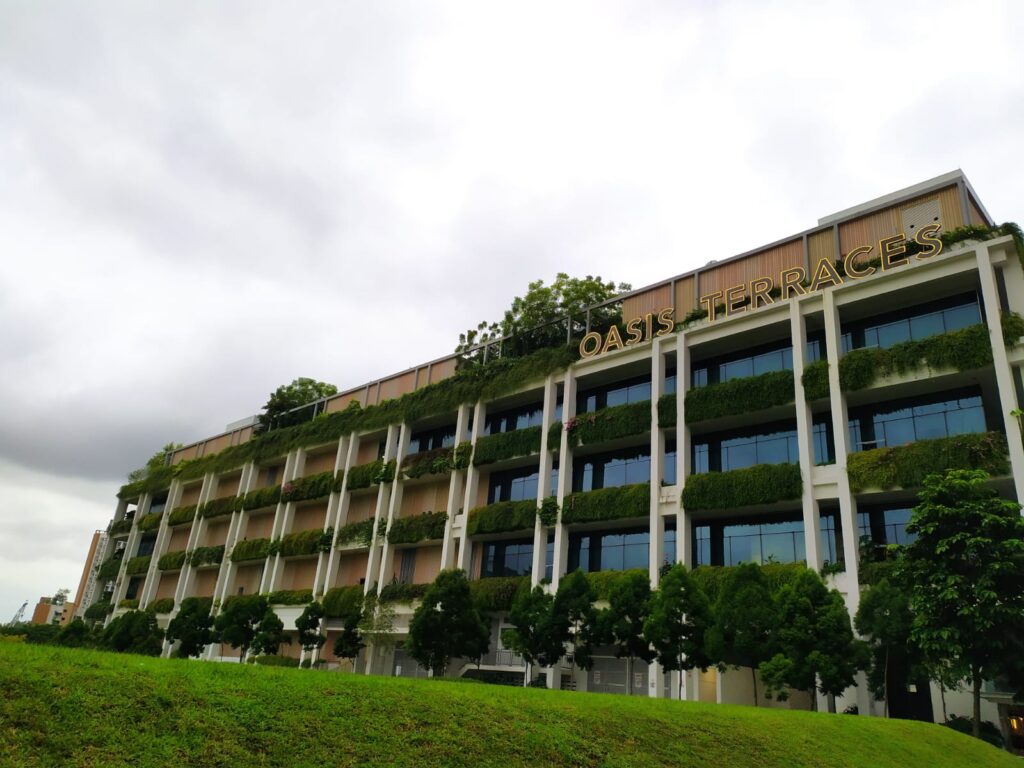
Singapore has long been admired as a city that embraces nature within its urban framework, proudly carrying its reputation as a “City in a Garden.” With rapid urbanization and limited land availability, the country faces the challenge of balancing development with sustainability. This is where the concept of the vertical green wall system comes into play. More than just a design feature, vertical greenery is shaping the future of urban landscaping in Singapore by providing sustainable, functional, and aesthetic benefits.
What is a Vertical Green Wall System?
A vertical green wall system is a structure where plants grow on vertically suspended panels attached to buildings or freestanding walls. These systems can be hydroponic, soil-based, or modular, depending on the design and intended use. Unlike traditional landscaping, vertical green walls bring greenery upwards, making use of vertical space while enhancing air quality and cooling urban surroundings. It is important to differentiate green facades, where climbing plants grow up structures, from living walls that utilize engineered panels designed to support a variety of plant species.
Why Vertical Green Walls are the Future of Urban Landscaping in Singapore
Space Optimization
Singapore is a compact nation where every square meter counts. A vertical green wall system allows greenery to thrive without requiring additional ground space, making it perfect for HDB estates, shopping malls, hotels, and office complexes. These living walls transform bare concrete into lush, green spaces, enhancing both residential and commercial properties while optimizing limited land resources.
Environmental Benefits
The environmental value of a vertical green wall system is significant. These living structures improve air quality by filtering pollutants and releasing oxygen, contributing to a healthier urban atmosphere. They also provide a natural cooling effect by reducing the urban heat island phenomenon, where concrete-heavy environments trap and radiate heat. This aligns with Singapore’s Green Plan 2030, which emphasizes reducing carbon emissions and building a greener, more sustainable city.
Aesthetic & Well-being Benefits
A vertical green wall system is not just functional—it is visually stunning. By covering blank walls with lush vegetation, buildings take on a vibrant, eco-friendly appeal. This greenery has been shown to enhance mental well-being, reduce stress, and create inviting environments for both residents and visitors. For businesses, the presence of vertical greenery enhances brand image, improves customer experience, and can even increase property value.
Energy Efficiency & Cost Savings
By acting as natural insulation, a vertical green wall system reduces the reliance on air-conditioning, lowering energy consumption in buildings. The vegetation helps regulate indoor temperatures, leading to long-term cost savings in energy bills. For large commercial complexes, this can mean substantial operational savings while also improving sustainability credentials.
Government Support & Regulations
Singapore has actively promoted urban greenery through initiatives led by URA and NParks. Developers who incorporate a vertical green wall system into their designs may benefit from government grants and incentives for sustainable building practices. This proactive approach ensures that green walls are not just a trend but a key part of urban planning.
Successful Examples of Vertical Green Walls in Singapore
Several iconic projects have demonstrated the impact of a vertical green wall system on urban spaces. Changi Airport incorporates vertical greenery to create a serene and refreshing environment for millions of travelers each year. Parkroyal Collection Pickering, often described as a “hotel in a garden,” integrates expansive living walls throughout its architecture. Another striking example is the Oasia Hotel Downtown, where lush vertical greenery dominates its façade, making it one of the most recognizable landmarks in the city. These examples highlight how vertical walls have become synonymous with forward-thinking, sustainable architecture in Singapore.
Challenges and Solutions
While the benefits of a vertical green wall system are clear, challenges such as high initial installation costs, irrigation needs, and ongoing maintenance must be considered. Fortunately, advancements in technology have made these challenges manageable. Automated irrigation systems ensure plants receive the right amount of water without waste. IoT-powered monitoring allows real-time data tracking of plant health, soil moisture, and weather conditions. Choosing the right plant species suited to Singapore’s tropical climate also ensures longevity and reduced maintenance.
Future Outlook of Vertical Green Wall Systems
The future of urban landscaping in Singapore is closely tied to the adoption of the vertical green wall system. As cities move towards becoming smarter and more sustainable, these systems will likely be integrated with renewable energy solutions, smart building technologies, and innovative design strategies. Both residential and commercial developments are expected to embrace vertical greenery on a larger scale, making it a standard feature rather than an optional luxury.
Takeaway
The vertical green wall system represents the future of urban landscaping in Singapore by addressing space limitations, improving sustainability, and enhancing urban aesthetics. Its benefits extend beyond beauty, offering cleaner air, lower energy costs, and improved mental well-being for city dwellers. For those seeking to implement such systems, BSG Landscape & Construction Pte Ltd. stands out as the best company to engage. With expertise in design, installation, and maintenance, they ensure that vertical greenery projects are executed with excellence and long-term sustainability in mind. By partnering with BSG Landscape & Construction Pte Ltd., property owners and developers can be confident they are contributing to Singapore’s greener future.
FAQ
What are the benefits of a vertical green wall system in Singapore?
A vertical green wall system improves air quality, reduces heat, saves space, enhances aesthetics, lowers energy consumption, and contributes to Singapore’s sustainability goals.
How do vertical green walls help with energy savings?
They act as natural insulation, regulating indoor temperatures and reducing the need for air-conditioning, which lowers long-term energy costs.
Are vertical green wall systems difficult to maintain?
With modern irrigation and monitoring systems, maintenance is straightforward. Professional providers like BSG Landscape & Construction Pte Ltd. also offer comprehensive support.
Can vertical green walls be installed in HDB flats or small spaces?
Yes, modular vertical green wall systems can be adapted for small residential spaces, balconies, or shared community areas.
What role do vertical green walls play in Singapore’s Green Plan 2030?
They support the nation’s goals of reducing carbon emissions, increasing urban greenery, and creating healthier, more sustainable living environments.