Understanding Infertility and Reproductive Health Challenges
Infertility is a medical condition where conception does not occur after a consistent period of unprotected intercourse, typically 12 months for most couples. Infertility treatment focuses on identifying barriers to conception and applying medical or assisted methods to improve reproductive outcomes. This condition affects both men and women, and in many cases, multiple factors are involved at the same time. Reproductive health depends on a complex interaction between hormones, organs, genetics, and lifestyle factors. Many individuals only become aware of fertility challenges when pregnancy does not happen as expected. Emotional stress often develops alongside physical concerns, making the experience deeply personal. Early evaluation plays an important role in improving the chances of successful infertility treatment. Awareness of how fertility works helps individuals make informed decisions about their health.
Causes of Infertility in Men and Women
Infertility can be caused by a variety of medical conditions affecting either partner. In women, ovulation disorders are a leading cause and often involve hormonal imbalances that prevent regular egg release. Polycystic ovary syndrome is one of the most common conditions linked to irregular ovulation. Blocked fallopian tubes can prevent fertilization by stopping sperm from reaching the egg. Endometriosis may also interfere with implantation and reproductive function due to inflammation and scar tissue formation. In men, infertility may result from low sperm count, poor sperm movement, or abnormal sperm structure. Hormonal issues or genetic conditions can further reduce fertility potential. Lifestyle factors such as smoking, alcohol use, poor diet, and stress can also negatively affect reproductive health. In some cases, infertility remains unexplained even after thorough testing, yet infertility treatment can still be effective.
Diagnostic Evaluation in Infertility Treatment
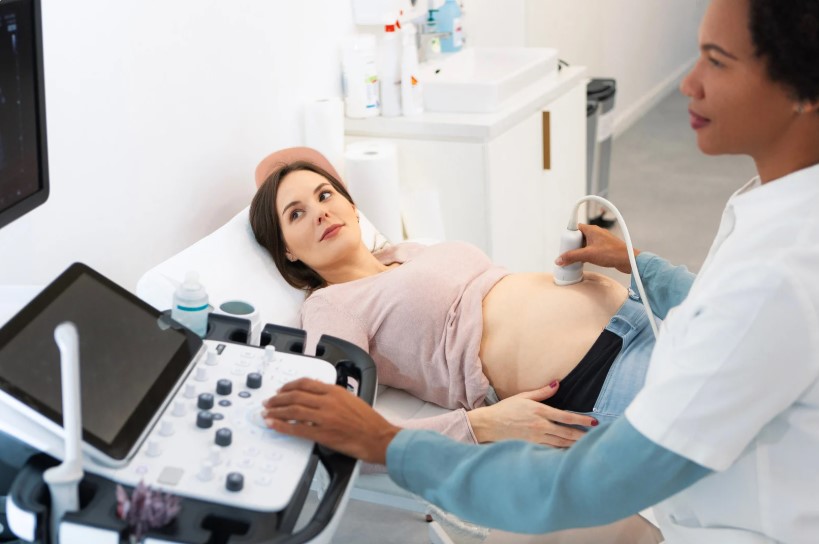
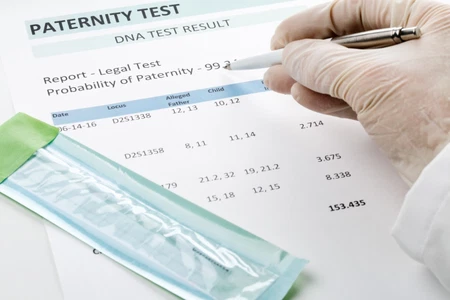
A complete diagnostic process is essential before beginning infertility treatment. Doctors usually start by reviewing the medical history of both partners in detail. This includes questions about menstrual cycles, sexual activity, past illnesses, and lifestyle habits. Hormonal blood tests are commonly used to evaluate reproductive hormone levels. Ultrasound imaging helps assess the condition of the uterus and ovaries. A hysterosalpingogram may be performed to check whether fallopian tubes are open and functioning properly. For men, semen analysis is a key test used to evaluate sperm count, movement, and quality. In some cases, genetic testing or advanced imaging may be recommended for deeper evaluation. These diagnostic steps help determine the most appropriate infertility treatment plan for each individual.
First-Line Infertility Treatment Options
Initial infertility treatment often begins with simple and non-invasive approaches. Ovulation-inducing medications are commonly prescribed for women who do not ovulate regularly. Hormone therapy may be used to correct imbalances that affect reproductive cycles. Doctors often recommend tracking ovulation to identify the most fertile days for conception. Lifestyle changes such as maintaining a healthy weight and improving nutrition can support reproductive health. Stress reduction is also encouraged because stress can interfere with hormonal balance. Treating underlying medical conditions like thyroid disorders may improve fertility outcomes. These early infertility treatment strategies are often effective before moving to more advanced procedures.
Assisted Reproductive Technology in Infertility Treatment
Assisted reproductive technology has transformed modern infertility treatment options. Intrauterine insemination involves placing prepared sperm directly into the uterus to increase the chances of fertilization. In vitro fertilization is a more advanced method where eggs are fertilized outside the body in a laboratory setting. The resulting embryo is then transferred into the uterus for implantation. Intracytoplasmic sperm injection is used in cases of severe male infertility by injecting a single sperm directly into an egg. Embryo freezing allows embryos to be stored for future use, providing flexibility in treatment planning. Donor eggs or sperm may be used when biological factors limit natural conception possibilities. These technologies have significantly improved success rates in infertility treatment worldwide.
Surgical Procedures for Fertility Improvement
Some infertility treatment plans include surgical procedures to correct physical abnormalities. Laparoscopic surgery is commonly used to treat conditions like endometriosis and pelvic adhesions. Blocked fallopian tubes may sometimes be repaired to restore natural fertility pathways. Uterine abnormalities such as fibroids or septum formation can be surgically corrected. In male fertility cases, varicocele repair can improve sperm quality and production. These procedures are typically recommended when structural issues are identified through diagnostic testing. Minimally invasive techniques have made surgical infertility treatment safer and more efficient. Recovery times are often shorter compared to traditional surgical methods.
Lifestyle and Natural Support for Infertility Treatment
Lifestyle factors play a major role in supporting infertility treatment outcomes. A balanced diet rich in vitamins, minerals, and antioxidants helps improve reproductive health. Maintaining a healthy body weight is important because both low and high body weight can affect hormone levels. Regular physical activity supports circulation and reduces stress, which benefits fertility. Avoiding smoking and limiting alcohol intake are strongly recommended during fertility planning. Exposure to environmental toxins should also be minimized when possible. Stress management techniques such as meditation and yoga can help improve hormonal balance. These lifestyle improvements often work alongside medical infertility treatment to enhance results.
Emotional Support During Fertility Care
Infertility treatment can be emotionally challenging for many individuals and couples. Feelings of anxiety, frustration, and disappointment are common throughout the process. These emotions may also place strain on relationships if not properly managed. Counseling services can provide valuable emotional support and coping strategies. Support groups allow individuals to connect with others facing similar fertility challenges. Open communication between partners is important for maintaining emotional stability. Healthcare providers also play a role in offering reassurance and guidance. Emotional well-being is closely linked to overall treatment experience and outcomes.
Choosing a Fertility Clinic or Specialist
Selecting the right clinic is an important part of infertility treatment planning. Experience and qualifications of fertility specialists should be carefully reviewed before making a decision. Clinics offering advanced reproductive technologies may provide more comprehensive treatment options. Transparency in success rates and procedures helps patients make informed choices. Personalized care and clear communication are essential for building trust. Accessibility and comfort of the clinic environment may also influence selection. Patients should look for clinics that provide both medical expertise and emotional support. A well-equipped fertility center can significantly improve treatment experiences and outcomes.
Cost Considerations in Infertility Treatment
The cost of infertility treatment varies depending on the type of procedure required. Basic treatments such as medication and monitoring are generally more affordable than advanced procedures like IVF. Multiple treatment cycles may be necessary, which can increase overall expenses. Insurance coverage varies widely depending on location and healthcare provider. Understanding financial responsibilities helps reduce stress during treatment. Some clinics offer financing options or payment plans to support patients. Planning ahead financially allows individuals to focus more on their treatment journey. Cost awareness is an important part of fertility planning.
Risks and Limitations of Infertility Treatment
Infertility treatment comes with certain risks and limitations that should be understood clearly. Fertility medications may cause side effects such as bloating or mood changes. Assisted reproductive procedures may increase the chance of multiple pregnancies. Not all treatment cycles result in pregnancy, and multiple attempts may be required. Age and underlying medical conditions can affect success rates. Emotional and physical demands may increase during advanced treatment stages. Setting realistic expectations helps individuals prepare for the process. Understanding these factors supports better decision-making throughout infertility treatment.
Frequently Asked Questions About Infertility Treatment
What is infertility treatment?
Infertility treatment refers to medical and assisted methods used to help individuals or couples achieve pregnancy. It includes medications, lifestyle changes, surgical procedures, and advanced reproductive technologies.
How long does infertility treatment take?
The duration varies depending on the cause and type of treatment. Some individuals achieve pregnancy within a few months, while others may require longer treatment cycles.
What is the most effective infertility treatment?
Effectiveness depends on individual conditions, but IVF and IUI are among the most commonly used and successful treatments.
Can infertility be cured completely?
In many cases, infertility can be treated successfully depending on the underlying cause. However, outcomes vary based on individual health factors.
Do lifestyle changes really help fertility?
Yes, healthy habits such as proper diet, exercise, and stress management can significantly improve reproductive health and support treatment success.
When should someone seek infertility treatment?
Medical evaluation is recommended after 12 months of trying to conceive, or after 6 months if the woman is over 35.
Takeaway
Infertility treatment offers a wide range of solutions designed to address different causes of reproductive challenges. From early diagnostic testing to advanced assisted reproductive technologies, each step is tailored to individual needs. Lifestyle changes and emotional support also play important roles in improving outcomes. While the process may require time, patience, and multiple approaches, modern fertility medicine continues to expand possibilities for conception. Understanding available options helps individuals make informed decisions and move forward with confidence in their fertility journey.