Understanding Total Knee Replacement Abroad
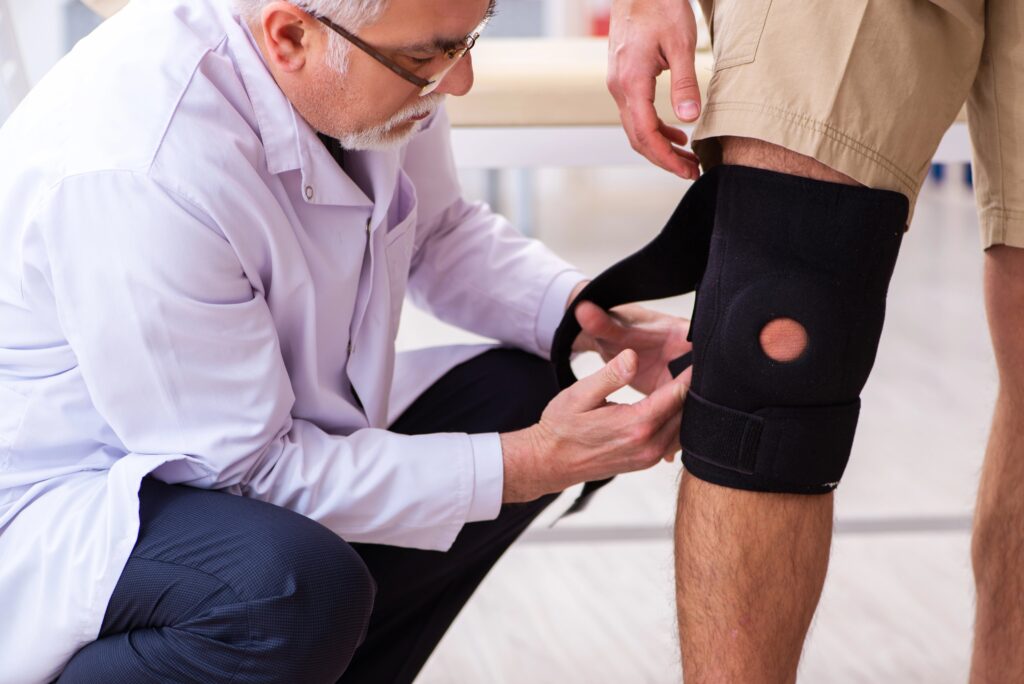
Total knee replacement is a major orthopedic surgery that replaces damaged or worn-out knee joints with artificial implants to restore mobility and reduce pain. Millions of patients undergo this procedure each year, and the demand continues to grow as more people suffer from arthritis, injuries, and age-related joint issues. For many, the idea of traveling overseas for surgery might seem unusual at first, but it is becoming increasingly common. Medical tourism, particularly for orthopedic care, offers patients the chance to combine affordable, high-quality healthcare with faster access to treatment. Total knee replacement abroad provides not only a financial advantage but also access to world-class surgeons and modern facilities. Patients who face long waiting lists or high costs in their home country often find international options both appealing and practical. This trend shows how global healthcare is evolving to meet patient needs in ways that are safe, effective, and financially reasonable.
Key Benefits of Having Total Knee Replacement Abroad
One of the most compelling reasons patients consider total knee replacement abroad is cost savings. In countries such as the United States, the price of this surgery can reach upwards of $50,000, while in medical tourism destinations, it may cost a fraction of that amount without compromising quality. Beyond affordability, many international hospitals are staffed with highly skilled orthopedic surgeons who have trained in top medical institutions worldwide. Another benefit is reduced waiting times. Patients in some regions face months or even years before securing a surgery date, while abroad they may be scheduled within weeks. Additionally, certain hospitals offer comprehensive packages that include accommodation, transportation, and rehabilitation support, easing logistical concerns. Some patients also appreciate the opportunity to recover in a setting that promotes rest, wellness, and even cultural exploration. For many, total knee replacement abroad is not only about surgery—it is about reclaiming mobility while experiencing holistic care.
Potential Risks and Challenges Patients Should Be Aware Of
While there are many benefits, patients must also consider the possible risks when seeking total knee replacement abroad. Healthcare standards can vary significantly between countries, so it is vital to carefully research hospital credentials and certifications. Communication barriers may arise if staff members do not speak the patient’s native language, making clear discussions about treatment plans essential. Traveling shortly after surgery may also pose risks, such as blood clots, which require careful planning with medical providers. Another important factor is insurance coverage. Many domestic insurance plans do not cover overseas procedures, meaning patients must budget accordingly. Post-operative complications are also a concern since follow-up visits may be more difficult when the surgeon is abroad. Lastly, differences in medical practices or recovery protocols may create adjustments for the patient once they return home. With thorough preparation, most of these challenges can be addressed, but they should never be overlooked.
Choosing the Right Country for Total Knee Replacement Abroad
Selecting the right destination is one of the most important steps in planning surgery abroad. Countries such as India, Thailand, Turkey, Mexico, and Poland have become leading hubs for orthopedic medical tourism due to their combination of affordability, advanced hospitals, and skilled specialists. Patients should look for internationally accredited hospitals, particularly those certified by organizations like the Joint Commission International (JCI). Comparing facilities includes reviewing the hospital’s infection rates, patient outcomes, and surgeon credentials. Many hospitals abroad publish success rates and patient feedback online, offering a transparent way to evaluate care quality. Patients should also consider language support services, travel requirements, and the overall ease of staying in that country. Accessibility and comfort matter because recovery will be smoother in an environment that feels safe and welcoming. Choosing wisely ensures that total knee replacement abroad is both safe and effective.
Cost Comparison: Home vs. Abroad
For many patients, cost is the driving force behind seeking total knee replacement abroad. In the United States, prices can exceed $50,000, while in countries like India or Thailand, the same procedure may cost between $7,000 and $12,000. In Mexico and Turkey, prices often range from $10,000 to $15,000, including hospital stays and care packages. These packages may include not only the surgery but also airport pickup, hotel accommodations, meals, and physiotherapy sessions. However, patients should also budget for travel expenses, visas, and potential extended stays if recovery takes longer than expected. It is also essential to verify what is included in the package since some clinics may not cover medications or additional rehabilitation. Even after accounting for hidden costs, the total savings can be substantial. For many patients, this financial difference makes the prospect of total knee replacement abroad both attractive and realistic.
Preparing for Your Surgery Abroad
Preparation is a critical step in ensuring a safe and smooth medical trip. Patients should first consult with their local doctor to determine if they are good candidates for surgery abroad. Medical records, imaging scans, and lab results should be collected and shared with the chosen hospital well before traveling. Visa and travel arrangements must also be made in advance, particularly for countries requiring specific health-related documentation. Patients should plan for assistance from a family member or companion who can provide support during the trip. Packing should include any medications, mobility aids, and personal health information. Coordinating post-operative care back home is another crucial aspect, ensuring that local doctors can continue treatment once the patient returns. A well-structured preparation process greatly reduces stress and increases the likelihood of a positive experience.
Recovery and Rehabilitation After Total Knee Replacement Abroad
Recovery does not end when the patient leaves the hospital. In fact, proper rehabilitation is essential to achieving long-term success after surgery. Abroad, many hospitals provide comprehensive physiotherapy programs designed to restore mobility and strengthen the knee joint. The recovery period often begins with hospital-based therapy, followed by outpatient sessions that may extend for weeks. Pain management, mobility training, and gradual return to daily activities are all critical parts of the process. Patients must also consider how their recovery will continue once they return home. Coordinating with local physiotherapists ensures that rehabilitation remains consistent. Additionally, patients should carefully follow surgeon instructions regarding medication, exercise, and travel precautions. With proper commitment, recovery after total knee replacement abroad can be just as successful as procedures performed locally.
How to Ensure Safety and Quality During Your Medical Trip
Safety and quality should always be top priorities when planning surgery abroad. Patients should begin by verifying hospital accreditations and surgeon qualifications. International standards such as JCI accreditation indicate adherence to strict safety and quality guidelines. Asking direct questions about infection control, success rates, and emergency procedures can also build trust. Patients may also consider working with medical tourism facilitators who specialize in connecting patients with reputable hospitals. Checking online reviews, testimonials, and professional affiliations helps confirm that the chosen hospital meets international expectations. Additionally, arranging comprehensive travel insurance that includes medical coverage adds an extra layer of protection. With these measures in place, patients can feel more confident that their decision to undergo total knee replacement abroad is a safe one.
Patient Perspectives: What to Expect Day-to-Day
Experiencing total knee replacement abroad can feel different from receiving care at home. Patients can expect modern hospital facilities, attentive staff, and a structured process designed to ease international patients into treatment. The cultural setting may influence food, communication styles, and even recovery environments, making it both an adjustment and an opportunity to experience another culture. Many hospitals provide translators or multilingual staff to bridge communication gaps. Daily routines will likely include medical check-ups, physiotherapy sessions, and careful monitoring of progress. Family members or caregivers who travel with patients often find they can be closely involved in the recovery journey. Patients should prepare for cultural differences but also expect professional and compassionate care. For many, the experience of surgery abroad is not just medical—it is also personal growth.
Frequently Asked Questions (FAQ)
How much money can I save by getting total knee replacement abroad?
Patients may save between 50–70% compared to U.S. costs, depending on the country and hospital package chosen.
Is it safe to travel after surgery?
Yes, but only with medical clearance. Patients must follow strict guidelines to prevent complications such as blood clots during flights.
How do I choose the best hospital for total knee replacement abroad?
Look for internationally accredited hospitals, verify surgeon qualifications, and review patient feedback for transparency and trust.
Will my insurance cover surgery overseas?
Most domestic insurance does not cover overseas procedures. Patients should check with their provider and consider purchasing supplemental medical travel insurance.
What happens if I need follow-up care after returning home?
Patients should arrange for ongoing physiotherapy and medical monitoring with a local doctor. Communication with the overseas surgeon may continue through telemedicine.