What Makes 3D Wall and Ceiling Panels Stand Out in the Philippines
In the world of modern design, 3D wall and ceiling panels are becoming a favorite choice among homeowners and businesses in the Philippines. Unlike plain paint or flat wallpaper, these panels add depth, dimension, and character to any space. They create visual interest while serving as a functional design element that enhances the overall atmosphere of a room. This makes them an excellent option for those who want more than just a flat surface. The growing demand in the Philippine market is fueled by the rise of condo living, modern offices, and hospitality spaces that prioritize both aesthetics and practicality. With a variety of textures, materials, and finishes available, 3D panels make it easy to achieve a high-end look without overwhelming costs. Whether for home or commercial use, these panels are a creative solution to elevate interiors.
Types of 3D Wall and Ceiling Panels Available in the Philippines
The Philippine market offers a wide range of 3D wall and ceiling panel options to suit different preferences and budgets. PVC panels are popular because of their durability, moisture resistance, and affordability, making them ideal for areas exposed to humidity. Gypsum panels, on the other hand, are prized for their smooth finish and versatility in design, though they may require professional installation for best results. Medium-density fiberboard (MDF) panels offer warmth and elegance, perfect for cozy residential spaces. For those who value sustainability, plant fiber and bamboo-based panels are eco-friendly alternatives that add a natural feel to interiors. Each type has its own benefits, with choices depending on whether you prioritize cost, durability, or environmental impact. The wide selection ensures that homeowners and businesses can find panels that align with their vision and lifestyle needs.
Design Possibilities with 3D Wall and Ceiling Panels
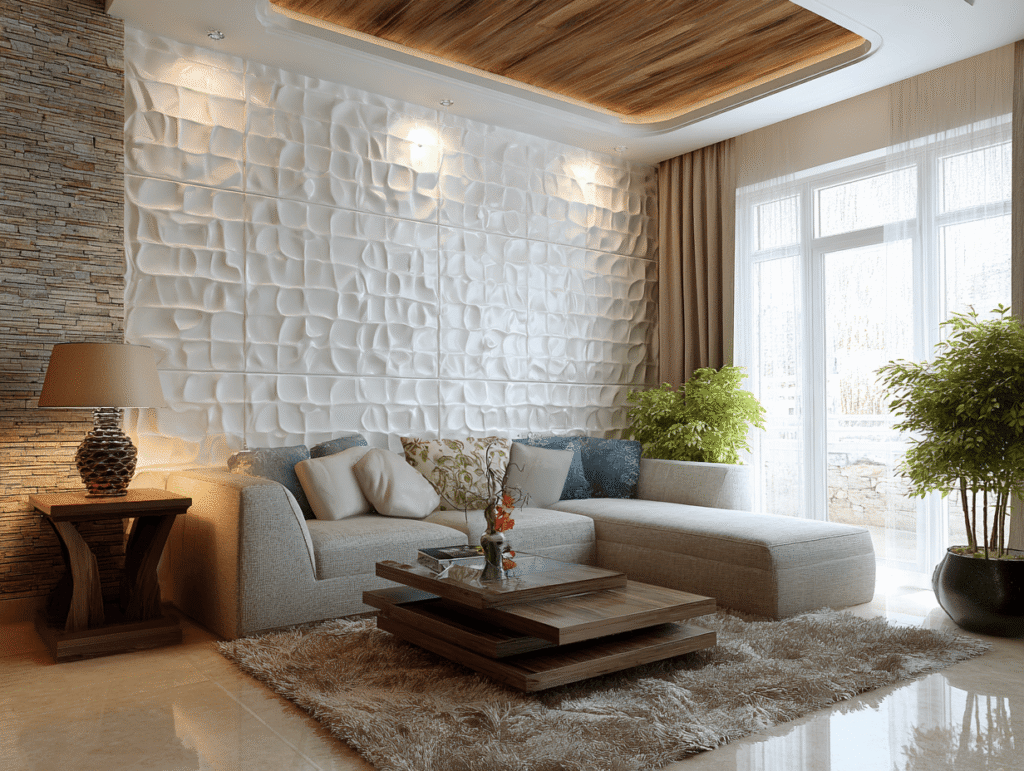
One of the biggest advantages of 3D panels is the endless design versatility they bring to any interior. In the Philippines, geometric patterns are especially popular for modern condos and offices, giving spaces a sleek and contemporary vibe. For those who prefer a softer, more inviting aesthetic, wave and floral designs are excellent choices. Minimalist panels with subtle textures are also trending, especially among urban dwellers who want elegance without clutter. Brick-like or stone-inspired designs add a rustic yet stylish touch, perfect for restaurants and cafes. Panels can also be customized, giving homeowners and designers the freedom to create unique looks. Pairing panels with well-placed lighting dramatically enhances the 3D effect, creating shadows and highlights that bring the design to life. This versatility makes 3D wall and ceiling panels a go-to option for anyone wanting to transform an ordinary space into something extraordinary.
Benefits of Using 3D Wall and Ceiling Panels in the Philippines
Choosing 3D panels for walls and ceilings brings both aesthetic and practical benefits. They instantly add a modern, stylish element to interiors, turning blank surfaces into eye-catching features. Beyond looks, these panels are lightweight and easy to install, which makes them an efficient choice for renovations or new builds. Maintenance is minimal since many materials are resistant to stains and easy to clean. Another advantage is their ability to improve acoustics, reducing noise levels and making rooms more comfortable. Some panels also provide thermal insulation, helping to regulate temperature in homes and offices. For budget-conscious homeowners, 3D panels offer long-term cost efficiency because they require less upkeep compared to traditional finishes. This combination of style and function makes them a practical investment for Filipinos looking to improve their living or working spaces.
Where 3D Wall and Ceiling Panels Are Commonly Used
In the Philippines, 3D panels are used across a wide range of residential and commercial spaces. Many homeowners install them in living rooms as a focal wall behind the television or sofa, creating a stylish centerpiece. Bedrooms benefit from 3D headboard walls, adding a sense of luxury and comfort. Dining areas and home offices are also transformed with these panels, turning plain walls into design highlights. In the commercial sector, restaurants and cafes use panels to create unique atmospheres that enhance customer experience. Hotels and spas incorporate them into lobbies and treatment rooms, giving clients a sense of sophistication and relaxation. Even office spaces are adopting 3D panels to project a professional yet modern image. Their flexibility allows them to enhance almost any environment, making them a versatile option for many types of interiors.
Installation and Maintenance Guide for 3D Wall and Ceiling Panels
Installing 3D panels can be a straightforward process when approached correctly. For do-it-yourself enthusiasts, PVC panels are typically the easiest to install, often requiring just adhesive and basic tools. Gypsum or MDF panels may need more expertise, so hiring professionals ensures a seamless finish. The installation process usually involves surface preparation, accurate measurements, cutting panels to fit, and applying adhesive or screws to secure them in place. Maintenance is equally manageable, as most panels only require occasional dusting or wiping with a damp cloth to maintain their appearance. Avoid using harsh chemicals, as these may damage the surface or finish. For high-moisture areas, like kitchens and bathrooms, PVC panels are preferred because they resist mold and water damage. With proper care, 3D panels can maintain their beauty and function for years, making them a low-maintenance solution for Filipino households and businesses.
Cost Considerations for 3D Wall and Ceiling Panels in the Philippines
The cost of 3D wall and ceiling panels in the Philippines varies depending on material, design complexity, and supplier. PVC panels are generally the most affordable, making them accessible to homeowners with tighter budgets. Gypsum and MDF panels may come at a higher price point due to their refined finish and design versatility. Plant fiber and bamboo-based options may also cost more but appeal to eco-conscious buyers who value sustainability. Another factor that affects pricing is whether the panels are locally manufactured or imported. Local suppliers often provide more affordable options, while imported designs may carry premium prices. Labor and installation fees should also be factored into the budget, especially for larger projects. By balancing quality with budget, Filipinos can find panels that enhance their space without overspending.
How to Choose the Right 3D Wall and Ceiling Panel Supplier in the Philippines
Finding a reliable supplier is key to ensuring quality results with 3D panels. A good supplier should offer a wide selection of designs, materials, and price ranges to meet different needs. Checking reviews, testimonials, and past projects can help determine credibility and product quality. It is also important to consider after-sales service, such as warranties or replacement policies, which ensure long-term satisfaction. Choosing a local supplier often provides advantages in affordability and faster delivery. Asking about customization options can also be beneficial for those who want unique designs tailored to their space. By partnering with a trusted supplier, homeowners and businesses can feel confident that they are making a worthwhile investment.
Eco-Friendly and Sustainable 3D Panel Options in the Philippines
With growing awareness of environmental sustainability, more Filipinos are turning to eco-friendly 3D panel options. Panels made from plant fibers and bamboo are renewable, biodegradable, and healthier for indoor environments. These sustainable options reduce carbon footprints while still offering durability and style. Many eco-conscious homeowners appreciate that these panels are non-toxic and free from harmful chemicals, making them safer for families. Architects and designers also value the unique textures and natural appeal that eco-friendly panels provide. By choosing these options, homeowners not only enhance their living spaces but also contribute to environmental protection. As demand grows, more suppliers in the Philippines are offering sustainable choices, making it easier to design stylish interiors with a conscience.
Future Trends of 3D Wall and Ceiling Panels in the Philippines
The future of 3D wall and ceiling panels in the Philippines looks promising as design trends continue to evolve. Advances in technology are making panels more customizable, with innovative patterns and finishes that cater to diverse tastes. Minimalist and nature-inspired designs are expected to remain popular, particularly for modern Filipino homes. Integration of smart lighting with 3D panels is also becoming a trend, enhancing ambiance and energy efficiency. Sustainable options are likely to dominate the market as more Filipinos prioritize eco-friendly living. Commercial spaces will continue to adopt bold and unique designs to attract customers and create memorable experiences. With growing accessibility and affordability, 3D wall and ceiling panels will remain a staple in the Philippine interior design landscape.
Frequently Asked Questions (FAQ)
1. What is the average cost of 3D wall and ceiling panels in the Philippines?
Prices vary depending on the material and supplier, but PVC panels are the most affordable option, while gypsum, MDF, and eco-friendly versions may cost more.
2. Can 3D panels be used in areas with high humidity, like kitchens or bathrooms?
Yes, but PVC panels are recommended for high-moisture areas because they are water-resistant and resistant to mold.
3. How long do 3D wall and ceiling panels last?
With proper installation and maintenance, panels can last for many years, often longer than traditional paint or wallpaper.
4. Are these panels safe for homes with kids and pets?
Most panels are safe, especially eco-friendly options made from plant fibers or bamboo. Always check for non-toxic certifications if safety is a top concern.
5. Can I install 3D panels by myself, or should I hire a professional?
DIY installation is possible for simpler materials like PVC, but professional installation is recommended for gypsum or MDF to ensure a polished result.
6. Do 3D panels come in customizable colors and designs?
Yes, many suppliers offer customization to match specific design preferences, allowing homeowners to create unique looks.
7. How do I maintain and clean 3D wall and ceiling panels?
Regular dusting and wiping with a damp cloth are usually enough. Avoid harsh chemicals to preserve the finish.