Diabetic foot problems can escalate quickly when minor skin damage is ignored. One of the most serious complications is a condition known as Diabetic foot ulcer, which often starts as a small wound but may progress into a deep infection if not treated properly. Understanding the difference between a medically guided Diabetic ulcer cure and commonly used home remedies helps prevent long-term complications and supports safer recovery choices.
Many individuals search for quick fixes at home, while others seek clinical care for proper wound management. This article compares both approaches and explains why professional treatment from Kalingap Wound Care Clinic is often the most reliable option for achieving a proper Diabetic ulcer cure.
What Is a Diabetic Ulcer?
A diabetic ulcer is an open sore that usually develops on the feet or pressure areas of individuals with diabetes. It forms due to a combination of poor circulation, nerve damage, and slow wound healing.
The condition often begins with unnoticed injuries such as small cuts, blisters, or pressure points from footwear. Without early intervention, these minor wounds can expand into deeper tissue damage. A proper Diabetic ulcer cure depends heavily on identifying the condition early and addressing underlying health issues like blood sugar imbalance and reduced blood flow.
Understanding Diabetic Ulcer Cure
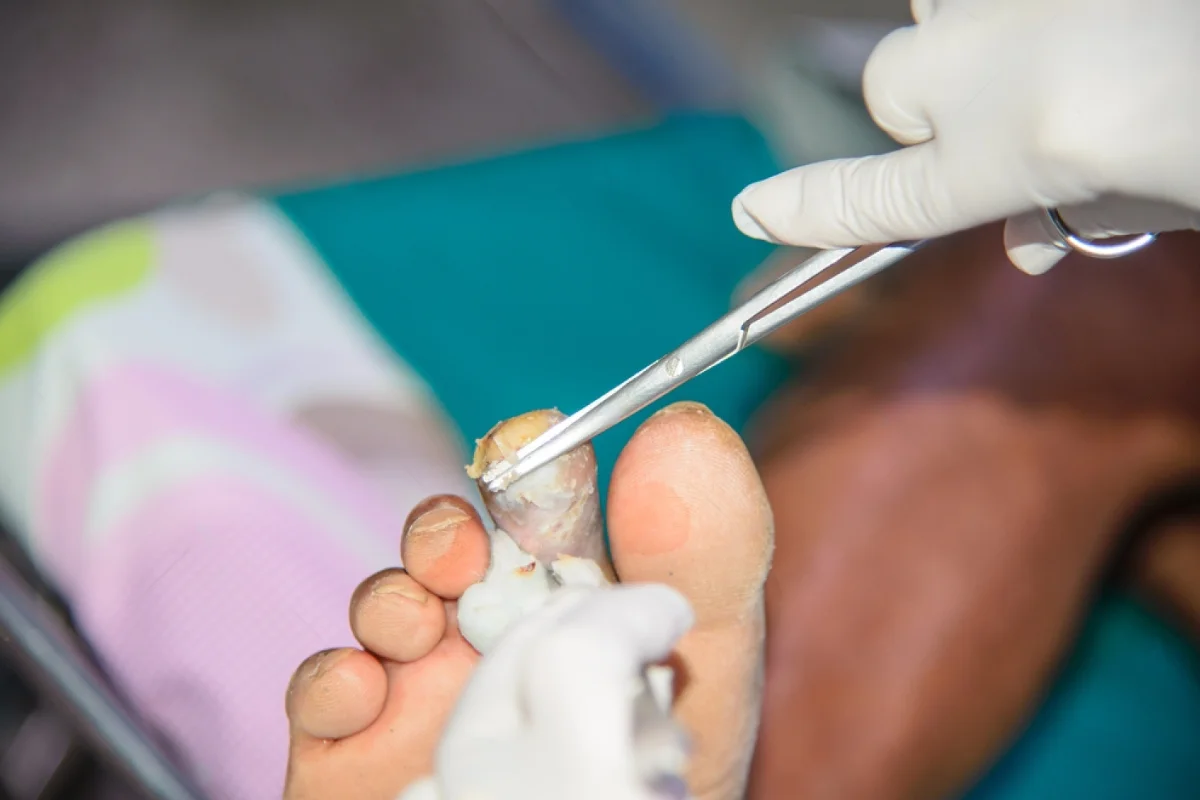
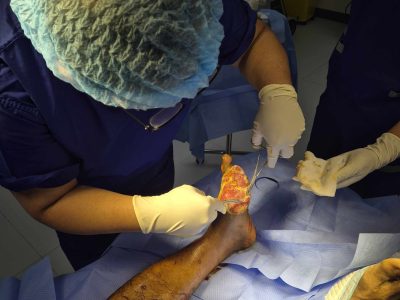
A medically supervised Diabetic ulcer cure focuses on more than just closing the wound. It involves a structured treatment plan that targets infection control, tissue recovery, and prevention of recurrence.
Key components of a professional Diabetic ulcer cure include:
- Careful wound cleaning and removal of dead tissue
- Infection management using appropriate medication
- Pressure relief to prevent further skin breakdown
- Regular monitoring of healing progress
- Blood sugar regulation support
Clinics like Kalingap Wound Care Clinic specialize in these methods, ensuring that patients receive consistent and safe care tailored to their condition.
Common Home Remedies for Diabetic Ulcers
Home remedies are often used as first responses before medical help is sought. These may include herbal applications, honey-based treatments, salt water cleansing, and traditional oils.
Some individuals also attempt foot soaking or topical mixtures believed to improve healing. While these practices are widely shared, they do not follow structured medical protocols for a Diabetic ulcer cure.
Although certain natural ingredients may provide temporary comfort, they do not address the root causes such as infection or poor circulation. This is where home remedies differ significantly from clinically guided care.
Effectiveness Comparison: Diabetic Ulcer Cure vs Home Remedies
A proper Diabetic ulcer cure achieved through medical care is generally more reliable than home-based methods. Clinical treatment is based on wound assessment, infection control, and healing progression monitoring.
Home remedies may offer surface-level relief but do not ensure deep tissue recovery. In contrast, professional care at Kalingap Wound Care Clinic focuses on long-term healing outcomes.
Key differences include:
- Medical care provides targeted infection control
- Home remedies lack standardized dosage or application methods
- Clinical treatment supports faster and safer healing
- Home methods may delay proper diagnosis
For a complete Diabetic ulcer cure, medical supervision remains essential.
Risks of Relying Only on Home Remedies
Depending solely on home remedies can lead to serious complications. Without proper medical attention, the wound may worsen over time.
Possible risks include:
- Infection spreading to deeper tissues
- Increased pain and swelling
- Delayed wound healing
- Tissue death in severe cases
- Higher risk of hospitalization or amputation
These risks highlight why a structured Diabetic ulcer cure from professionals such as Kalingap Wound Care Clinic is strongly recommended.
When to Seek Professional Treatment
Immediate medical attention is necessary when symptoms worsen or do not improve. Warning signs include persistent redness, foul odor, pus discharge, or increasing wound size.
Individuals with diabetes should not wait for symptoms to escalate before seeking a proper Diabetic ulcer cure. Early intervention significantly improves recovery outcomes and reduces complications.
Medical Approaches for Diabetic Ulcer Cure
A professional Diabetic ulcer cure involves multiple treatment strategies that work together to promote healing.
Common medical approaches include:
- Advanced wound cleaning techniques
- Prescription antibiotics for infection control
- Specialized dressings to maintain a healing environment
- Offloading devices to reduce pressure on affected areas
- Continuous blood sugar monitoring support
At Kalingap Wound Care Clinic, treatment plans are customized based on wound severity and patient health conditions, ensuring a structured path toward recovery.
Prevention Strategies for Diabetic Ulcers
Preventing ulcers is just as important as treating them. A successful Diabetic ulcer cure is more sustainable when combined with preventive care.
Key prevention strategies include:
- Daily foot inspection for cuts or blisters
- Wearing properly fitted footwear
- Maintaining stable blood sugar levels
- Keeping feet clean and moisturized
- Avoiding prolonged pressure on one area
These habits reduce the likelihood of recurring ulcers and support long-term foot health.
Expert Care and Treatment Options
Specialized wound care centers play an important role in achieving a reliable Diabetic ulcer cure. Facilities like Kalingap Wound Care Clinic provide structured treatment programs that combine medical expertise with modern wound care technology.
Patients benefit from continuous monitoring, personalized care plans, and coordinated treatment strategies designed to promote faster recovery and reduce complications.
Takeaway
Choosing between home remedies and professional treatment has a major impact on recovery outcomes. While home methods may seem convenient, they do not provide a complete solution for a Diabetic ulcer cure. Medical care remains the safest and most effective approach, especially when handled by specialists such as Kalingap Wound Care Clinic, which focuses on structured wound management and long-term healing success.
Frequently Asked Questions
Q1: Can diabetic ulcers heal without medical treatment?
Some minor wounds may improve, but most diabetic ulcers require medical care for a proper Diabetic ulcer cure to avoid complications.
Q2: Are home remedies safe for diabetic ulcers?
Home remedies may provide temporary relief, but they are not reliable for full healing and should not replace professional care.
Q3: How long does a diabetic ulcer cure take?
Healing time varies depending on severity, but consistent medical treatment from Kalingap Wound Care Clinic can significantly improve recovery speed.
Q4: What is the fastest way to treat a diabetic ulcer?
Early medical intervention combined with proper wound care is the most effective approach for a Diabetic ulcer cure.
Q5: Can diabetic ulcers return after healing?
Yes, recurrence is possible without proper prevention habits and ongoing foot care.