What You Need to Know About Anal Tears and Their Effects
Anal tears, also called fissures, are small breaks in the delicate lining of the anus that can cause intense discomfort and concern. Although the injury itself may appear minor, the pain associated with it can be surprisingly severe and persistent. Many individuals in busy cities like Manila often overlook early symptoms due to demanding routines and limited time for self-care. However, delaying treatment can lead to chronic issues that become more difficult to manage. Seeking professional care for Anal Tear Repair in Manila is essential to prevent complications and restore normal daily function. These tears can interfere with simple activities such as sitting, walking, or even sleeping comfortably. Understanding the condition and acting early can make a significant difference in both recovery time and overall well-being.
Why Anal Tears Develop: Common Triggers and Risk Factors
Anal tears are usually caused by excessive strain or irritation in the anal canal. One of the leading causes is constipation, which results in hard stools that stretch and damage the tissue during bowel movements. On the other hand, frequent diarrhea can also irritate the area, making it prone to tearing. In Manila, lifestyle factors such as fast food consumption, low fiber intake, and dehydration often contribute to these digestive problems. Women may also develop fissures after childbirth due to physical stress. Individuals who delay bowel movements or strain excessively are at higher risk as well. Recognizing these triggers is crucial for those considering Anal Tear Repair in Manila, as prevention begins with understanding the root cause.
Some of the most common risk factors include:
- Diets low in fiber and high in processed foods
- Inadequate hydration throughout the day
- Sedentary lifestyle with limited physical activity
- Ignoring the natural urge to have a bowel movement
- Digestive conditions that affect stool consistency
By addressing these factors, patients can significantly reduce the chances of developing anal tears.
Signs and Symptoms That Indicate a Problem
The symptoms of anal tears are often clear and difficult to ignore. Pain during bowel movements is the most common complaint, often described as sharp or burning. This pain may persist for minutes or even hours afterward. Bright red bleeding is another key sign, typically noticed on toilet paper. Some individuals also experience itching or irritation around the anal area. In more severe cases, muscle spasms can occur, adding to the discomfort. People may begin to avoid bowel movements due to fear of pain, which can worsen constipation. Recognizing these symptoms early and seeking Anal Tear Repair in Manila can prevent the condition from progressing further.
Other noticeable symptoms include:
- Visible cracks or splits in the skin
- Ongoing discomfort when sitting
- Repeated episodes of minor bleeding
- Tenderness in the affected area
- Increased sensitivity during daily activities
Prompt attention to these signs allows for quicker and more effective treatment.
How Doctors Diagnose Anal Tears in Manila
Diagnosing an anal tear is usually a straightforward process handled by a colorectal specialist. The doctor will begin by discussing the patient’s symptoms, medical history, and bowel habits. This helps identify possible contributing factors such as diet or underlying conditions. A gentle physical examination is then performed to confirm the presence of a fissure. Most cases do not require advanced testing unless the tear is severe or recurring. Clinics that specialize in Anal Tear Repair in Manila prioritize patient comfort during diagnosis. Early and accurate identification ensures that the most appropriate treatment plan is chosen, improving the chances of a smooth recovery.
Non-Surgical Treatments That Promote Natural Healing
Many patients find relief through non-surgical treatments, especially when the condition is addressed early. These methods aim to reduce pain, relax the anal muscles, and encourage natural healing. Dietary improvements are often the first step, focusing on increasing fiber intake to soften stools. Drinking plenty of water also helps maintain proper digestion. Doctors may prescribe medicated creams to reduce inflammation and improve blood flow. Sitz baths are commonly recommended to soothe the area and reduce discomfort.
Effective non-surgical treatments include:
- Consuming fiber-rich foods such as vegetables, fruits, and whole grains
- Staying hydrated to prevent hard stools
- Using prescribed topical medications
- Taking stool softeners when needed
- Practicing gentle and regular bowel habits
These approaches are widely used in Anal Tear Repair in Manila and can be highly effective for mild to moderate cases.
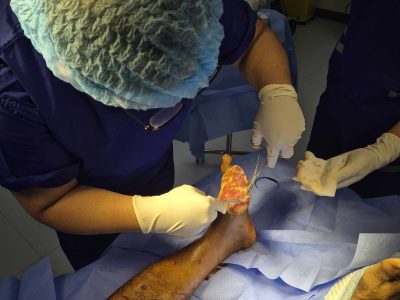
When Surgery Becomes Necessary for Anal Tear Repair
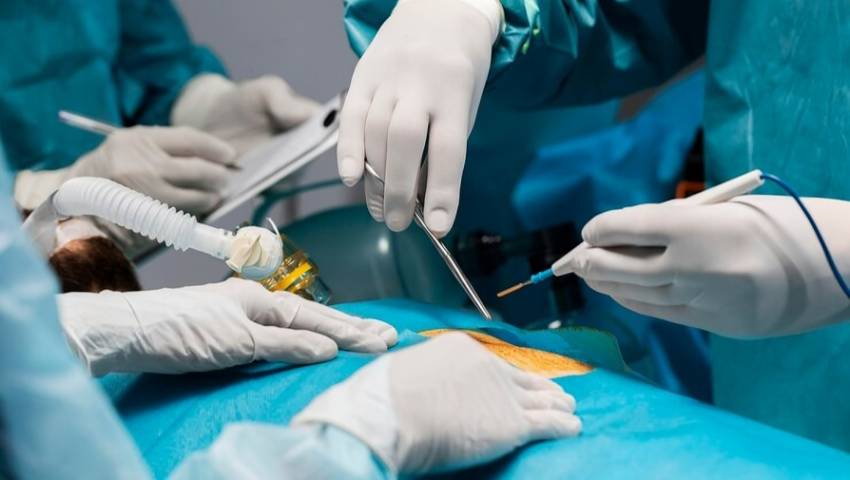
If non-surgical treatments fail to provide relief, surgery may be recommended. Chronic anal tears often require procedures that address the underlying muscle tension preventing healing. One of the most common surgeries is lateral internal sphincterotomy, which reduces pressure in the anal canal. Another option is fissurectomy, where damaged tissue is removed to allow new tissue to form. Modern surgical techniques in Manila are designed to minimize discomfort and speed up recovery. Patients who undergo Anal Tear Repair in Manila through surgery often experience long-term relief from symptoms. Proper aftercare is essential to ensure successful healing and avoid complications.
Healthcare Facilities in Manila Offering Specialized Care
Manila is home to numerous healthcare facilities that provide specialized treatment for anal tears. These include both public hospitals and private clinics equipped with modern medical technology. Many of these facilities employ experienced colorectal surgeons who focus on patient-centered care. Privacy and comfort are prioritized, ensuring a positive experience for patients. Outpatient procedures are often available, allowing individuals to recover at home. Accessibility and quality care make Manila a reliable destination for treatment. Choosing the right facility for Anal Tear Repair in Manila plays a significant role in achieving successful outcomes.
Understanding the Costs of Treatment
The cost of treating anal tears in Manila varies depending on the type of care required. Non-surgical treatments are generally more affordable and involve consultation fees and medications. Surgical procedures are more expensive due to hospital charges and professional fees. Public healthcare facilities may offer lower-cost options, while private clinics provide more personalized services. Insurance coverage can help reduce expenses for eligible patients. Planning ahead allows individuals to manage the financial aspect of Anal Tear Repair in Manila more effectively.
Recovery and Healing: What to Expect
Recovery from anal tear treatment depends on the severity of the condition and the chosen method of care. Non-surgical treatments typically result in healing within a few weeks when combined with proper lifestyle changes. Surgical recovery may take longer, but many patients notice immediate relief from severe pain. Pain management is an important part of the healing process, with medications provided as needed. Maintaining a healthy diet and avoiding strain during bowel movements are essential for recovery. Regular follow-up visits help ensure that healing is progressing as expected. Clinics offering Anal Tear Repair in Manila guide patients through each stage of recovery for the best results.
Preventing Anal Tears from Returning
Preventing recurrence involves adopting long-term healthy habits that support digestive health. A balanced diet rich in fiber helps maintain smooth bowel movements. Drinking enough water ensures that stools remain soft and easy to pass. Regular exercise improves digestion and overall well-being. Avoiding prolonged sitting on the toilet reduces pressure on the anal area. Stress management also plays a role in maintaining digestive balance. Patients who follow these preventive measures after Anal Tear Repair in Manila are less likely to experience recurring issues.
When Immediate Medical Care Is Necessary
Certain symptoms require urgent medical attention to prevent complications. Persistent bleeding, severe pain, or signs of infection should not be ignored. If symptoms worsen despite treatment, further evaluation is necessary. Recurring anal tears may indicate an underlying condition that needs specialized care. Seeking prompt help ensures better outcomes and faster recovery. Clinics providing Anal Tear Repair in Manila are equipped to handle both routine and urgent cases effectively.
Choosing a Qualified Specialist in Manila
Selecting the right specialist is a key step in achieving successful treatment. Patients should look for board-certified colorectal surgeons with experience in treating anal fissures. Reviews and recommendations can help identify reputable providers. Accessibility and communication are also important factors to consider. A skilled specialist will provide clear explanations and personalized care plans. Trusted professionals offering Anal Tear Repair in Manila prioritize patient safety and comfort throughout the treatment process.
Clearing Up Misunderstandings About Anal Tears
There are several misconceptions about anal tears that can delay proper treatment. Some people believe that all fissures heal without medical intervention, which is not always the case. Others assume that surgery is the only solution, even though many cases respond well to non-surgical care. Understanding the facts helps patients make informed decisions. Education is essential for reducing fear and encouraging timely treatment. Accurate information leads to better outcomes and improved confidence in seeking care.
How Anal Tears Affect Daily Life and Emotional Health
Anal tears can significantly impact both physical comfort and emotional well-being. Persistent pain can interfere with daily activities such as sitting, working, and exercising. Anxiety about bowel movements may develop, leading to avoidance and worsening symptoms. Social interactions may also be affected due to discomfort. Seeking timely treatment helps restore normal routines and improve quality of life. Patients who undergo Anal Tear Repair in Manila often experience relief not only physically but also emotionally.
Advancements in Treatment and Patient Care
Medical advancements have greatly improved the treatment of anal tears in recent years. Minimally invasive procedures reduce recovery time and discomfort. Improved diagnostic techniques allow for more accurate and efficient evaluations. Pain management strategies have also become more effective. Healthcare providers in Manila continue to adopt modern approaches to enhance patient care. These innovations make Anal Tear Repair in Manila more accessible and successful for a wide range of patients.
Frequently Asked Questions
What is the main cause of anal tears?
The primary cause is passing hard stools due to constipation, which leads to strain and tearing.
Can anal tears heal on their own?
Some mild cases may heal with proper care, but others require medical treatment.
Is surgery always required?
No, most cases can be treated with non-surgical methods.
How long does recovery take?
Recovery time varies but typically ranges from a few weeks to a couple of months.
Are treatments in Manila reliable?
Yes, Manila offers experienced specialists and modern healthcare facilities.
What can I do to prevent recurrence?
Maintaining a high-fiber diet, staying hydrated, and avoiding strain are key preventive measures.
Takeaway
Addressing anal tears early and choosing the right treatment approach can significantly improve comfort and quality of life. With a range of medical options and experienced specialists available, Anal Tear Repair in Manila provides effective solutions for both mild and chronic conditions. Long-term lifestyle changes play a crucial role in preventing recurrence and maintaining digestive health.